
2026 BEST WHITETAIL FOOD PLOT MIX
Owen Brick
7/15/202614 min read
Nothing compares to the influence of a quality food plot program when it comes to building better whitetail habitat and better hunting opportunity. But understanding what to plant is where most people get it wrong.
There are two things that determine everything in a food plot program: quality and unpressured. This article focuses on the quality side of that equation. I am going to break down what I trust, what I recommend planting, and why these specific blends work. Punching a tag in the fall starts now with quality fall food plot plantings.
It is important to start by saying that every season, the blends I trust for myself and my clients evolve slightly. The exact varieties, ratios, and rates are always being adjusted through field trials, client results, and new ideas. But the main concept does not change.
A valuable whitetail food plot needs to provide nutrient-dense, attractive, high-volume forage throughout the entire hunting season. The following is what I trust and recommend planting for the 2026 whitetail hunting season.
Greens
If you read my article for the best food plot mix of 2025, you may have noticed I also started that article by making note of the importance of greens and diversity. That has not changed.
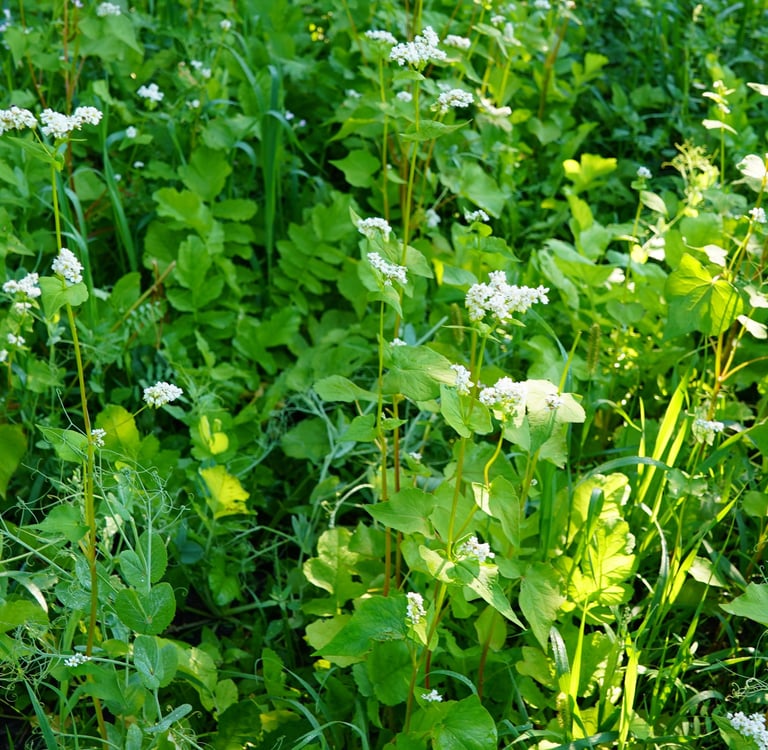
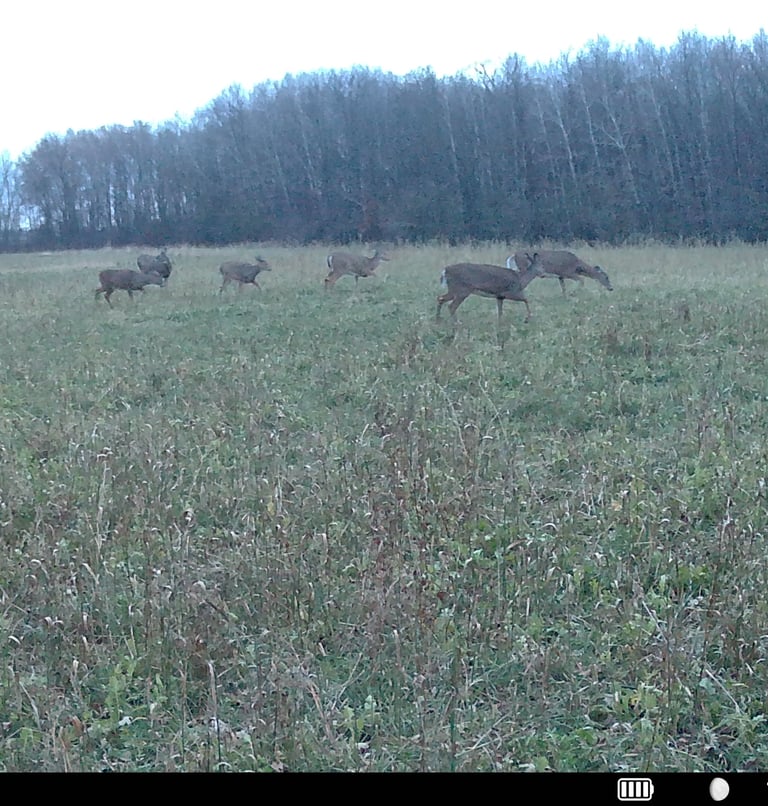
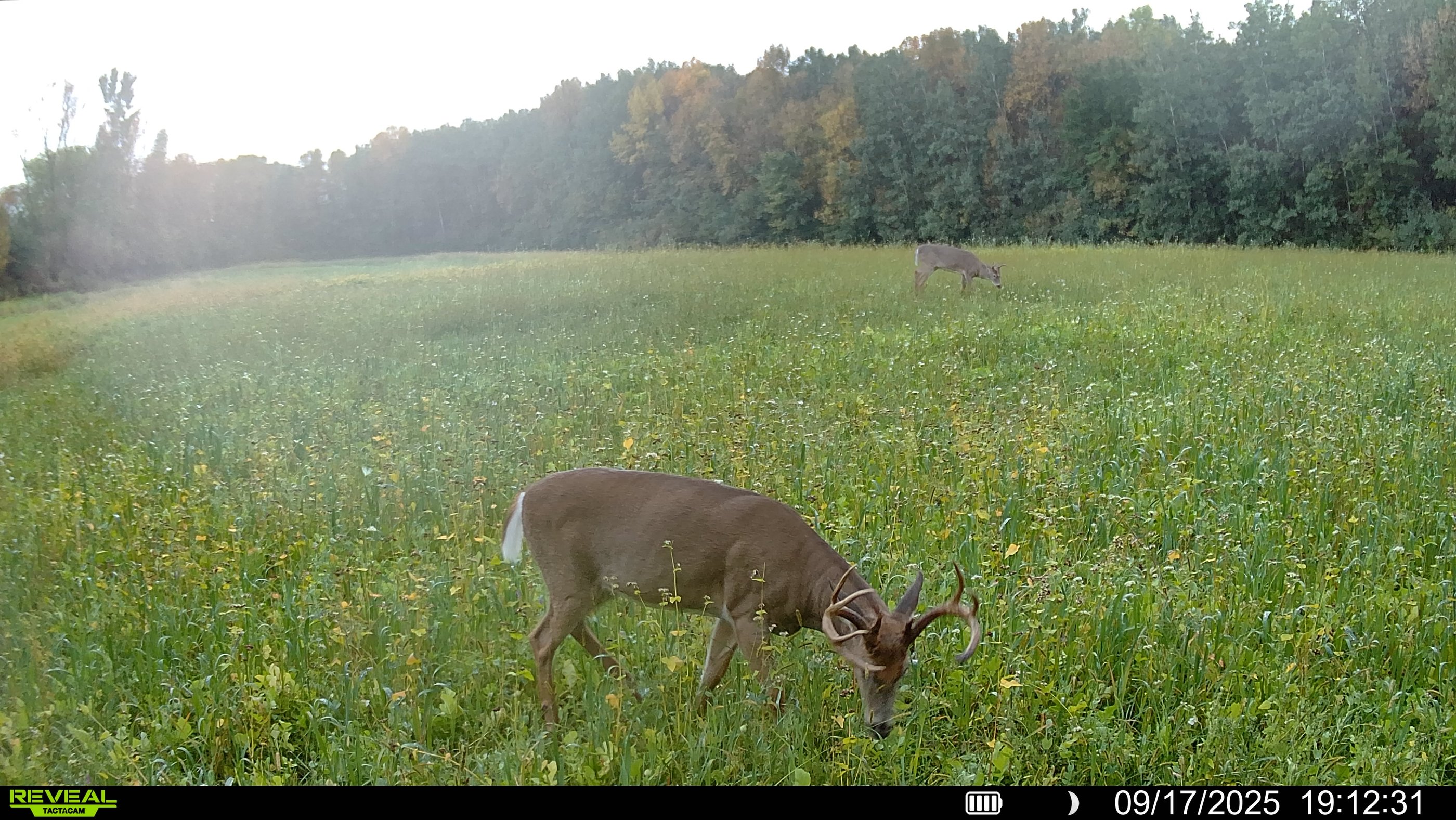
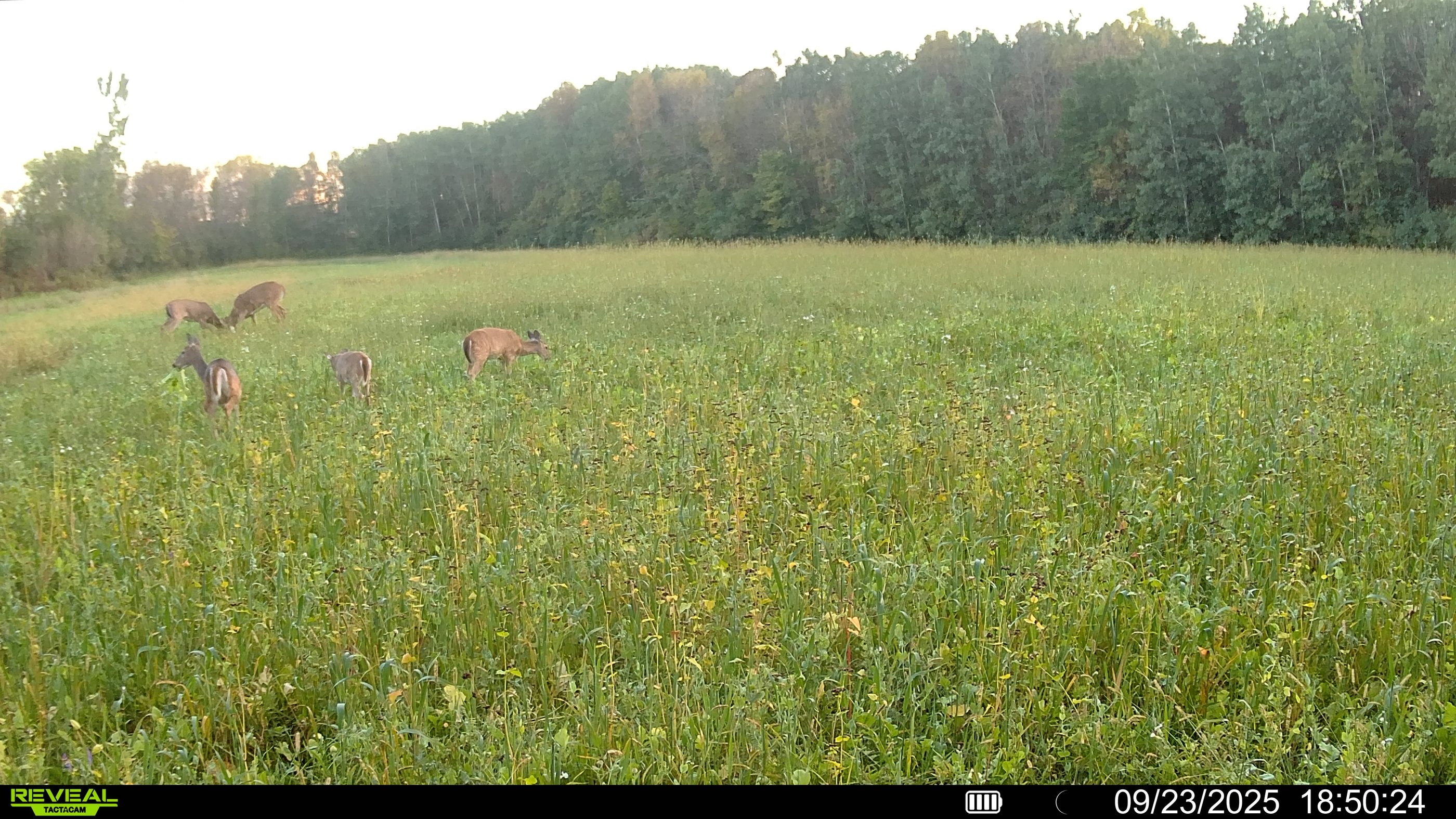
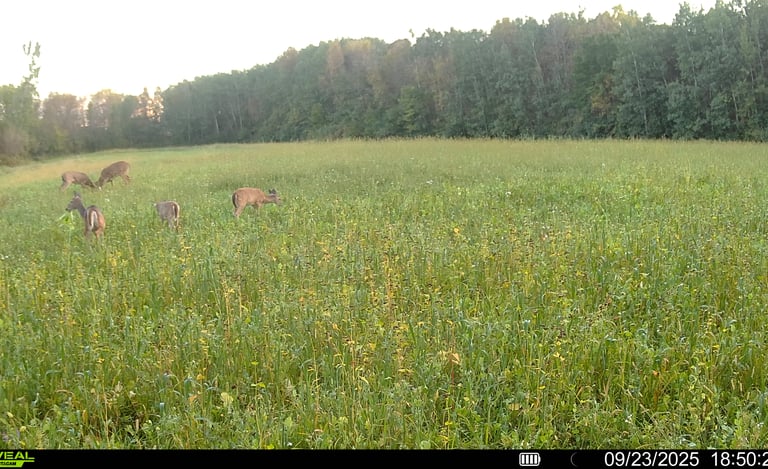
A quality food plot starts with a solid foundation of fall green food sources that last throughout the entire hunting season. For most properties, green food plots should make up the base of the food plot program. Deer will seek out the highest quality green food source of the moment, and when that food source is implemented correctly, it creates a powerful draw.
Why green?
Whitetails feed five times throughout a 24-hour period. The first two feedings happen in and around bedding areas, where deer browse on woody vegetation. But the feeding that happens near the final hour of daylight is the one habitat managers must focus on the most.
That feeding is when deer are actively seeking out moisture-rich, nutrient-dense greens. Consider it this way: they have been consuming woody browse throughout the day, and by evening they are looking for a high-quality green food source to wash it all down. Give them that, leave it unpressured, and you have something of great value.
For more on deer feeding frequency and behavior, check out this article.
Diversity
Along with the importance of greens comes the importance of diversity.
There is never a time where one cookie-cutter solution applies to every habitat type, region, soil type, or land manager. However, there are general concepts that apply in most cases. One of those concepts is combining a highly attractive green blend on one half of the plot with a high-volume brassica blend on the other half - this is the ½ & ½ structure method.
When this is done correctly, it creates attraction, volume, and nutrition throughout the entire hunting season. It also helps your plot stay valuable from late August all the way through the end of the season.
The ½ & ½ concept is simple.
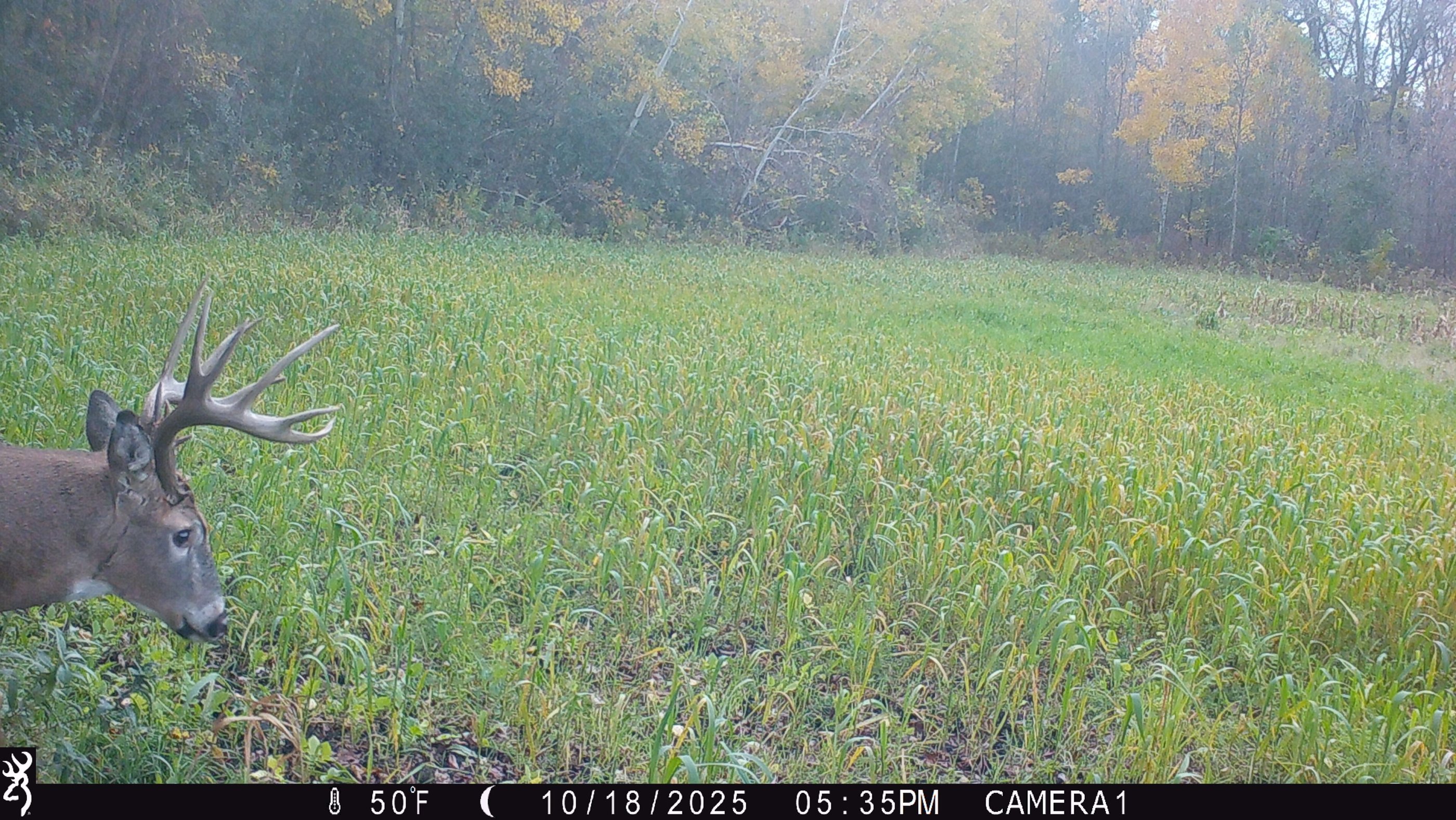
On one half of the plot, a diverse, highly attractive green blend is planted for early season attraction and continued value into the later half of the season. This green blend is made up of “candy crops” - highly attractive, palatable forages that pull deer in from late summer through mid-fall. Deer establish use of the plot early, while the other half of the plot is allowed to take less browse pressure and build significant volume.
The other half of the plot is planted in a brassica blend. As the green blend begins to diminish slightly in nutritional value later in the fall, deer will naturally shift over to the brassica half, which will be peaking in both value and nutrition right when deer need it most.
That timed transition is what allows your plot to provide season-long value.
It is also important to consider that each plot should contain the ½ & ½ structure if the plot is large enough. Do not plant one blend in one plot and the other blend in a completely different plot unless you have a specific reason to do so.
Making that mistake can cause deer, especially doe family groups, to shift to the side of the property where the best food source is peaking at that point in the season. Doe family groups are territorial and prefer to feed at the same food source every evening before dark if they are allowed to. Separating your food plot types throughout the property can create inconsistent doe bedding, increased social pressure, and unnecessary movement changes.
Needless to say, plant both blends in the same plot when possible, typically separated in half.
Important Note
Your specific property matters.
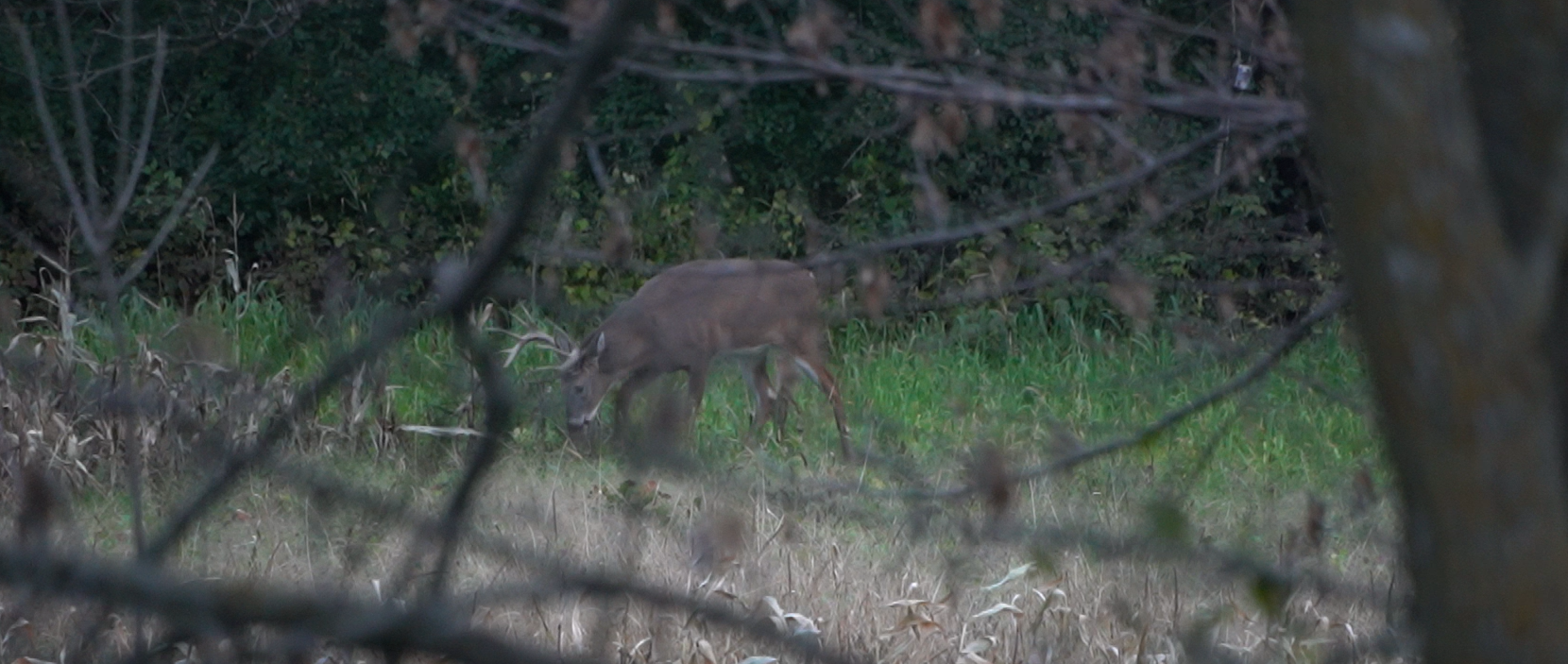
In areas with lower deer density and little to no agriculture, often called a “big woods” setting, deer will usually hammer whatever food source is available at the moment. In those situations, the blend should be tailored more toward volume than pure attraction.
On the contrary, in a “big ag” setting, where roughly 10% of the area’s land is available cover, attraction becomes more important than volume. Deer already have food everywhere, so you are competing for their attention. In that case, your food plot needs to be highly attractive and placed correctly.
There is a lot more that goes into blend specifics based on the area, but that will be saved for a future article.
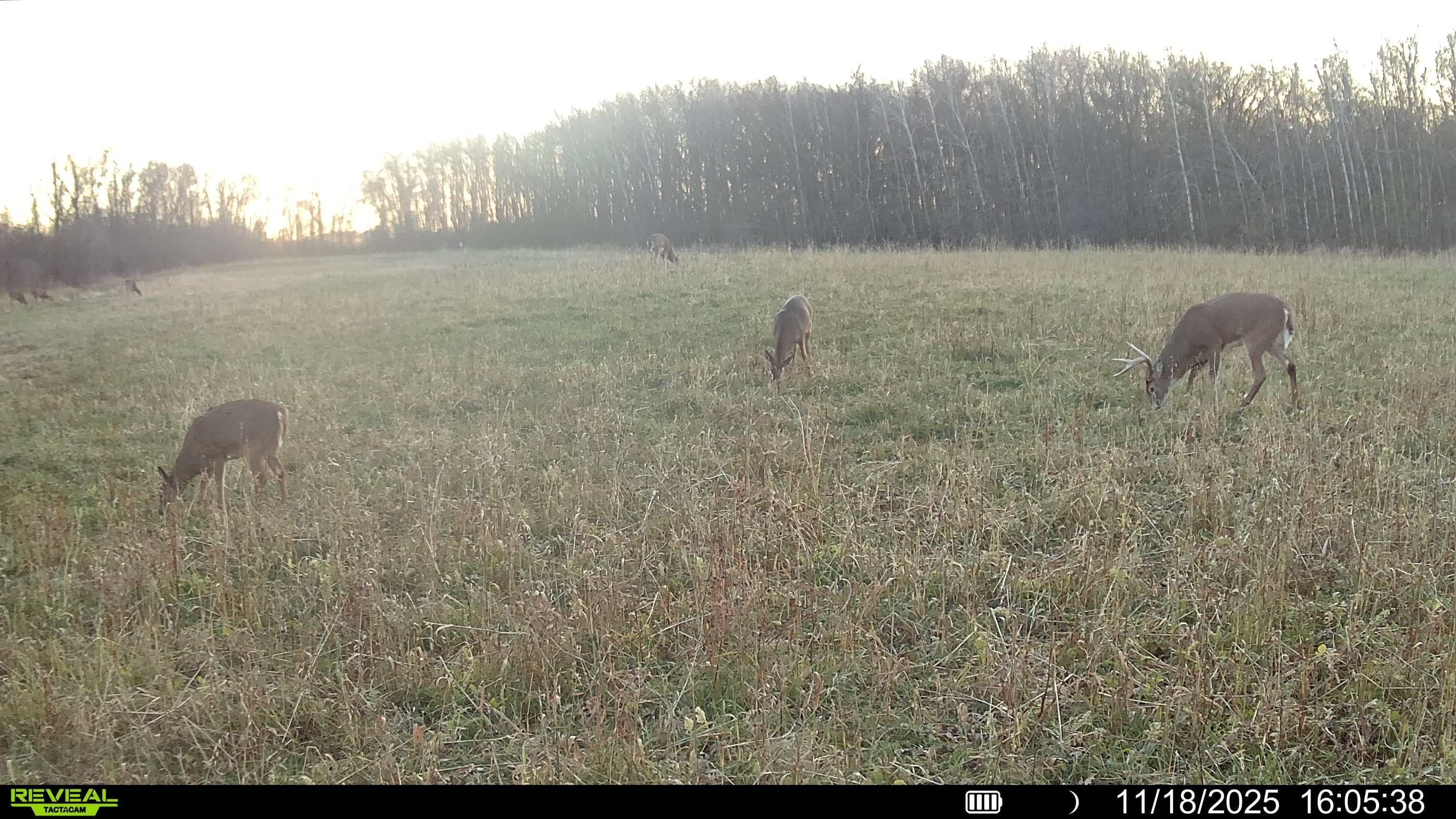
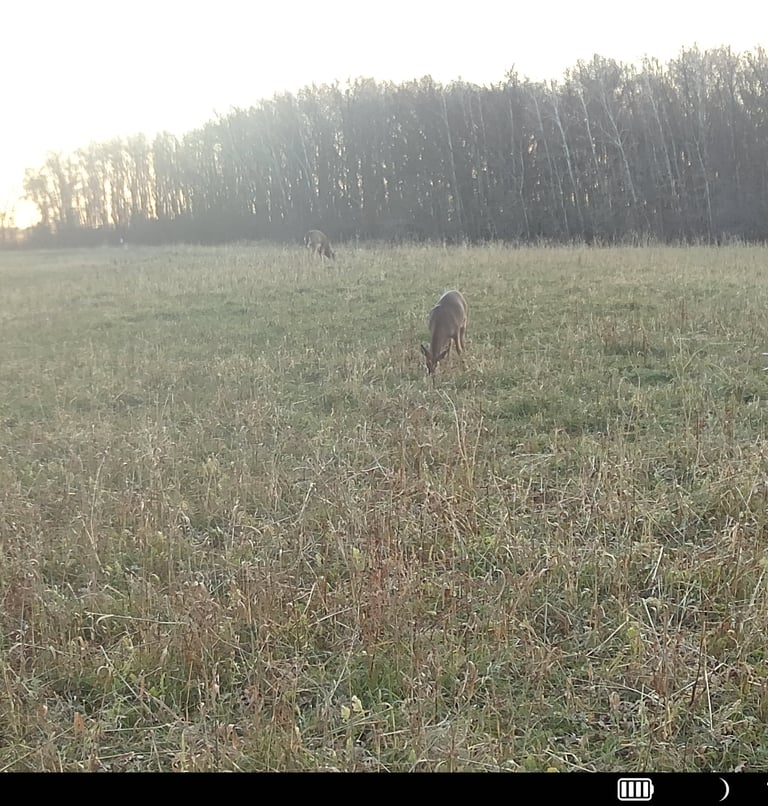
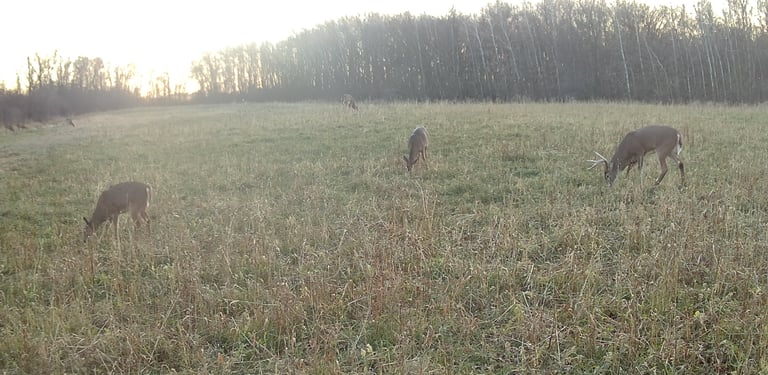
2026 Best Whitetail Food Plot Mix
The best whitetail food plot mix for 2026 is built on strategy.
It continues to evolve slightly every year as I improve the blends, tweak ratios, and try new ideas. It is designed to be highly attractive, provide tremendous tonnage, adapt to different soil types, and work with a range of planting methods. Every seed in this blend has a purpose.
With that being said, there is not a single solution that works everywhere. As mentioned above, adjustments need to be made based on your specific habitat, herd, soil, planting method, budget, and goals.
So keep that in mind the next time someone insists you have to plant one specific thing to be successful. Your food plot program should be tailored to your property. That is part of what makes this 2026 mix valuable: it is customizable, proven, and practical.
Green Blend
A blend of highly attractive plants should be used for one half of the plot. The green blend side features “candy crops” - highly attractive, palatable forages that draw deer in from the early season through mid-fall.
This should be planted late July to early August in the northern half of the country and late August to early September in the southern half.
Here is exactly what to add to the mix so you can build it yourself. Keep in mind that the seeding rates listed are general guides. Planting method, soil type, equipment, deer density, and browse pressure will all affect the amount of seed necessary and the correct ratios.
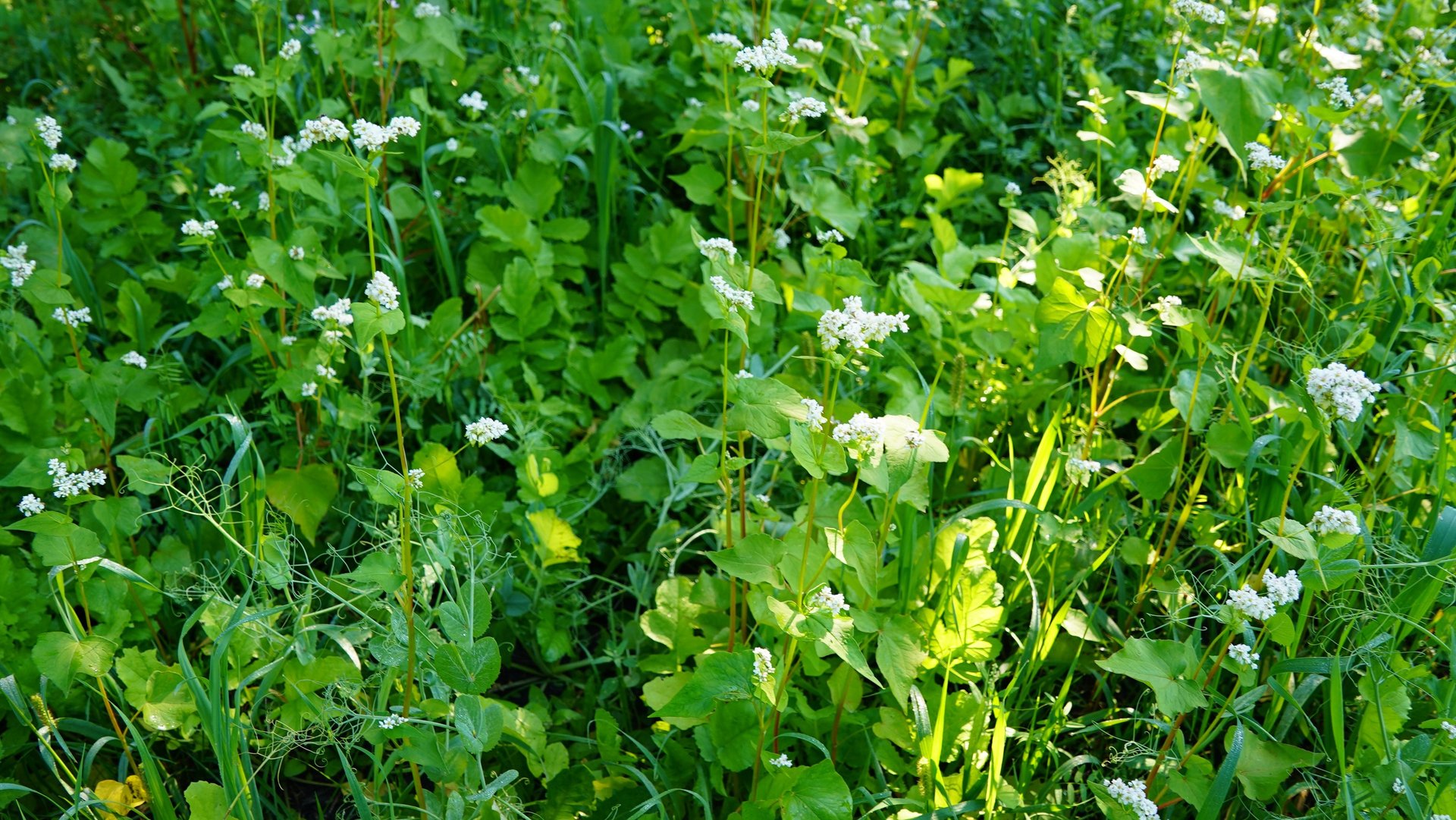
Peas
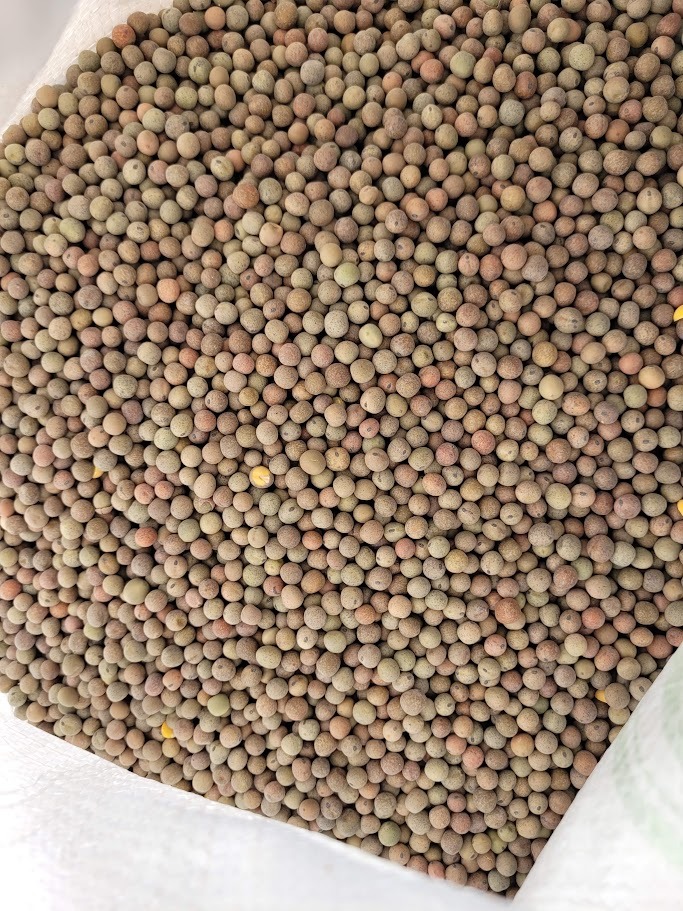
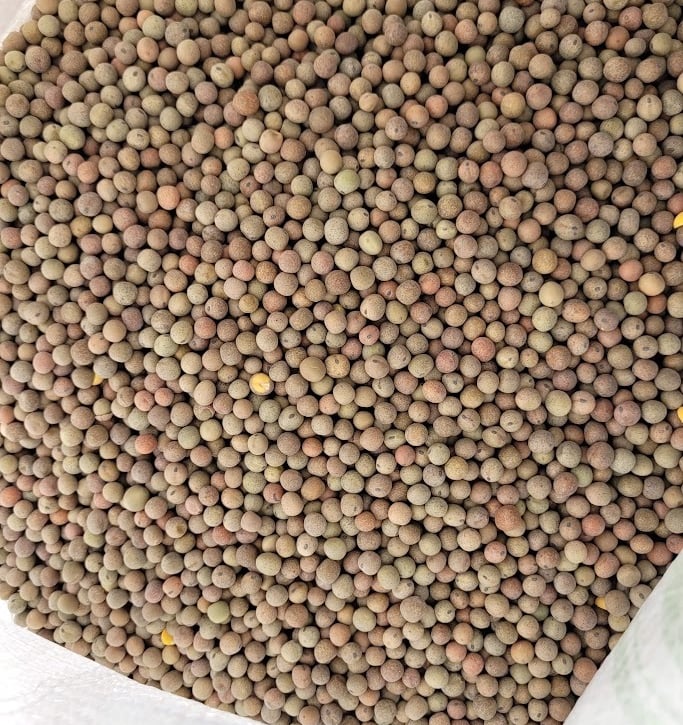
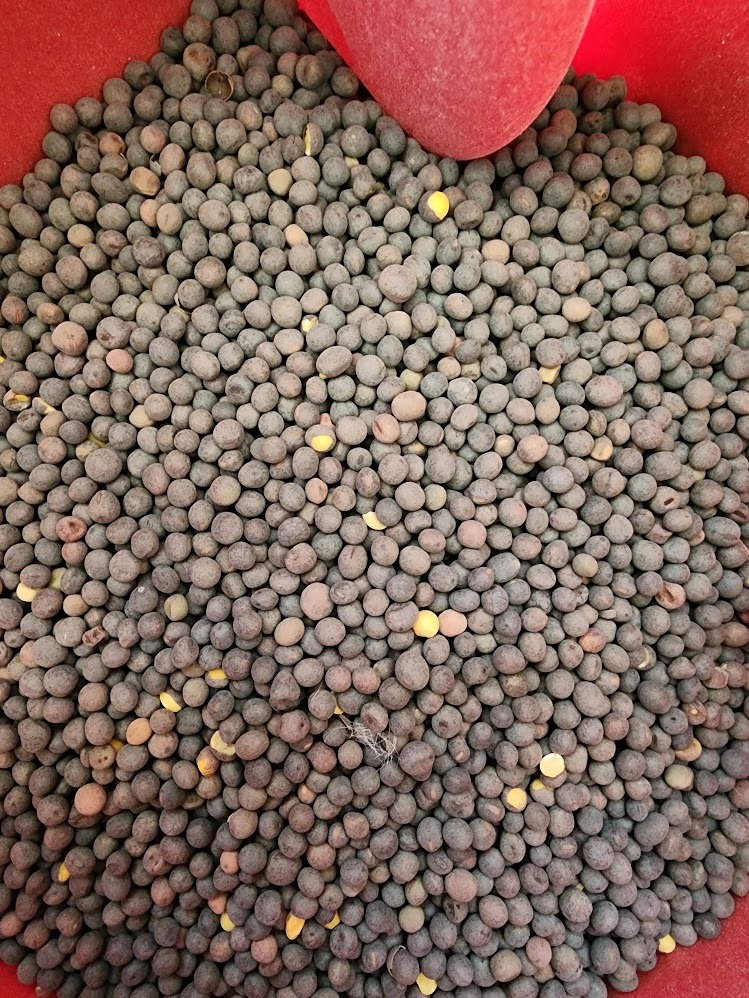
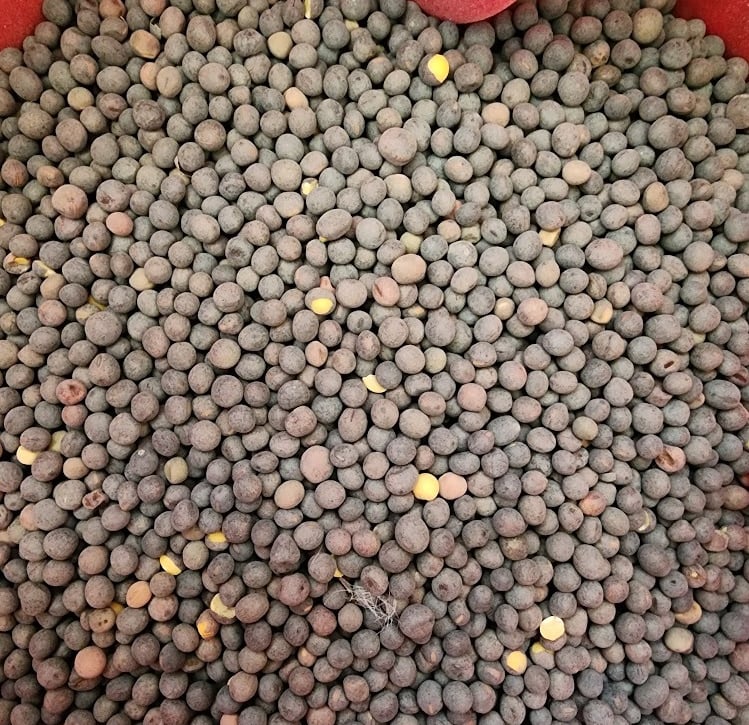
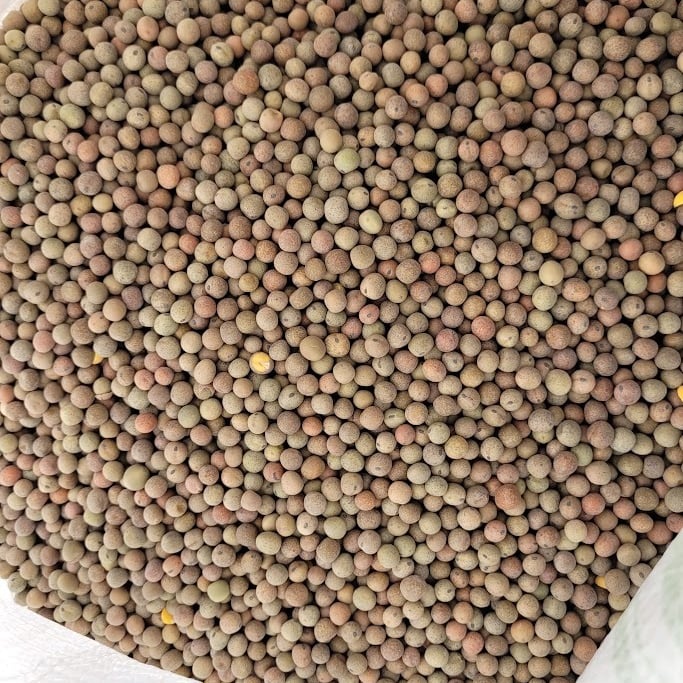
Austrian winter peas or tundra peas are best for producing volume with good frost tolerance. Peas are highly attractive during the early to mid-season and are one of the best candy crops to include in a green blend. Deer love them, they establish quickly, and they add a lot of attraction to the mix.
Peas should be planted at roughly 40+ lbs/acre in a mix.
Winter Oats
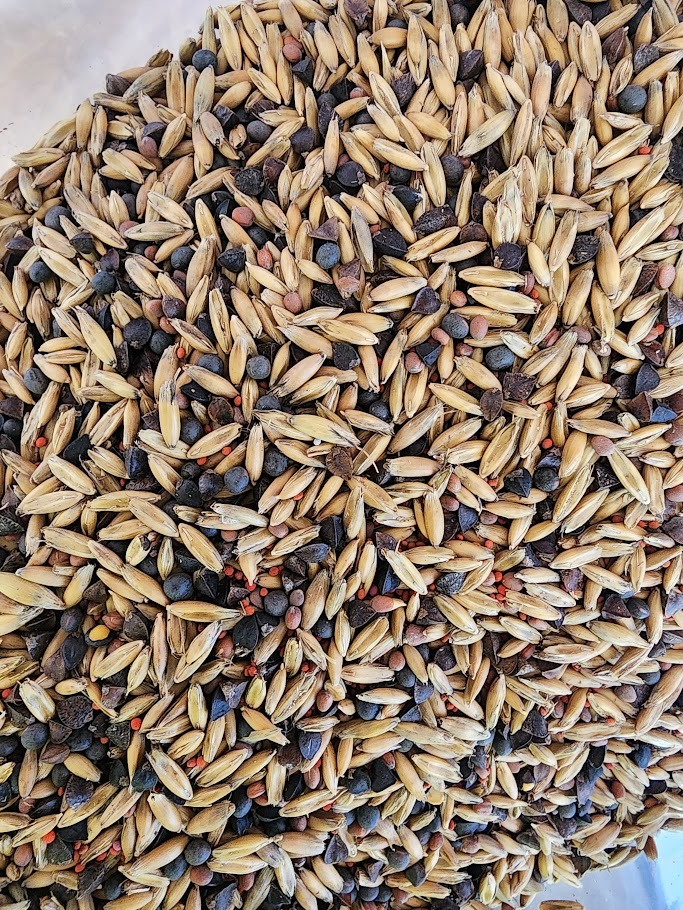
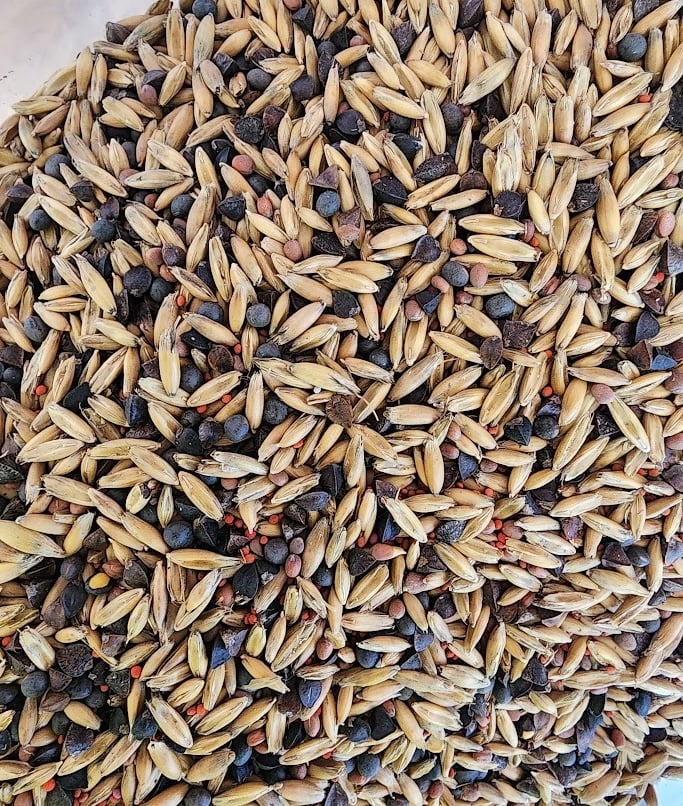
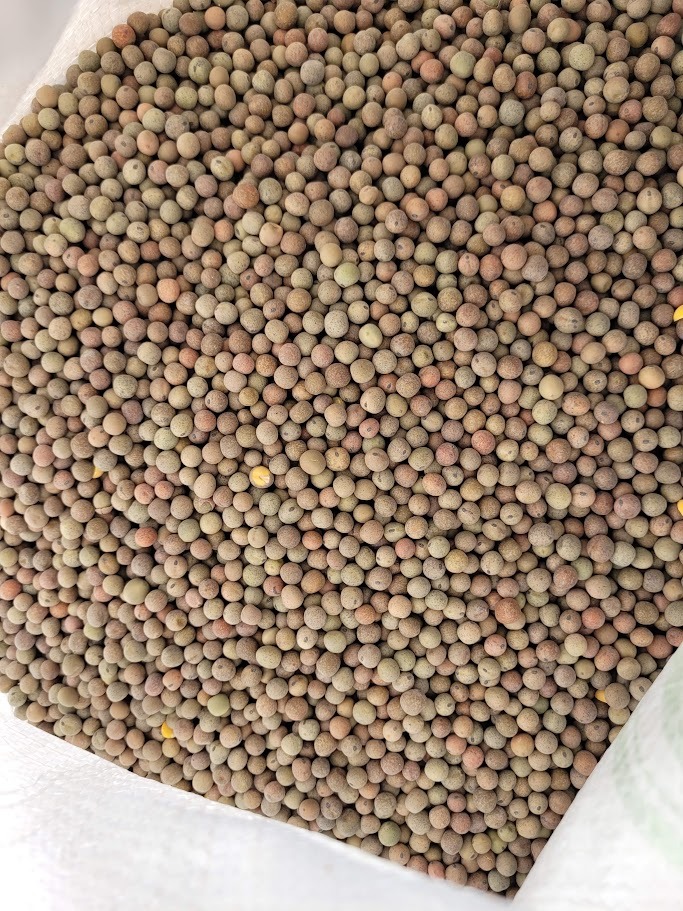
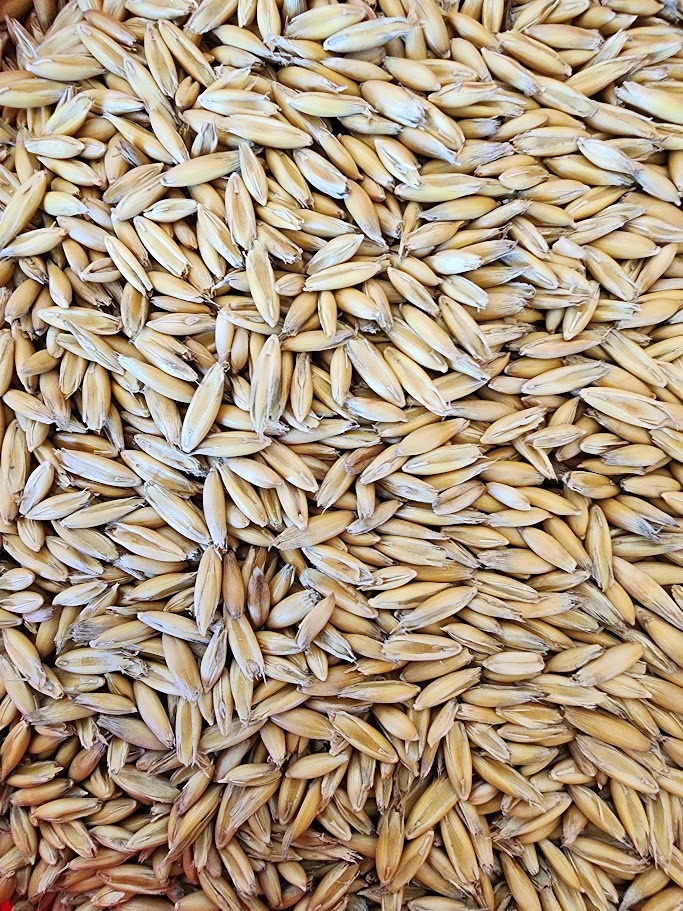
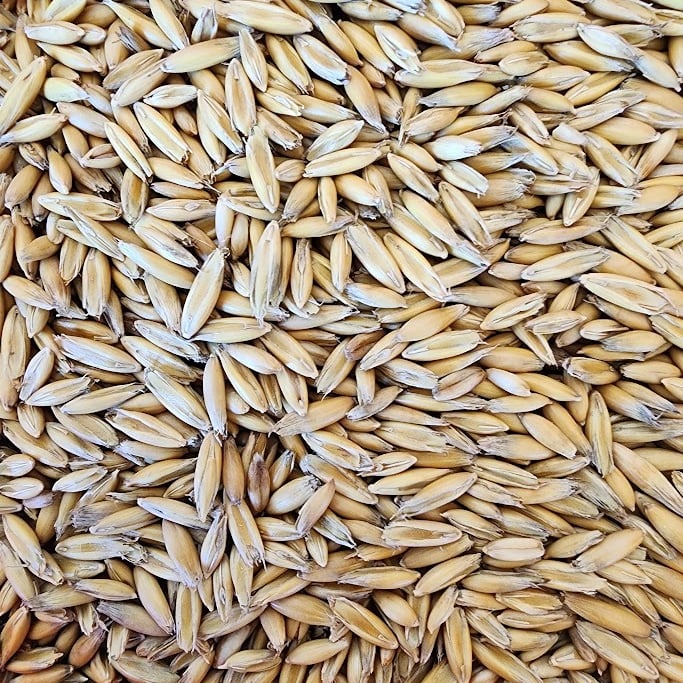
When planting oats, cold-hardy varieties like Tundra oats are ideal for northern regions. These are better suited to handle harsher climates. However, if you are on a budget, more affordable options like Warrior or Pearl oats from your local seed supplier can still perform well. Young oats are especially attractive to deer, making them a valuable component of this green blend.
When planting, use no more than 25 lbs/acre in a mix. Around 20 lbs/acre seems to be the sweet spot when used with the other ratios in this recommendation.
Important: avoid over-seeding oats in a mix. Adding too many pounds per acre can cause the oats to dominate, choke out the other plants, and prevent the mix from reaching its full potential.
Depending on your soil type, you may want to consider substituting wheat in place of oats. Wheat can perform well in the right situation, but oats are generally more attractive to deer. I would plant one or the other, not both together, because they compete for similar nutrients and can stunt growth across the blend.
Wheat should be planted less than 30 lbs/acre in a mix if used in place of oats.
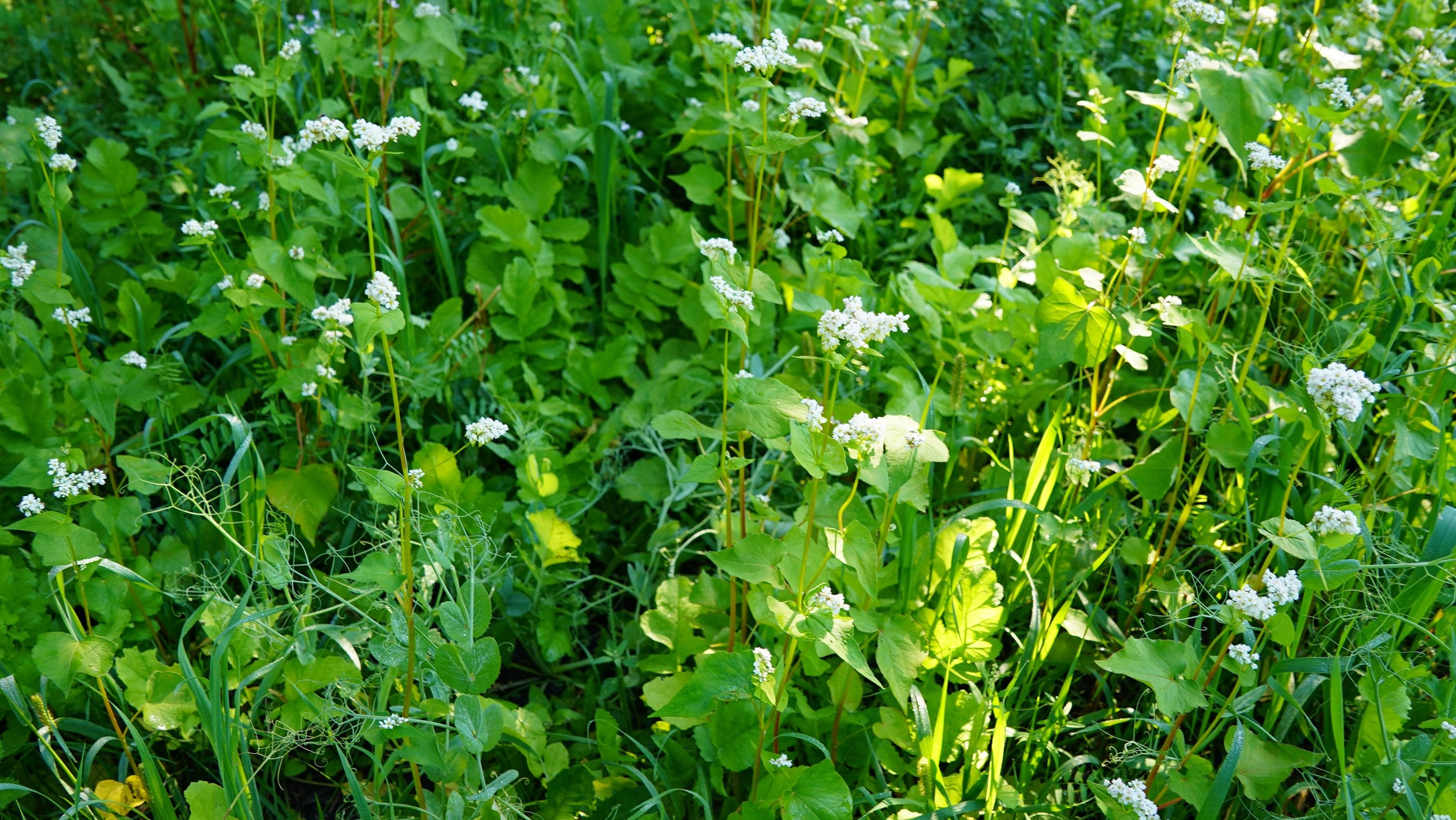
Buckwheat
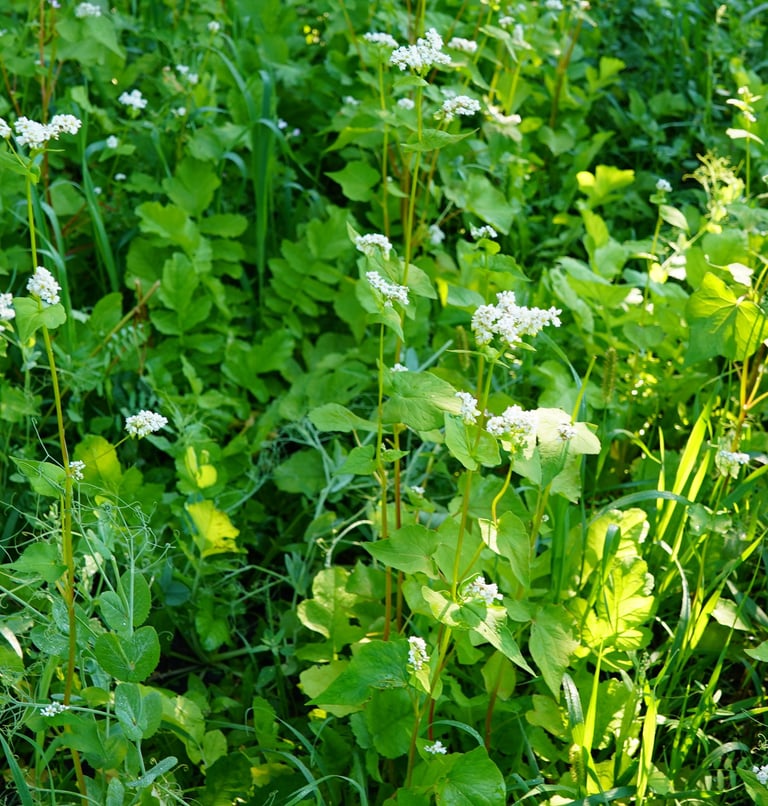
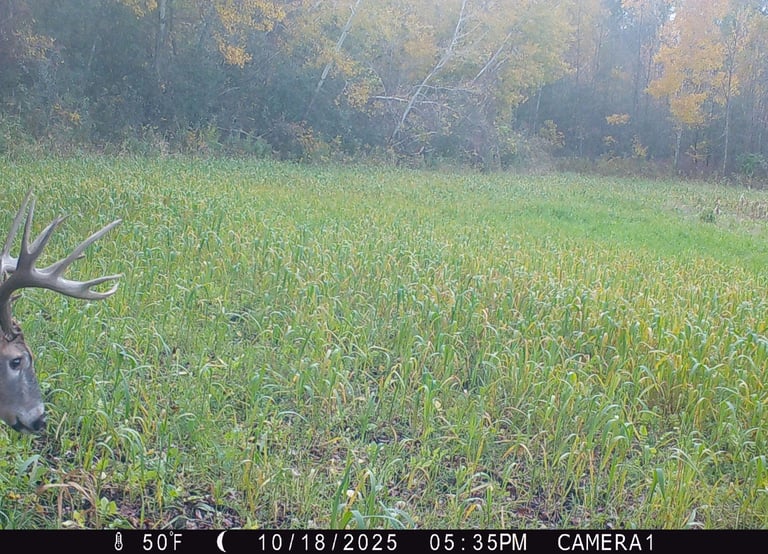
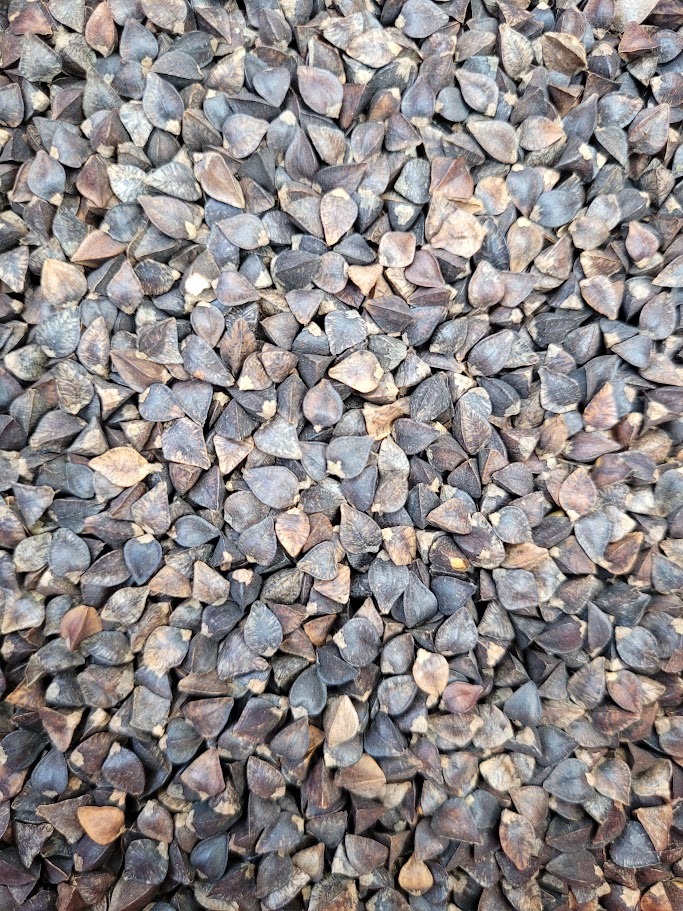
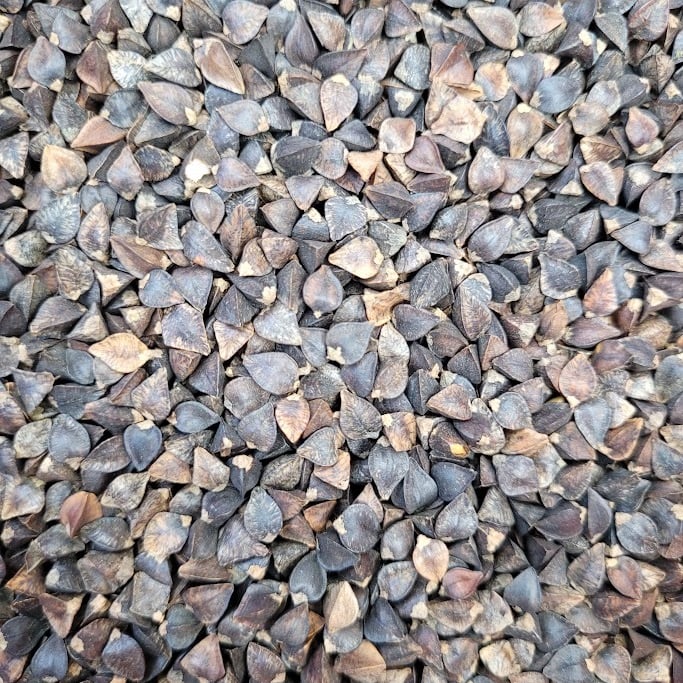
Deer love young buckwheat, making it a great early season candy crop. Buckwheat is a solid addition to a green blend and also has soil-building benefits.
Minimal seed is needed. I recommend 10 lbs/acre or less, with 5 lbs/acre being the sweet spot in most cases.
Deer Vetch
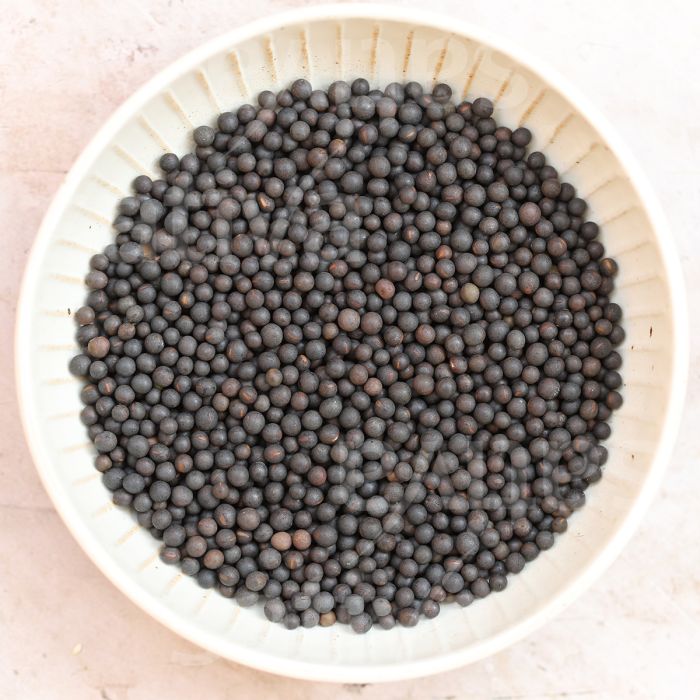
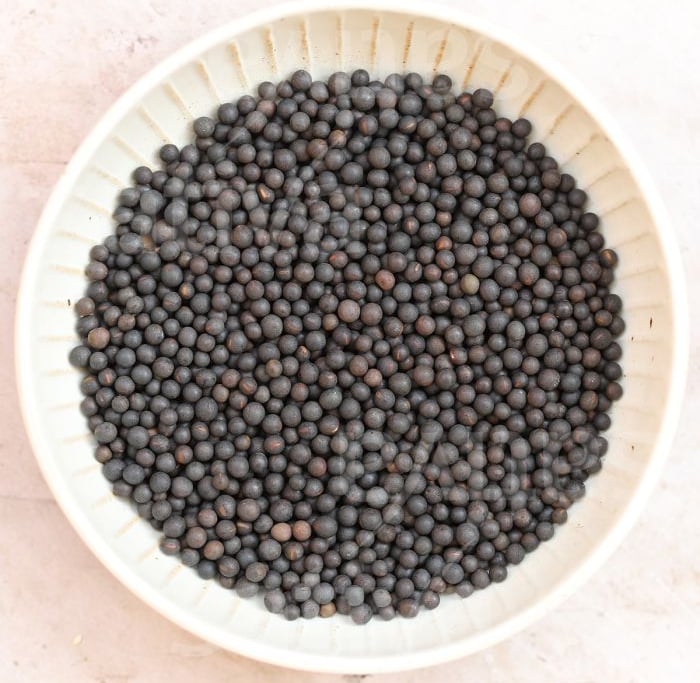
Another candy crop option is deer vetch, hairy vetch, or trefoil, depending on availability and budget. These plants do not produce large amounts of volume, but deer love to eat them. That makes them a great sweetener to add diversity and attraction to the mix.
Around 4 lbs/acre is plenty in a mix. Deer vetch can be expensive, so it is not essential. But if it is in your budget, it can be a beneficial addition.


Annual Red Clover
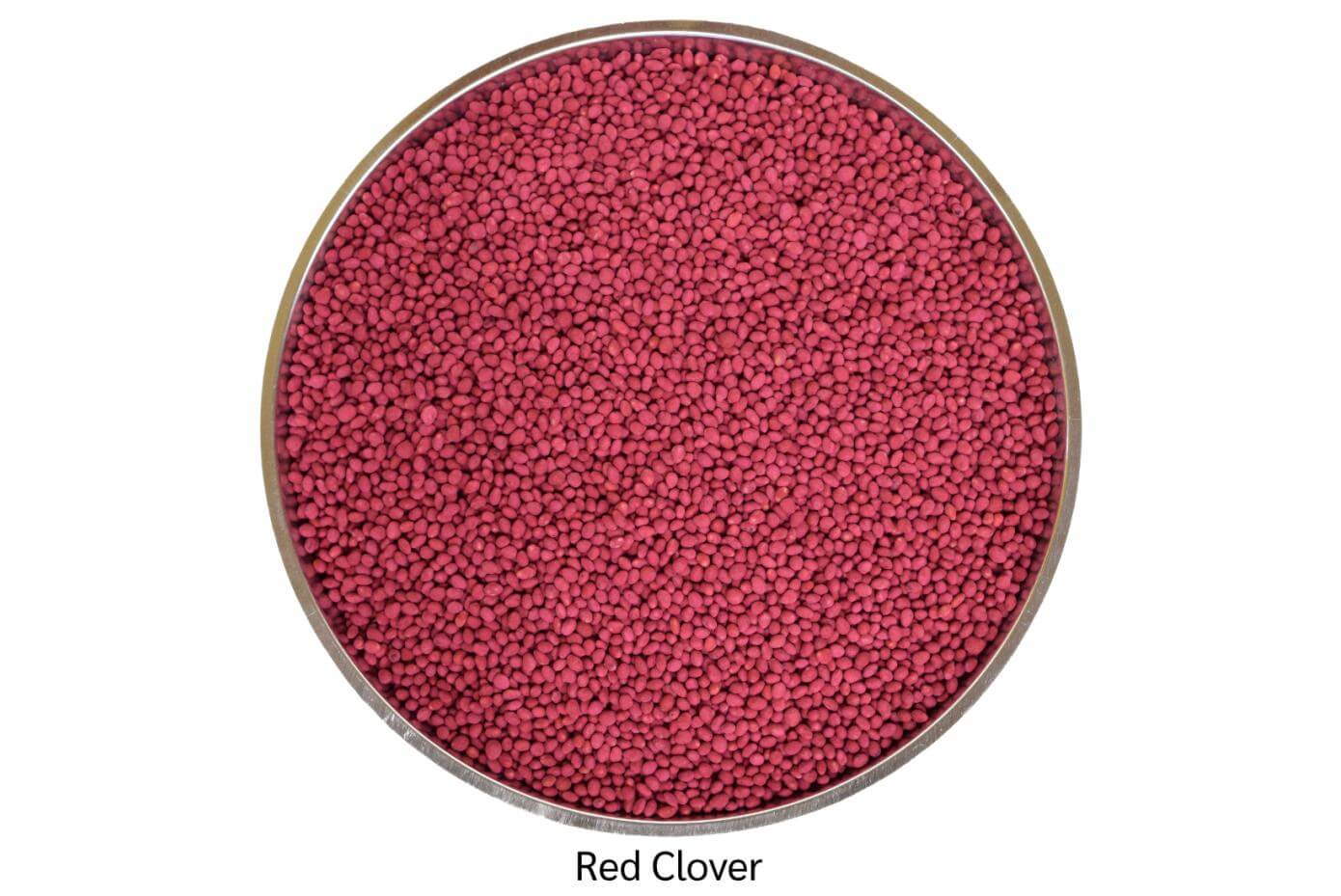
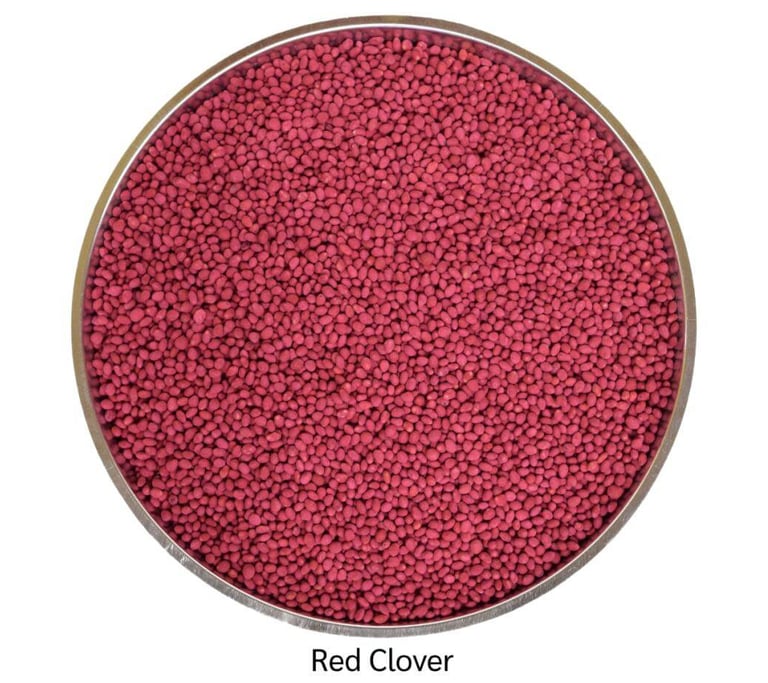
The final mix sweetener is annual red clover. There are many options to choose from, but I prefer a variety that establishes quickly and has solid frost tolerance. Annual clover adds another layer of attraction to the green blend and provides natural soil-building benefits as well.
It should not be viewed as the base of the blend, but more as the final touch that helps round out the mix.
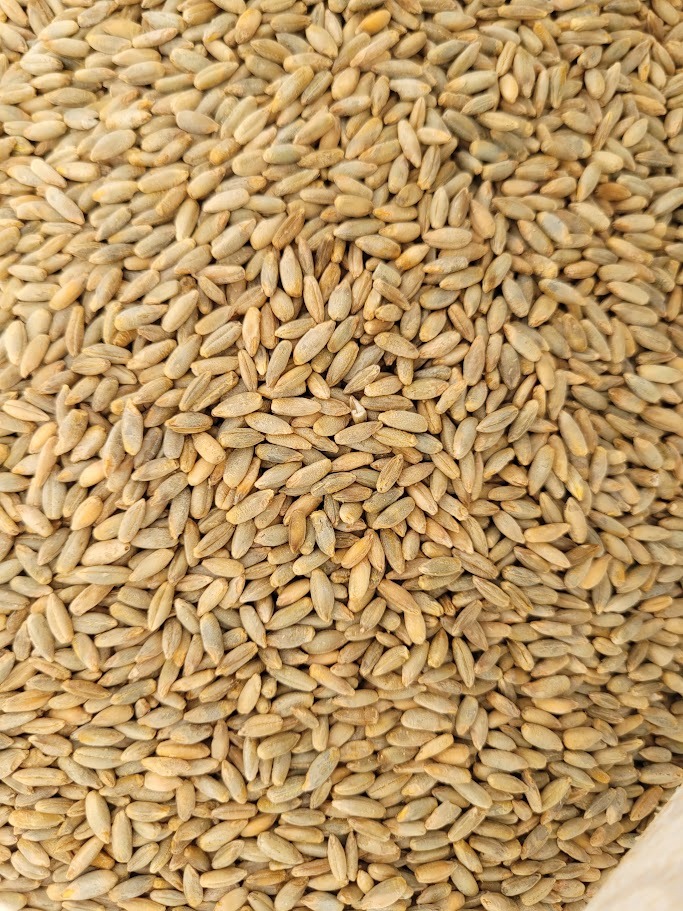
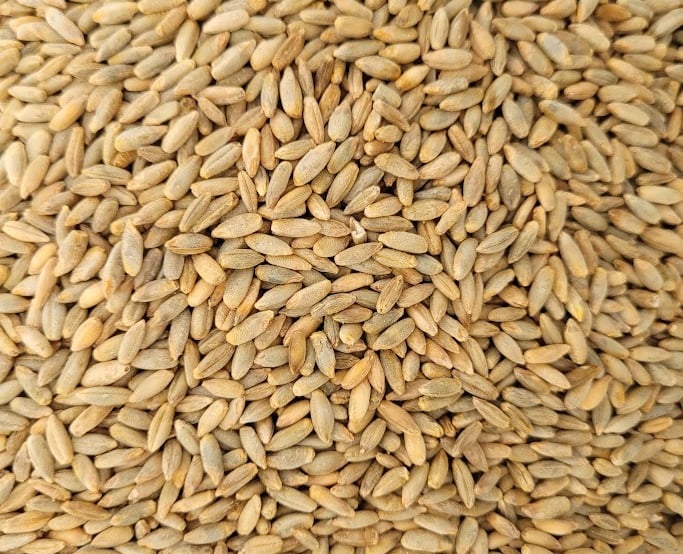
Rye is also extremely browse tolerant. If your green blend is getting hammered by the first week of September, you can always add more rye to help carry the plot through fall.
Rye is the number one food plot fail safe. If your food plot fails for whatever reason, throw down 200+ lbs/acre of rye and go into the season with something valuable. Rye is easy to plant and easy to grow. As long as you have good seed-to-soil contact, adequate sunlight, and some moisture, it will grow.
Another benefit of winter rye is that it is the first things to green up in the spring. That provides needed nutrition during a recovery period after winter stress.
Rye Top Dress
Approximately four to five weeks after the initial green blend planting, top dress that half with 50-200 lbs/acre of winter rye, also known as rye grain, to extend its attractiveness and nutritional value well into the season.
Top dressing your plot with rye provides a few key benefits.
First, it fills in the holes. Small patches of open dirt can quickly be replaced with green growth. More importantly, rye extends the attractiveness of the green blend into the late season. When the other plants in the green blend are browsed down, the rye will still be there to carry the plot through the season.
Brassica Blend
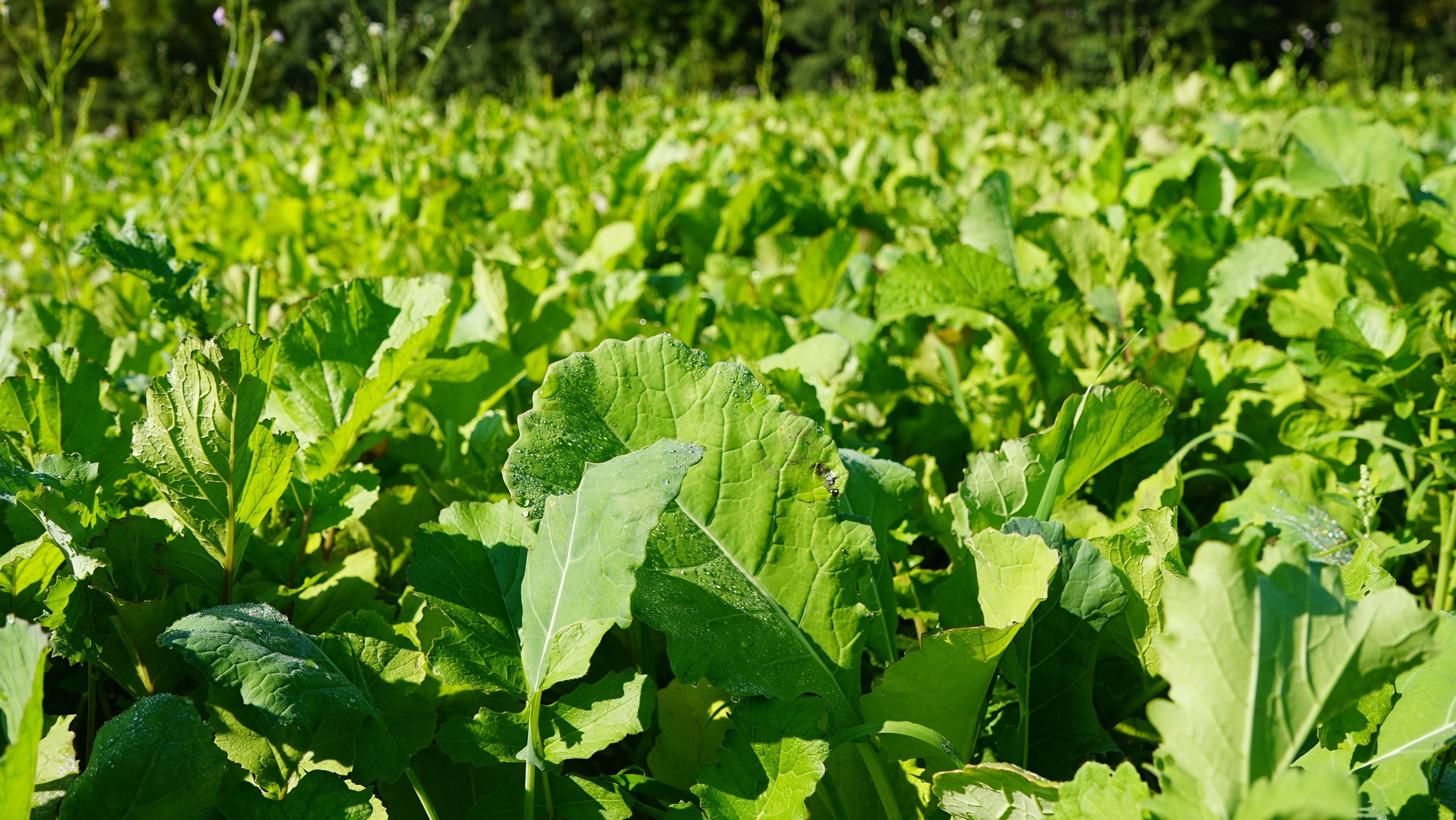
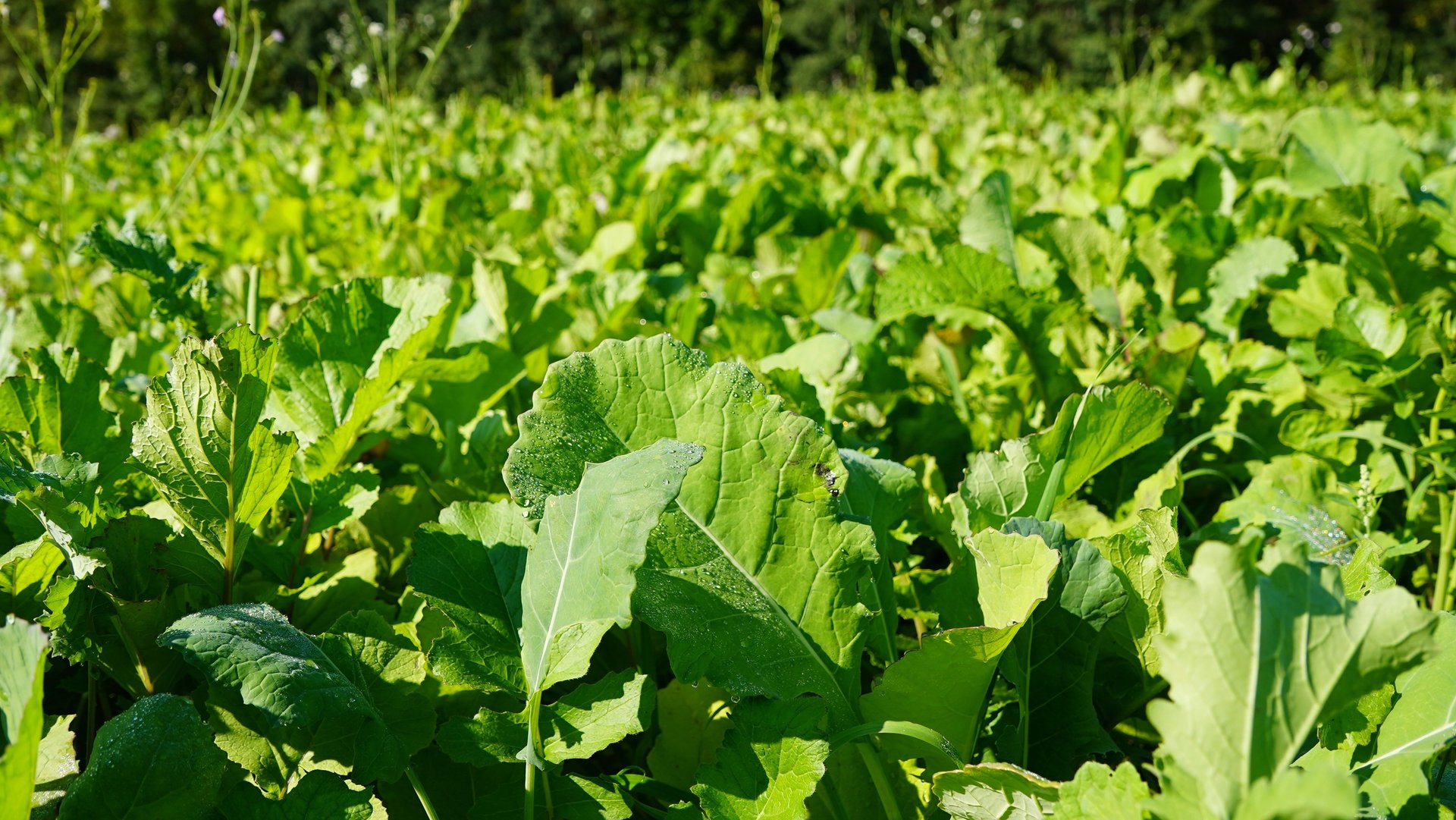
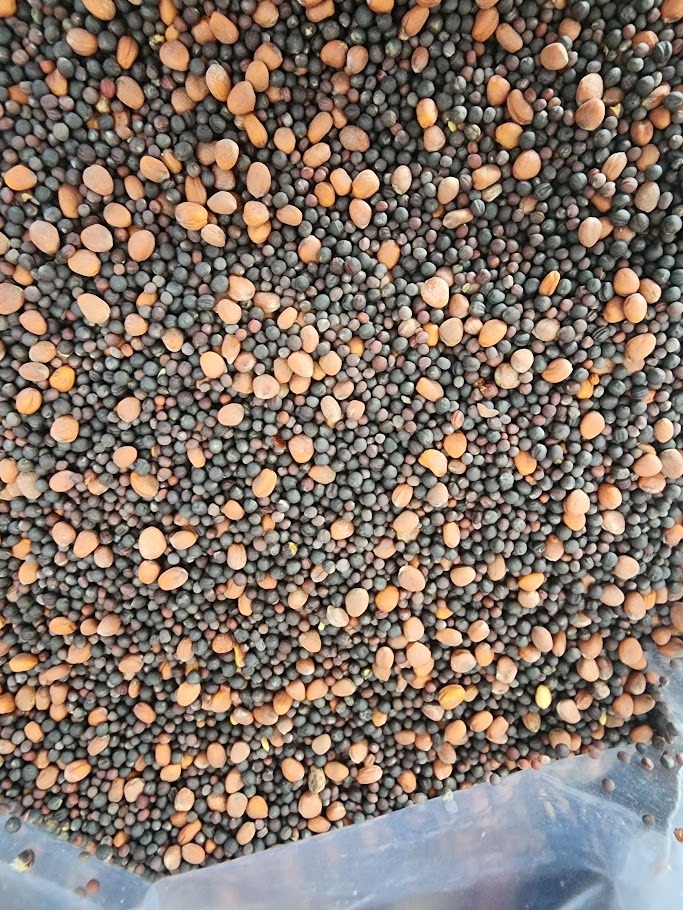
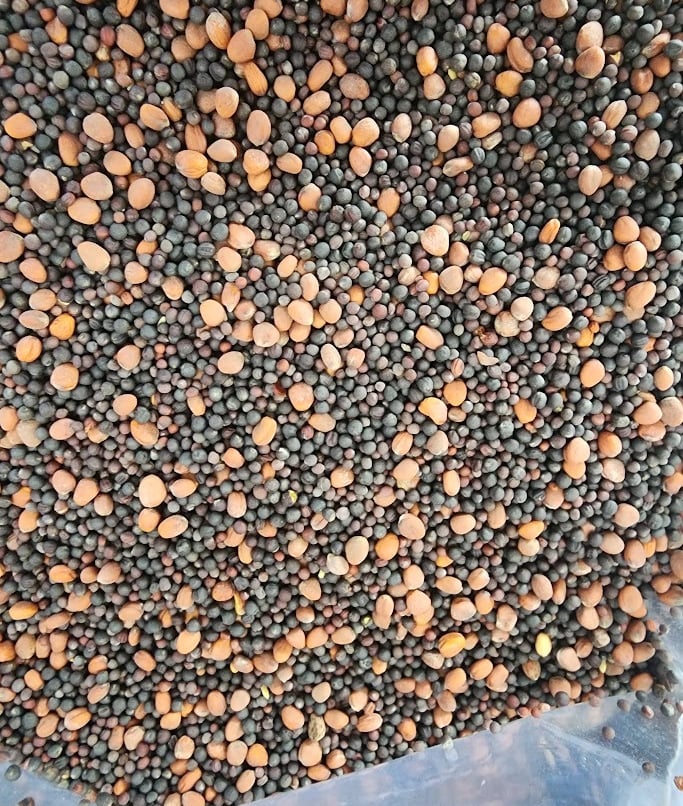
The other half of your food plot should be planted in a brassica blend - a cold-hardy, high-volume blend consisting of radishes, forage rapes, globes, and turnips.
As your green blend begins to fade later in the season, deer will naturally shift to the brassica side. That is when brassicas should be peaking in palatability and nutrition, right as cold weather stress begins to set in.
This timed transition provides reliable season-long value, keeping deer on your property and feeding when they need it most.
Volume and Winter Prep
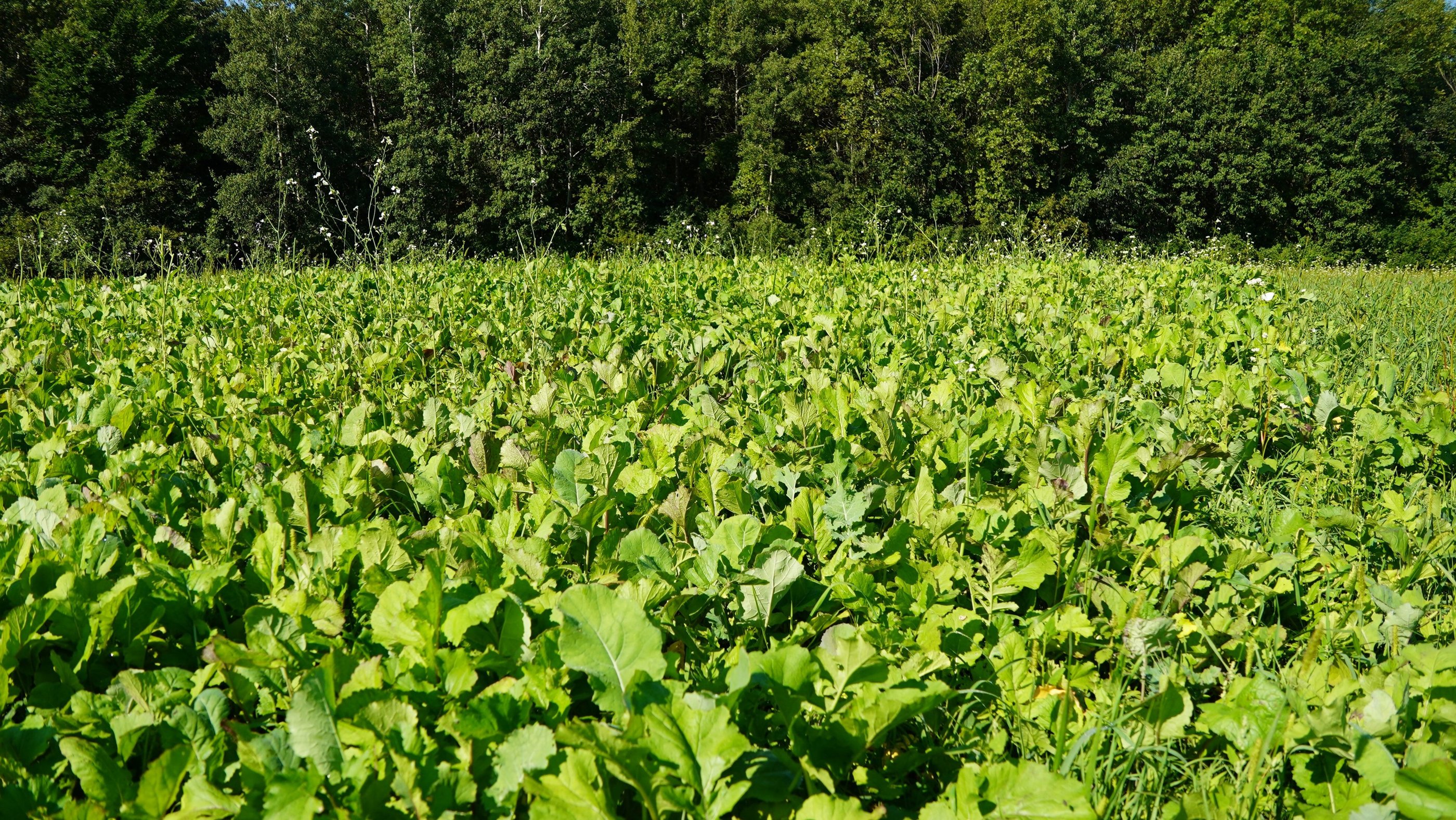
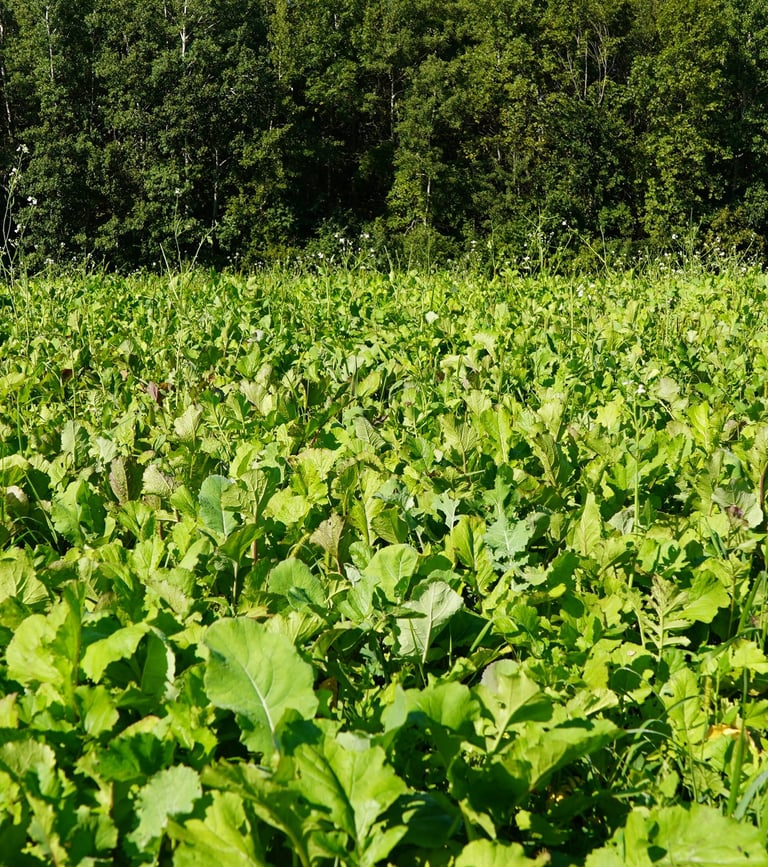
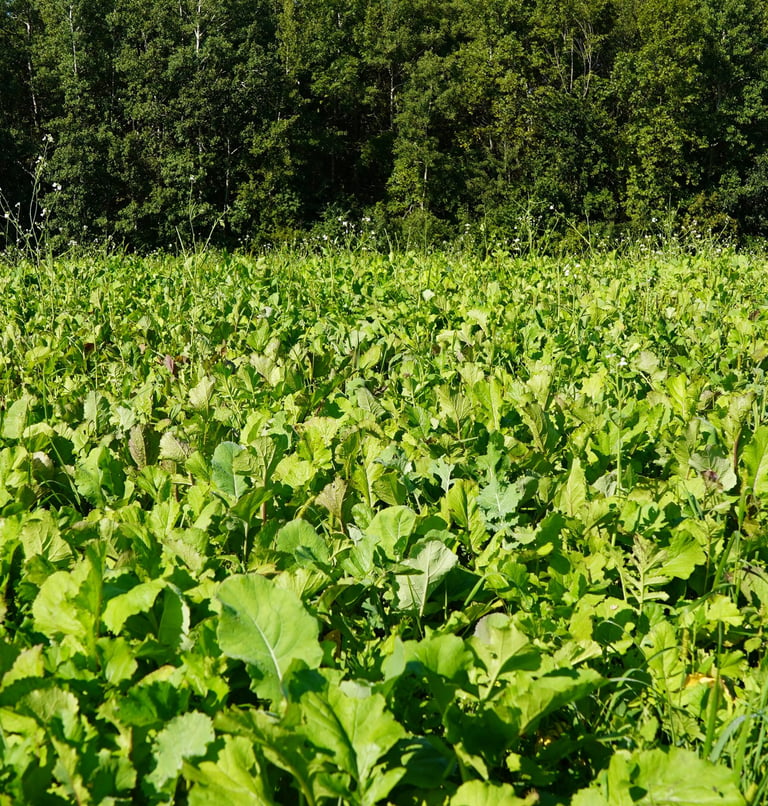
Brassicas can produce tremendous forage tonnage, often between 5-6 tons per acre in ideal conditions. Even under average conditions, brassica plots can produce significant forage volume and late-season nutritional value.
This is the type of volume that helps you build and shape a deer herd. It also gives deer a strong food source going into the hardest months of the year.
Tillage Radish
As mentioned with the green blend, tillage radish, also known as daikon radish, has several nutritional and soil-building benefits. In comparison to the other brassica blend components, tillage radish is often the most attractive early. Deer will frequently hit the leafy top before other brassicas, while the radish tube is typically consumed later in the season. It brings both attraction and soil value to the brassica side.
Forage Rape
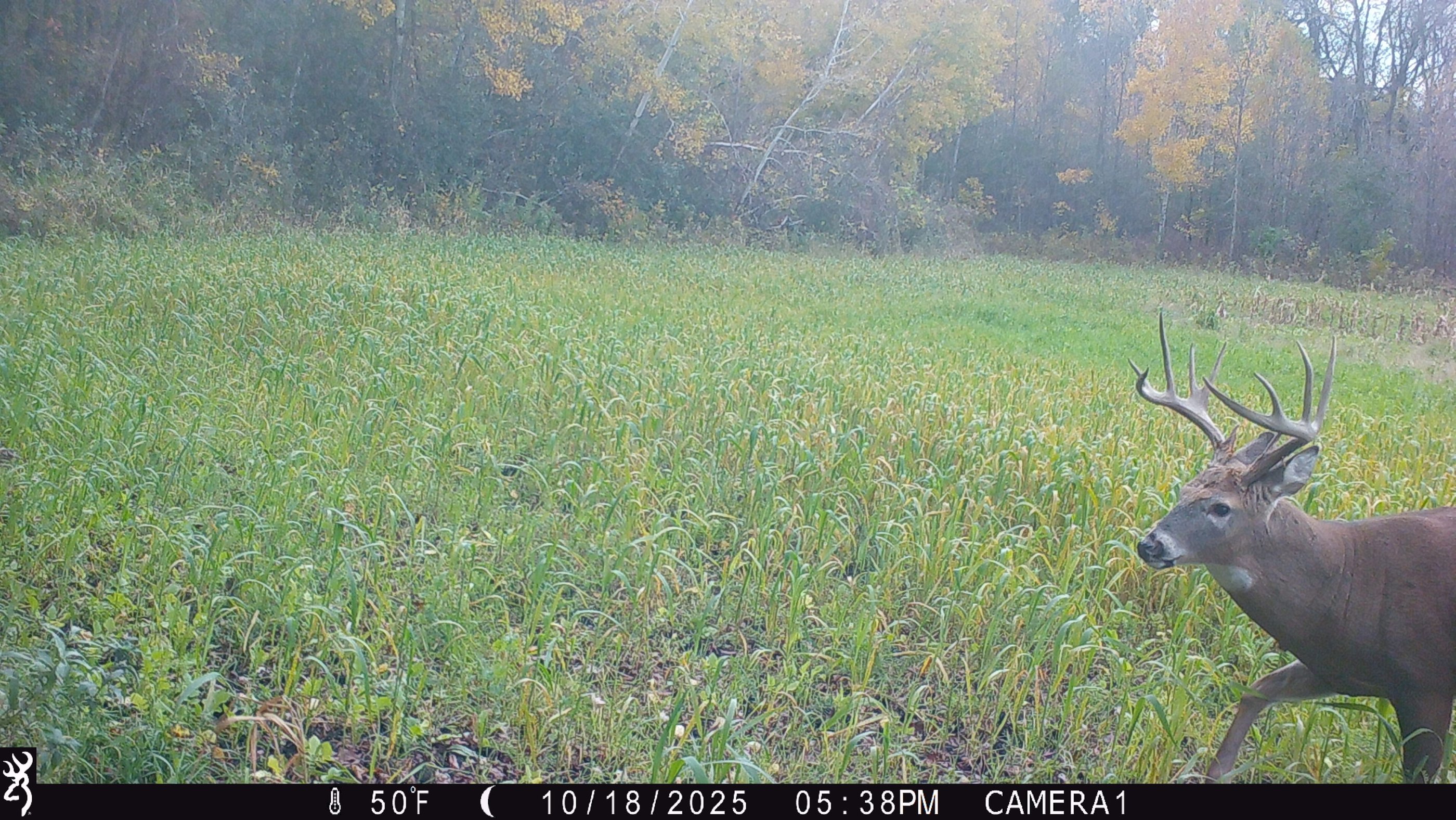
Forage rape varieties offer a lot of green tonnage and can provide strong attraction throughout the heart of the season, especially from late October through early December. This is one of the key green components within the brassica blend and helps bridge the gap between mid-season and late-season attraction.
Globes
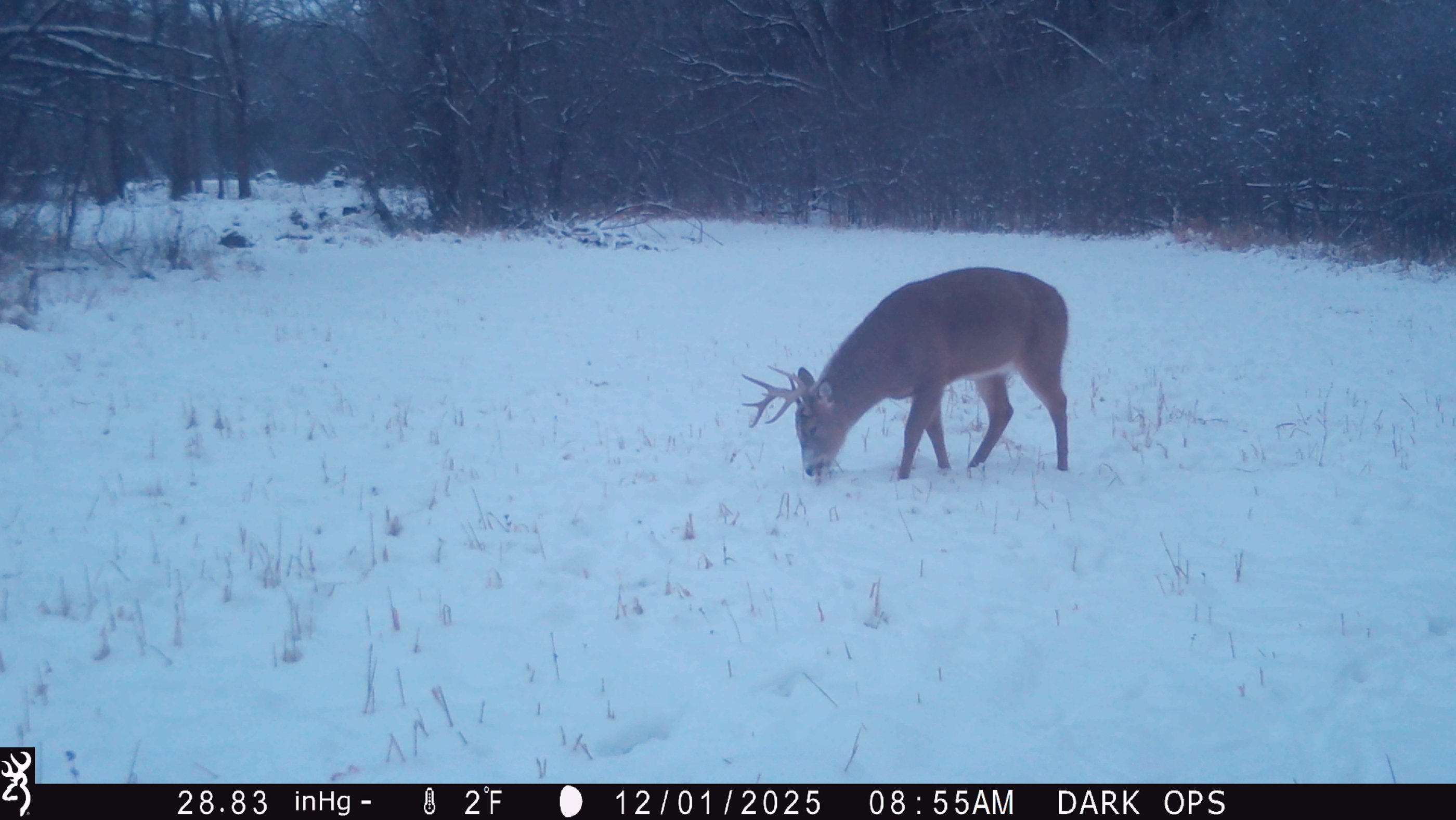
Purple top turnips and green globe varieties provide late-season attraction that deer will dig through the snow to get to. These bulbs carry energy value later in the season and can become a major draw when other food sources disappear. However, they are often one of the least attractive components in a typical brassica mix, so the quantity should be proportionally less in most regions.
Kale
Kale is not a good fit for most of the country in my opinion, because it is not consistently attractive. However, it can be a good option in big woods settings with heavy browse pressure. In those situations, it can provide additional volume and stand up to pressure better than some other options.
With that being said, if your area has more than 20% agriculture, I would generally not include kale in the mix.
Misunderstood Claims About Brassicas
Unfortunately, some people will claim that brassicas “do not work.” If that is the case, it is usually caused by other circumstances. Most often, brassicas fail because they are not paired correctly with a quality complementary food source - the green blend half.
When brassicas are planted alone or blended incorrectly with other seed types, performance can drop significantly. But when they are paired correctly with a high-quality green blend, brassicas can be extremely valuable.
That is the entire point of the ½ & ½ method. The green blend establishes attraction early, while the brassica half builds volume and peaks later. The two blends work together.
Maximize Growth With Urea
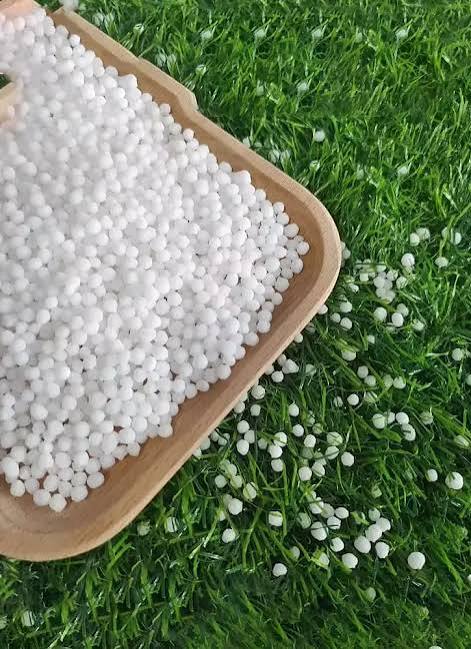
For optimal brassica performance, apply 75+ lbs/acre of urea about four to five weeks after planting. This can be done around the same time you are topdressing your green blend with winter rye.
Apply urea with an approaching rain, but not when the brassica leaves are wet. Applying urea to wet leaves can burn them and diminish growth. Also avoid applying urea during heat without rain in the forecast, as urea can volatilize and become unavailable to the plants.
Brassicas are nitrogen hogs. A well-timed urea application can make a major difference in both leaf mass and root development.
Planting Guide
Both blends in the 2026 Best Whitetail Food Plot Mix are simple to plant, but following these guides will help give your plots the best chance for success.
Green Blend
Ensure weed concerns have been properly addressed using herbicide, tillage, or both. The greatest cause of failure for a high-quality food plot is a lack of adequate weed control. Also, ensure that the soil pH and fertility levels are addressed before planting.
Make sure that there is adequate sunlight reaching the plot. A minimum of 6 hours per day. There is no good food plot blend that will tolerate shade and produce an adequate plot.
Broadcast the peas and other greens separately to ensure even proportional distribution. Combining both will result in the smaller seeds being spread before the larger peas.
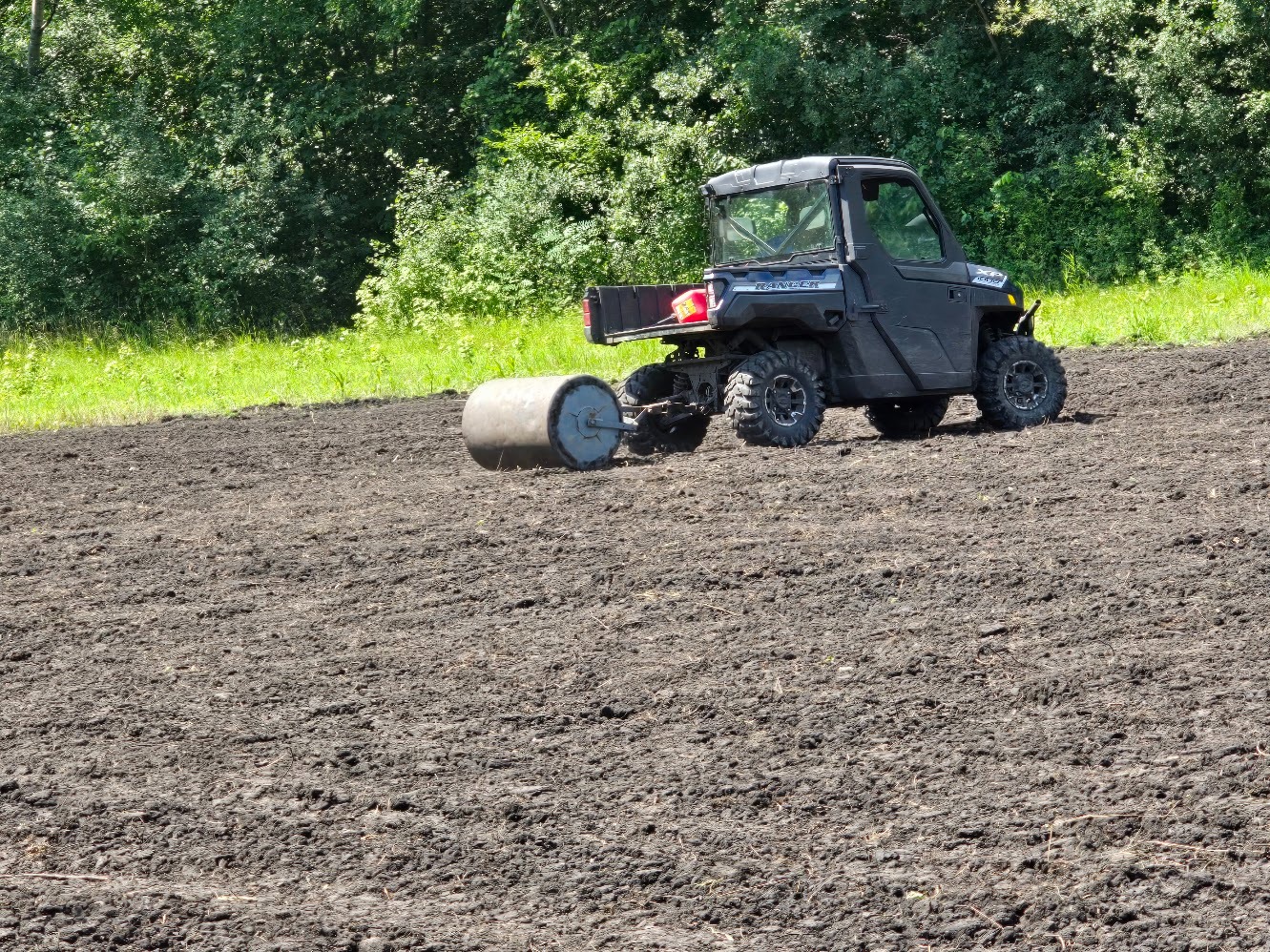
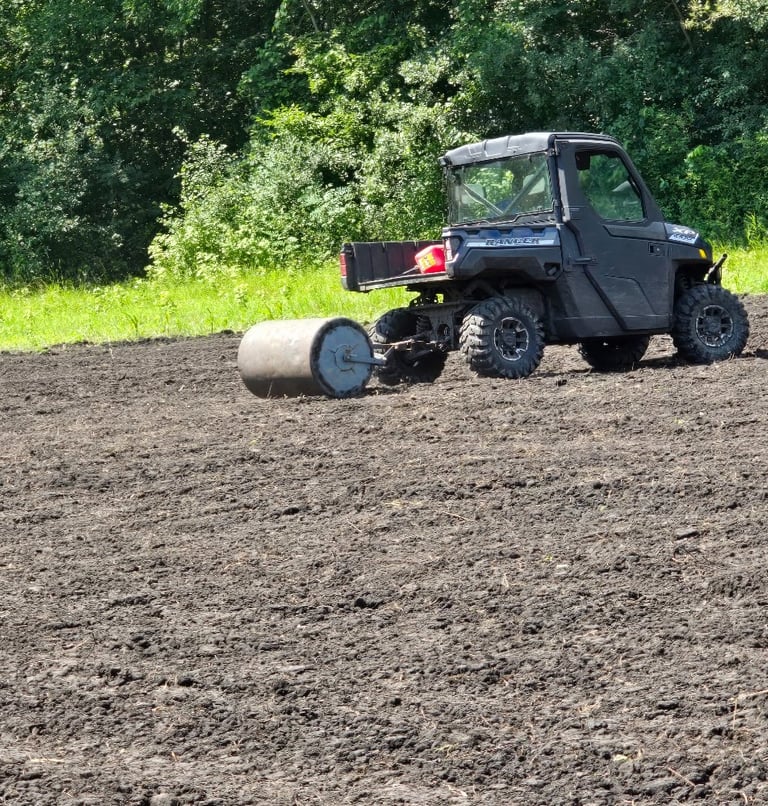
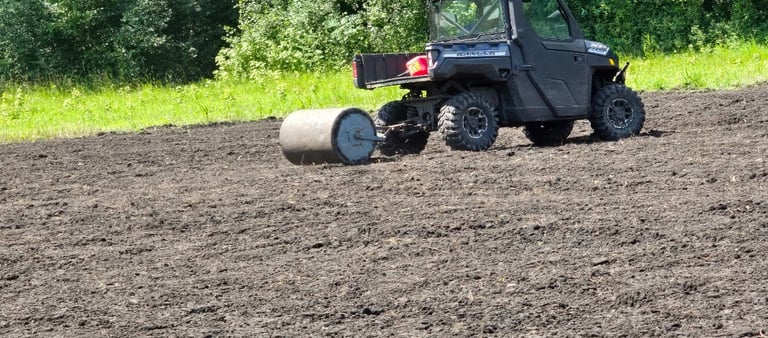
Ensure proper seed-to-soil contact by lightly dragging, cultipacking, or driving over the soil with an ATV or vehicle to pack the seed into the top layer of the soil. Seed should be covered no more than ½ inch.
Greatly extend the use of the plot by broadcasting 50-150lbs+ of winter rye or wheat into the plot 4 weeks after planting.
Before planting, ensure an appreciable rain is forecast in the near future for optimal results.
Planting Date: Late July to early August in the northern half of the country and late August to early September in the southern half.
Brassica Blend
Ensure weed concerns have been properly addressed using herbicide, tillage, or both. The greatest cause of failure for a high-quality food plot is a lack of adequate weed control. Also, ensure that the soil pH and fertility levels are addressed before planting.
Make sure that there is adequate sunlight reaching the plot. A minimum of 6 hours per day. There is no good food plot blend that will tolerate shade and produce an adequate plot.
Ensure proper seed-to-soil contact by lightly dragging, cultipacking, or driving over the soil with an ATV or vehicle to pack the seed into the top layer of the soil. Seed should be covered no more than ¼ inch.
Optional – To greatly improve the success of your brassica plot, broadcast 75lbs of 46-0-0 four weeks after planting when the young brassica is completely dry, and rain is in the immediate forecast.
Before planting, ensure an appreciable rain is forecasted in the near future for optimal results.
Planting Date: Late July to early August in the northern half of the country and late August to early September in the southern half.
Conclusion
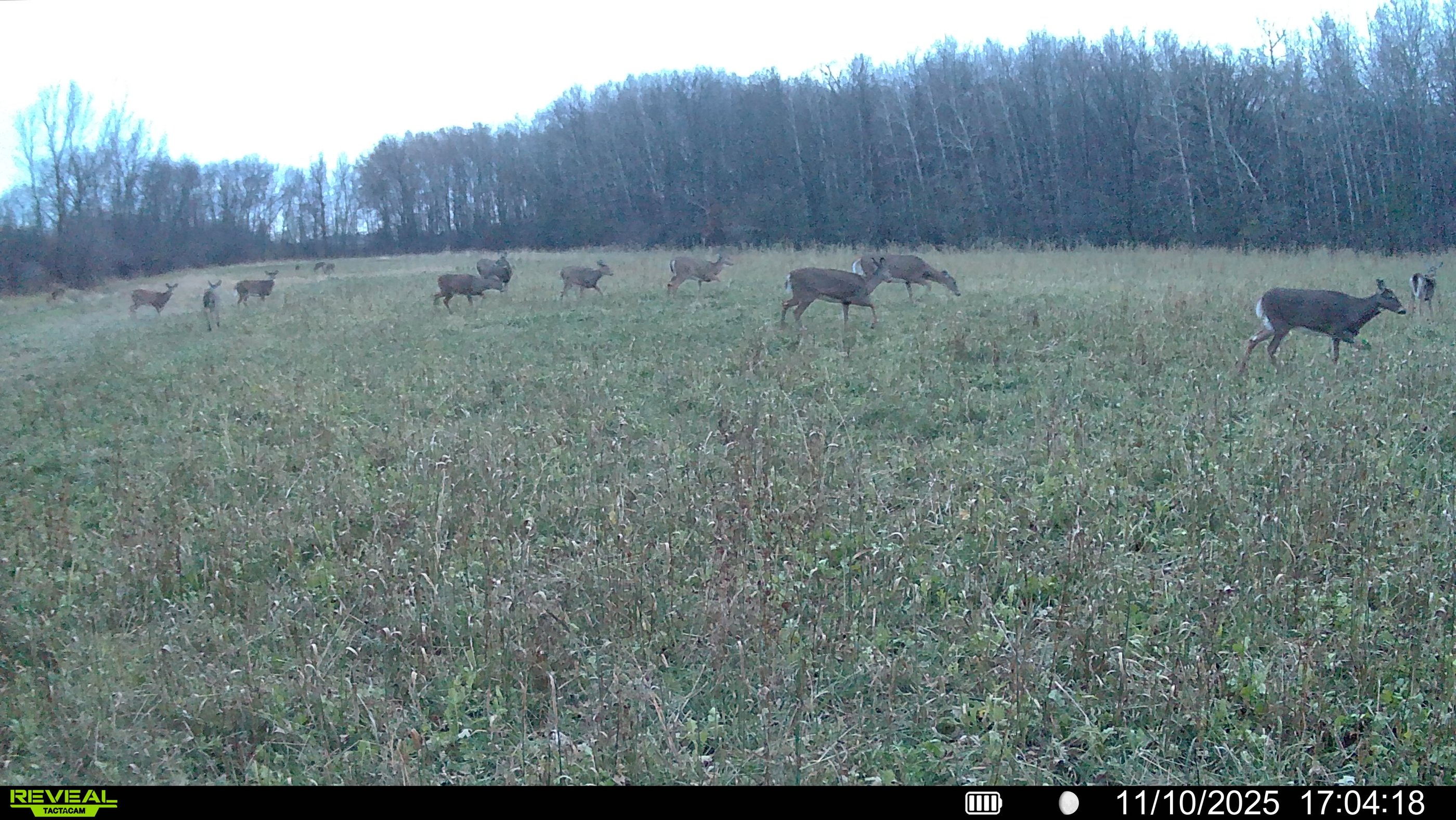
There is no question that highly attractive food plots that provide significant volume throughout the season are a game-changer for private land whitetail hunting. Planting the right blends, in the right layout, and at the right time is critical. By using a combination of an annual green blend and brassicas, you create a proven structure that delivers season-long attraction, nutritional value, and dependable deer movement.
The 2026 Best Whitetail Food Plot Mix is not built around one magic seed. It is built around a system. The green blend provides attraction early and carries value through the season. The brassica blend builds volume and peaks when deer need it most. The rye top dress acts as the fail safe that can extend the plot deep into the late season and even into spring.
When this strategy is implemented with a quality habitat and hunting plan, results become much more predictable. Follow the blueprint outlined in this article, adjust it to your property, and you will be in a much better position to improve your whitetail hunting success this fall and for years to come.
Copyright© 2026 WHITETAIL SYSTEMS AND SERVICES, LLC