
CORN FOR WHITETAILS: VALUE, LIMITATIONS, & STRATEGIES
Owen Brick
6/4/20264 min read
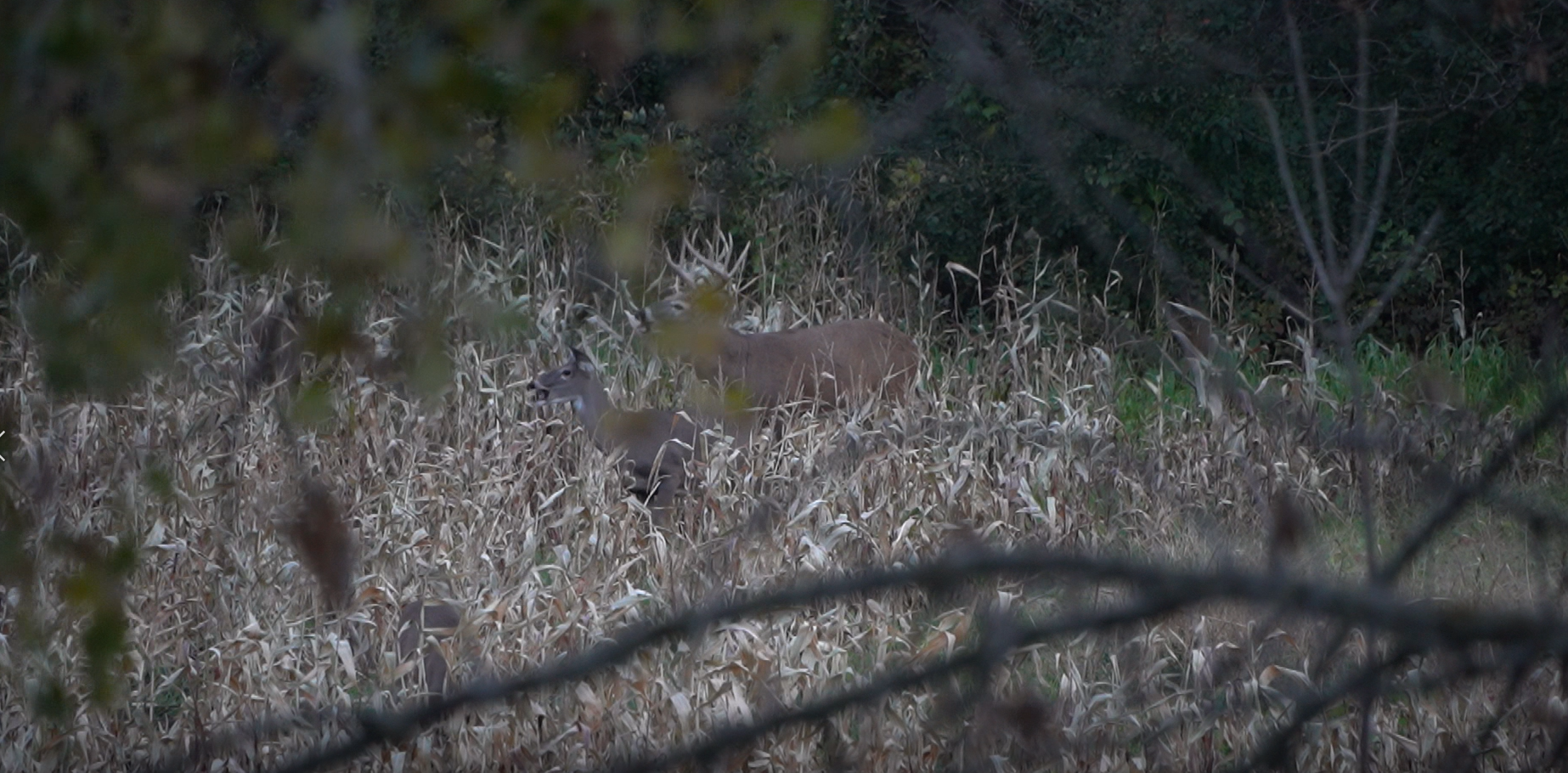
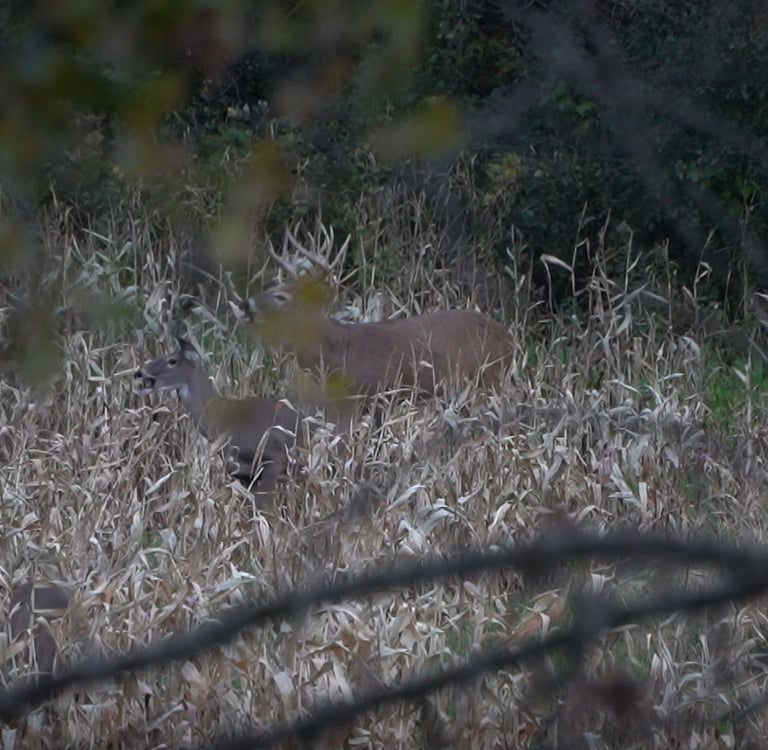
Deer love corn, but does that mean you should be planting it in your food plots?
Corn is often misconceived as the gold standard of deer food plots. As a whitetail habitat consultant, I always ask landowners about their food plot program, and one of the most common responses is simply, "corn and beans." While corn certainly has value, it is often overused and misunderstood. Many habitat managers treat it as a universal solution when, in reality, it is only one piece of a complete food plot program.
I plant corn on nearly every private-land property I hunt, but the key is understanding when and how to use it. When incorporated properly, corn can provide tremendous benefits. When relied upon too heavily, however, it can leave major gaps in attraction and nutritional availability throughout the hunting season.
Corn's Value
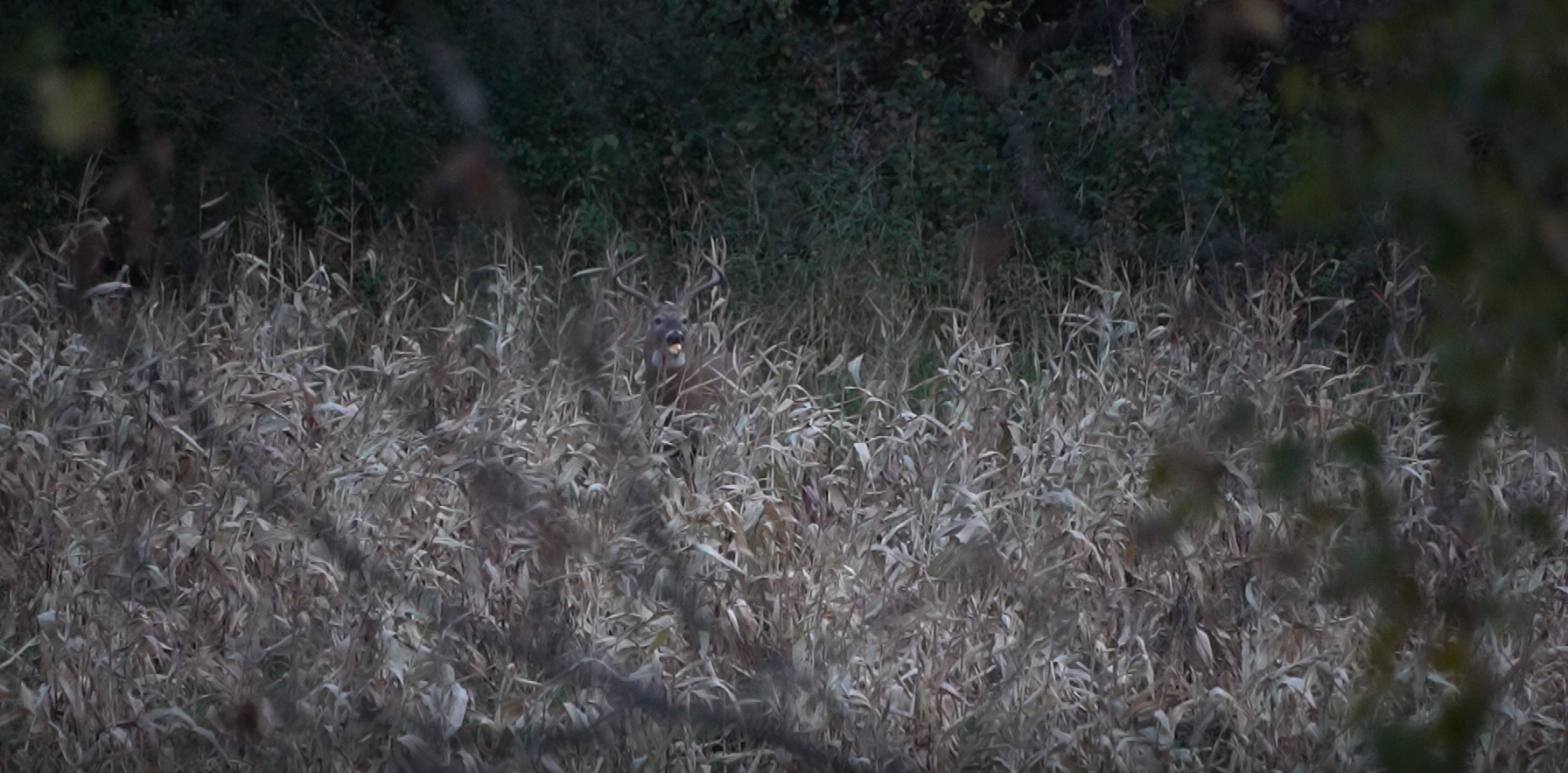
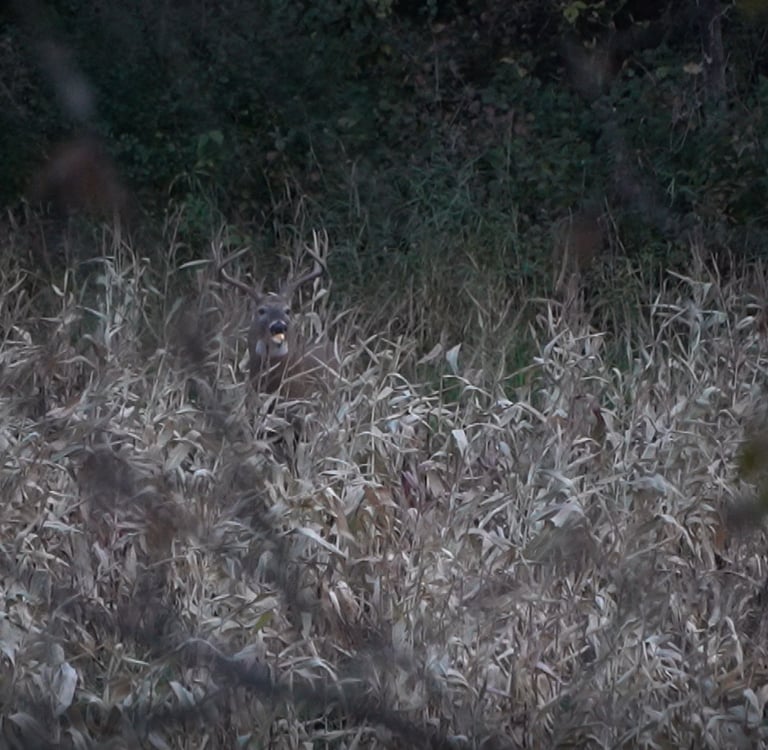
Corn is one of the best late-season food sources available to whitetails. It provides a tremendous amount of tonnage and is packed with energy-rich carbohydrates that deer crave as temperatures drop and winter approaches. From mid-November through December and beyond, standing corn can become one of the most valuable food sources on a property.
This value becomes even more apparent during harsh winters. Heavy snow, freezing rain, and ice can make it difficult for deer to access lower-growing food sources such as brassicas and cereal grains. Standing corn remains above the snow and continues providing an accessible food source when deer need it most.
In areas where neighboring properties lack quality late-season food, standing corn can create a significant advantage. A property that offers abundant food during the toughest conditions often becomes a destination location, helping hold deer for longer periods and potentially increasing mature buck encounters.
Corn's Limitations
Despite its strengths, corn has several limitations that habitat managers need to understand.
The biggest issue is its limited attraction during much of the hunting season. While deer will utilize corn throughout the year, it generally does not provide the same level of attraction during September and October as quality green food sources. Brassicas, cereal grains, annual greens, and other highly attractive fall plantings typically draw more consistent deer activity throughout the early and middle portions of the season.
For this reason, I encourage landowners to establish a strong green food plot foundation before considering corn. If your property lacks quality early- and mid-season food sources, adding more corn is not the answer.
Corn should be viewed as a complement to a food plot program, not the foundation of one.
Using Corn Correctly
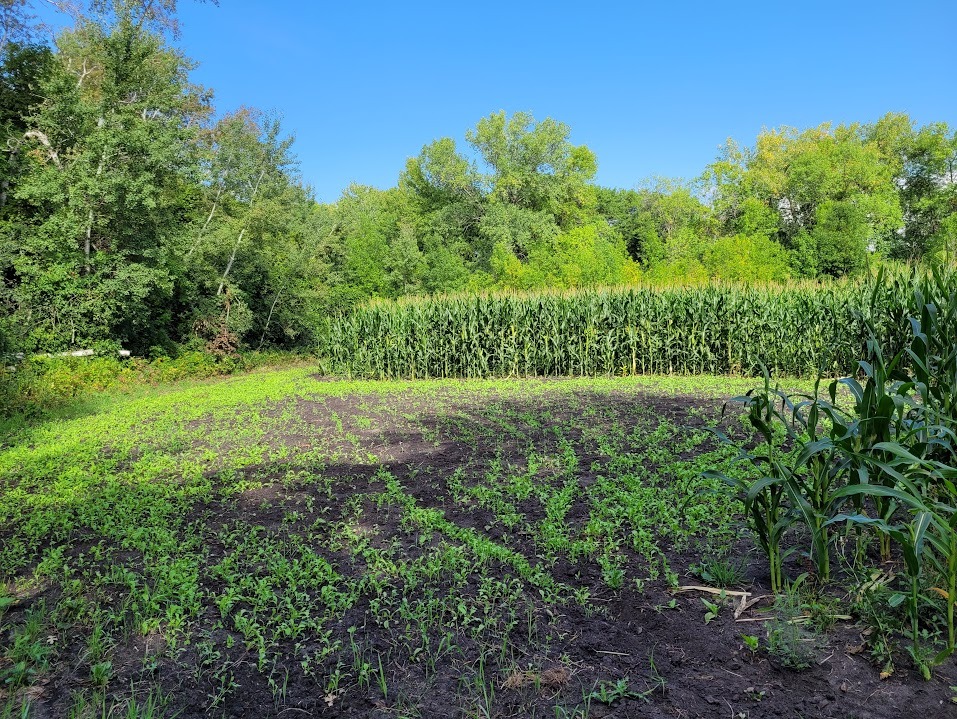
One of the most effective approaches is pairing standing corn with an already established attractive green food source foundation. When positioned next to brassicas and annual green blends, corn can create a powerful addition. The greens provide attraction throughout much of the fall, while the corn becomes increasingly valuable as temperatures drop and winter conditions intensify.
Plot Design
A mistake I frequently see is landowners planting long, narrow strips of corn along timber edges. While these plots may seem advantageous, they often struggle to produce. Deer, raccoons, turkeys, and other wildlife can heavily browse young corn plants, especially along field edges. In many cases, the outside rows suffer significant damage before the crop ever reaches maturity.
Larger block-style plantings typically perform much better. By reducing the amount of edge relative to the amount of interior acreage, more of the corn has an opportunity to mature and produce ears. If your goal is maximizing food production and attraction, larger blocks generally outperform narrow strips.
Cost and Management Considerations
Another factor that deserves consideration is cost.
Compared to most fall food plots, corn is significantly more expensive and demanding to establish successfully. It requires quality seed, adequate fertility, weed control, and heavy equipment. Corn is also a heavy nutrient user, meaning fertilizer costs can quickly add up.
When evaluating return on investment, many landowners may find that high-quality fall food plots provide more attraction over a longer portion of the hunting season while requiring less expense and management. This doesn't mean corn should be avoided, but it does mean it should be planted with a clear purpose rather than simply because it is popular.


Conclusion
Corn can be an outstanding addition to a whitetail habitat program when used correctly. It provides valuable late-season nutrition, remains accessible above snow and ice, and can become a major attraction source during harsh winter conditions. In the right situation, standing corn can help hold deer on a property when neighboring food sources disappear.
However, corn should not be viewed as a standalone solution. A strong foundation of highly attractive green food sources must come first. Once that foundation is established, corn can be strategically added to strengthen a property's late-season food availability and overall hunting potential.
Like most habitat improvements, success comes down to proper application. When planted in the right locations, in the right amounts, and as part of a complete food plot strategy, corn can be a powerful tool for attracting and holding whitetails for this fall and years to come.
Copyright© 2026 WHITETAIL SYSTEMS AND SERVICES, LLC