
LATE SEASON HUNTING STRATEGIES
Owen Brick
12/26/20255 min read
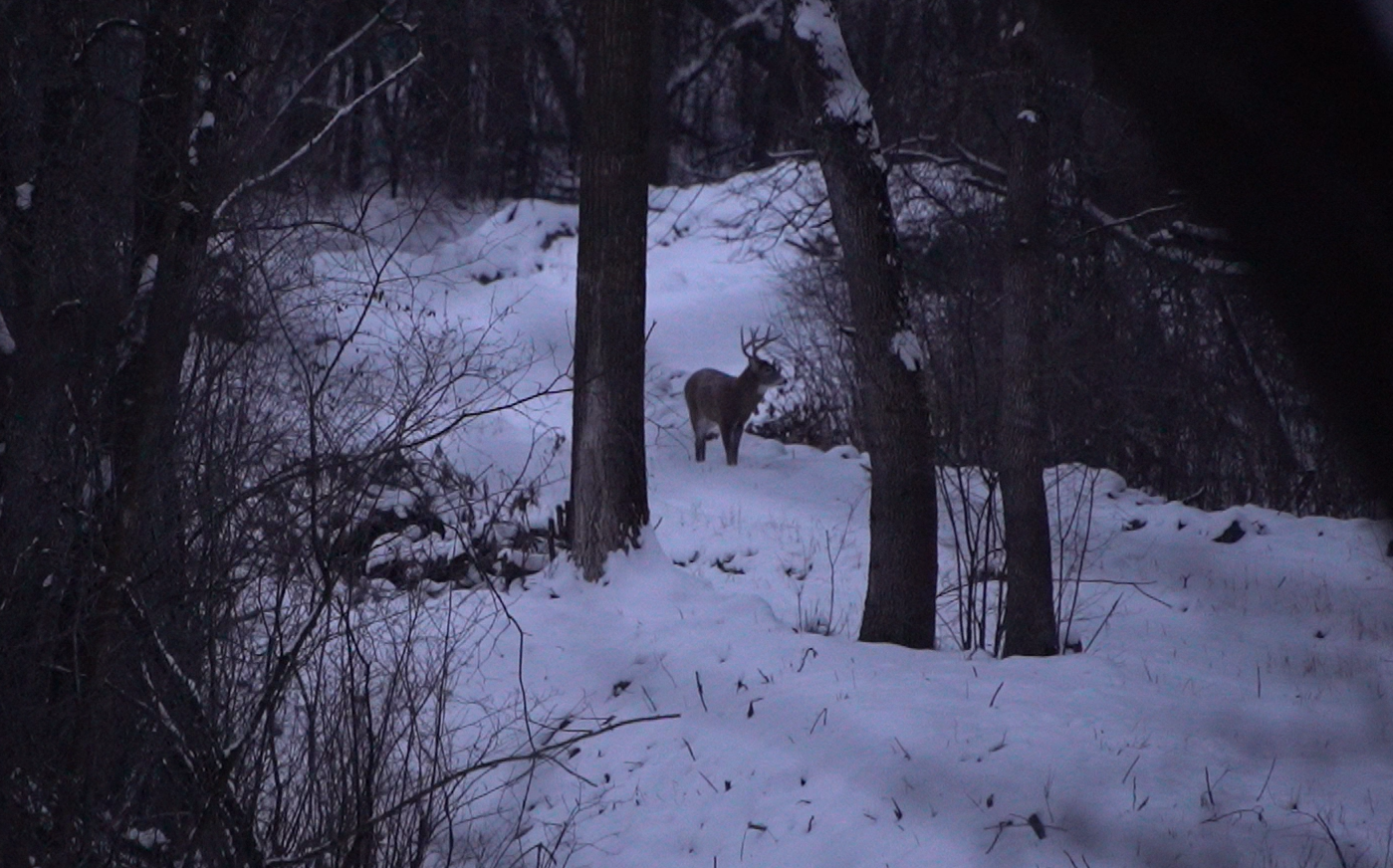
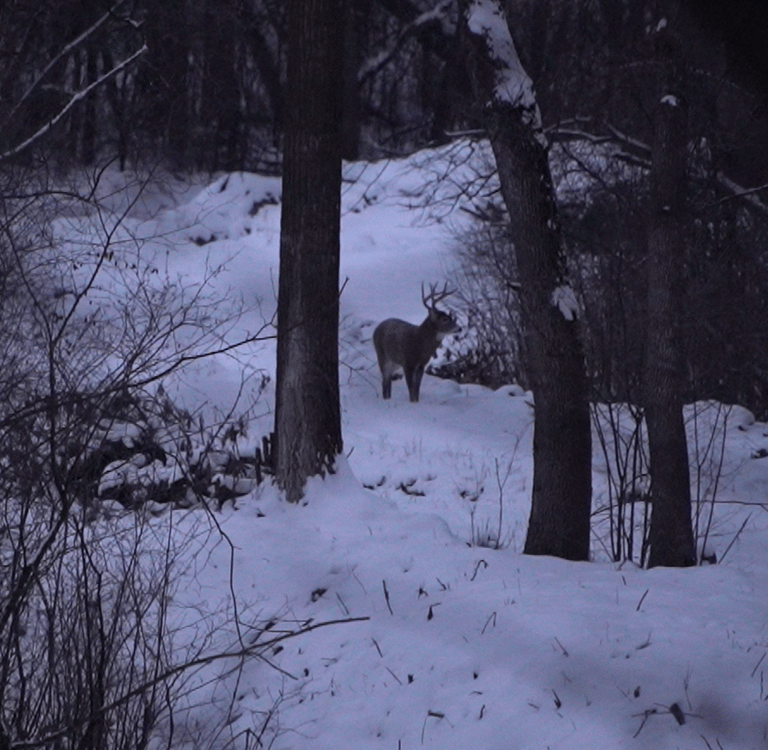
What is often viewed as the toughest portion of the whitetail season can actually be the most productive. The late season, those final weeks before the calendar turns, offers a unique combination of predictable deer movement, limited hunting pressure, and some of the best opportunities to harvest mature bucks all year.
Unfortunately, many hunters mismanage this window. Poor access, excessive pressure, and a failure to understand late-season deer behavior cause most to miss its true potential. In this article, we will break down where to hunt during the late season, how deer shift their priorities, and the habitat strategies that allow a property to consistently attract and hold whitetails when surrounding properties go vacant.
Food is the Utmost Priority
During the late season, survival is the priority, and food dictates nearly every movement they make. Any available, unpressured food source becomes a destination, and it does not need to be exceptional from a nutritional standpoint to draw deer consistently.
When temperatures drop and snow accumulates, especially when snow becomes crusted or iced over, deer quickly shift toward standing and easily accessible food. Corn and soybeans become extremely valuable under these conditions, particularly during extended periods of extreme cold when deer must maximize caloric intake while minimizing movement.
Green food sources, however, are often preferred when they remain accessible. Brassicas, winter rye, winter wheat, winter peas, remaining oats, annual clover, vetch, and other surviving fall plot species can be highly attractive well into winter. In most late-season conditions, deer will choose green forage over corn and beans when given the option.
Expect feeding movement to begin early in the afternoon, sometimes as much as two to three hours before sunset. Following prolonged cold snaps, deer will rise early to capitalize on warmer temperatures. In these scenarios, it is critical to be in position well ahead of time to avoid bumping the movement.
Unpressured is Unmatched
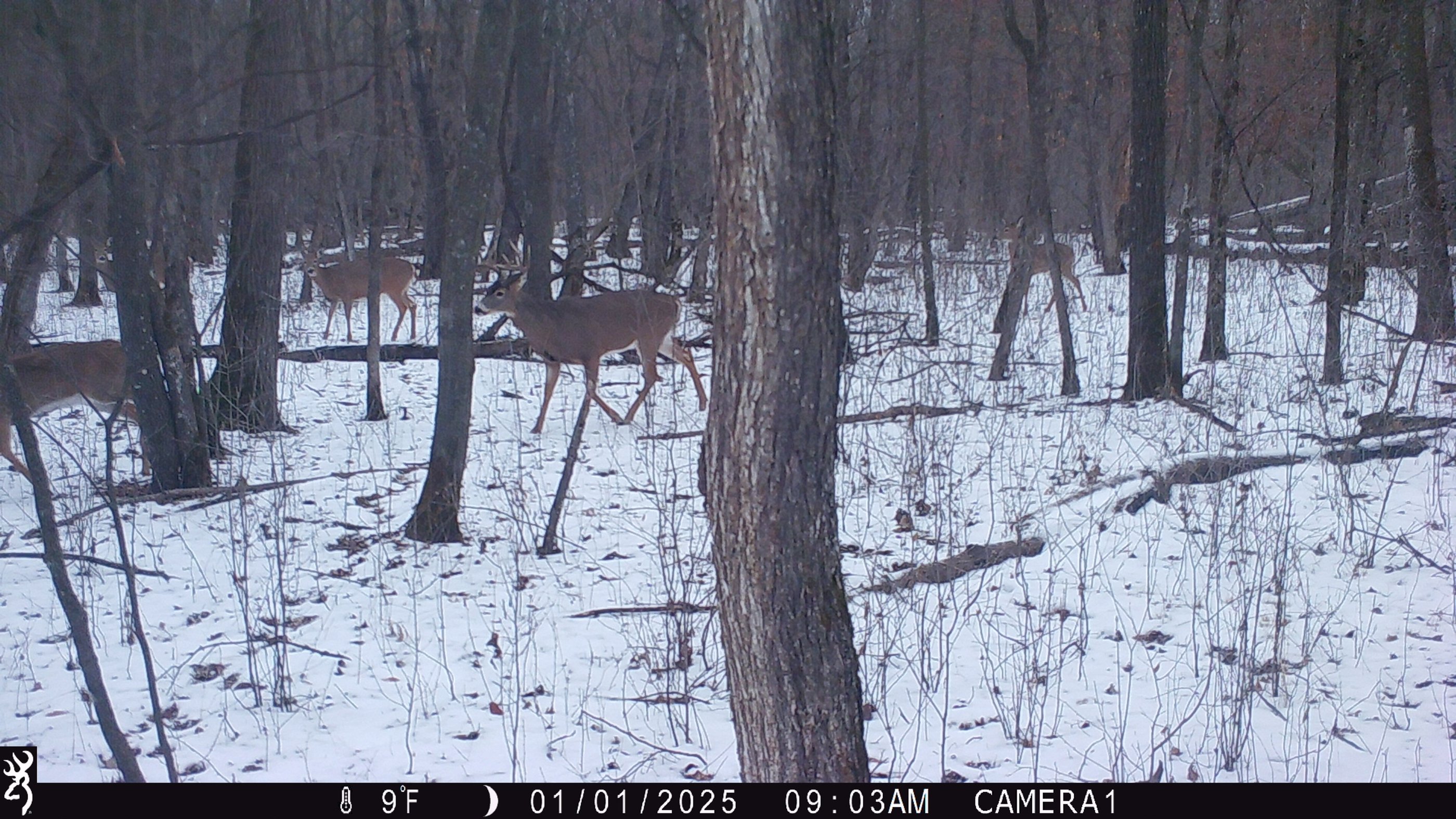
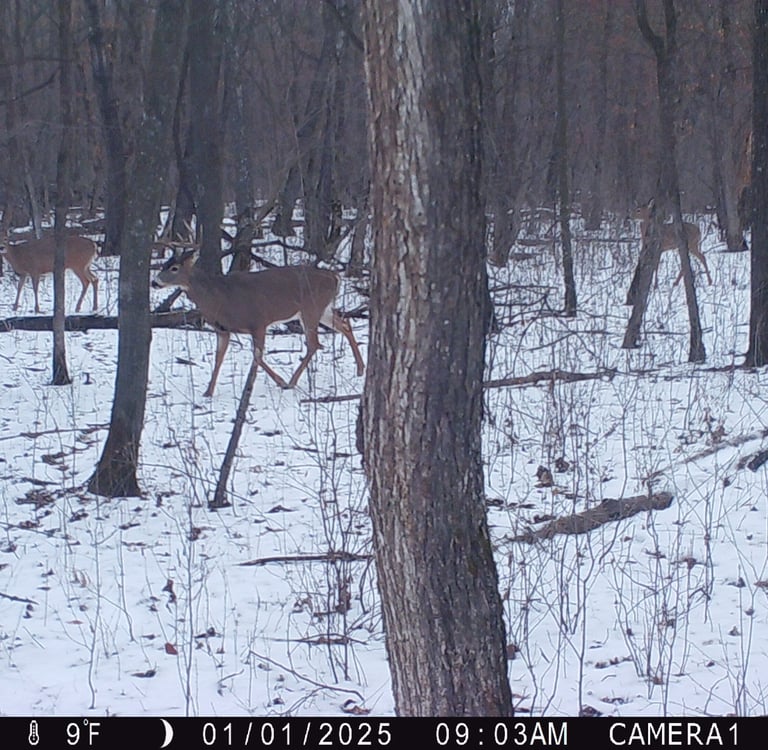
Pressure determines whether a property holds deer during the late season. If your land has been heavily hunted throughout the weeks leading up to the end of the season, expect activity to be minimal or nonexistent. Deer are pushed into the lowest-risk areas available, often to unpressured properties that provide thermal cover, and unpressured food.
Very few properties are managed with the ability to hold deer through the late season. That reality creates a significant advantage for those who do. Unpressured land pulls deer from surrounding properties that have been over-hunted.
Another often overlooked benefit of the late season is reduced competition. Many hunters have already tagged out, given up, or simply can’t handle cold weather. For disciplined hunters with proper strategies, the late season offers some of the best hunting of the entire year.
Morning Bedding Sits and the Third Rut
Evening food sources should remain the primary focus during the late season. However, there is still opportunity for morning hunts when done correctly. During the final days of December, a third rut can occur, with more a more defined activity window in the northern region of the country.
Does that were missed during the primary and secondary rut must still be bred to avoid late-born fawns the following spring. While subtle, this late breeding window promotes mature buck movement.
Capitalizing on this opportunity requires the right location and good access. Morning sits should only be hunted where entry and exit are foolproof. Under no circumstances should a morning sit compromise a high-odds evening food source movement. Entry must occur well before daylight and in areas far from feeding and staging areas.
Focus on bedding areas associated with high stem count and thermal protection. Conifer thickets provide protection from piercing winds and the bitter cold. During severe conditions, deer often move during the warmest part of the day, typically late morning to mid-day. Typically, movement will be greatly suppressed during extremely cold conditions, thus your efforts should be allocated to hunting temperature warm ups when feeding conditions improve.


Doe Patrol
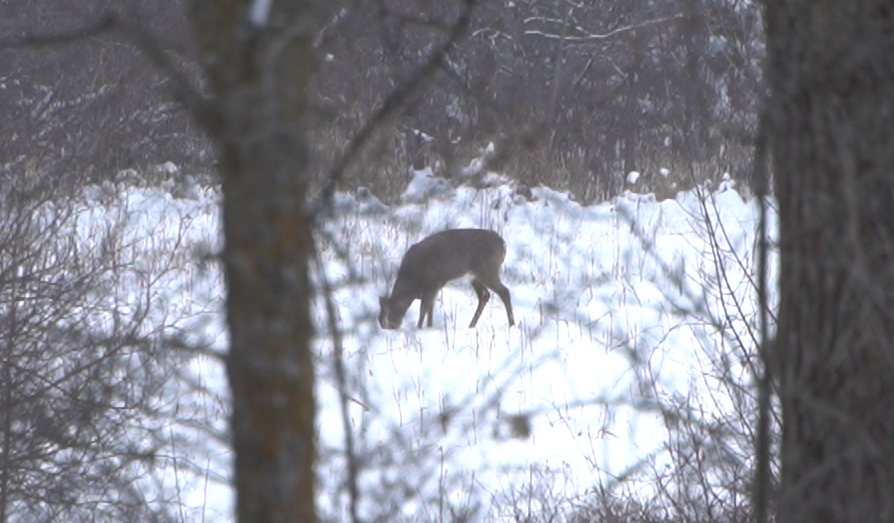
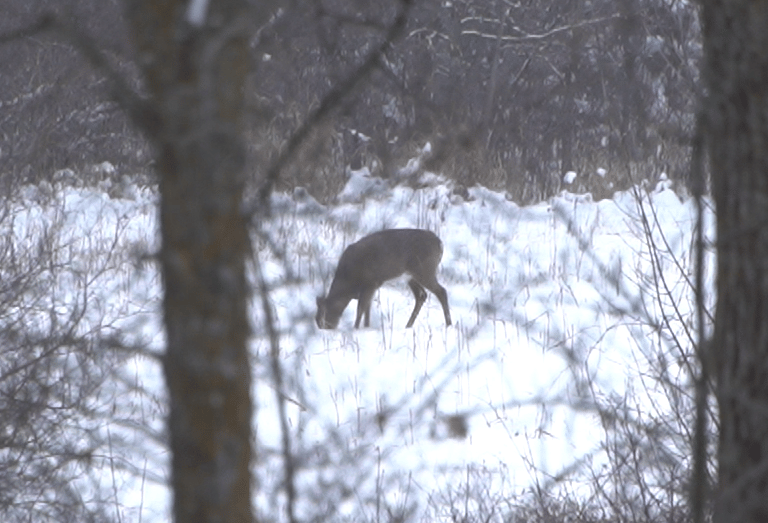
The late season is the best time to harvest does. At this point in the season, herd numbers are clear, and harvest decisions can be made. Early season can also be productive, but late season allows managers to adjust based on actual survival and harvest results.
As emphasized throughout other Whitetail Systems and Services articles, the worst time to remove does is during the heart of the season, unless you already have a buck on the ground requiring recovery. Late-season doe harvest improves habitat balance and can reduce winter stress.
Be Mobile and Adaptable
Late-season success requires being flexible. Too many hunters remain loyal to stands that performed well earlier in the year, even when fresh sign clearly indicates a shift in deer movement. What works in September rarely works in late December.
Stay mobile by hunting current sign. Be willing to move with changing food availability and bedding preferences. This principle applies especially to public land, where pressure and food availability can change rapidly. Late-season hunters who adapt quickly consistently outperform those who do not.
Conclusion
The late season offers some of the most predictable and rewarding hunting of the entire year. Deer behavior is simplified, pressure is reduced, and daylight movement becomes concentrated around food and security. When paired with proper access and unpressured food sources, properties become a late-season magnet for whitetails.
Success during this time is not accidental. It is the result of disciplined habitat management, intelligent hunting decisions, and a willingness to let surrounding pressure work in your favor. For those who commit to the late season, the payoff can be exceptional, not just in harvest opportunities, but in some of the most memorable hunts of the year.
Copyright© 2026 WHITETAIL SYSTEMS AND SERVICES, LLC