
MANAGING BUCKTHORN & INVASIVES FOR WHITETAILS
Owen Brick
3/16/20265 min read
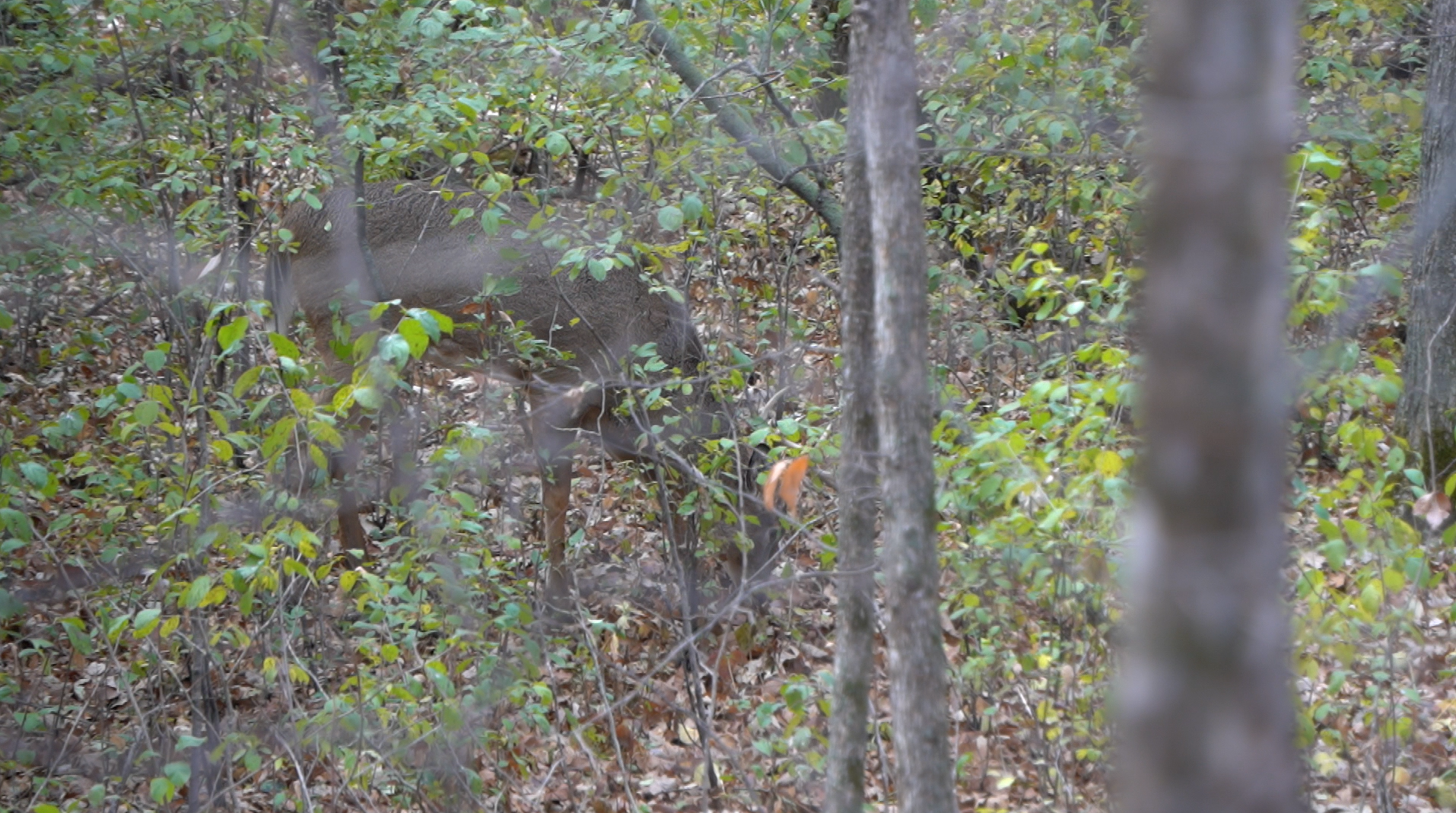
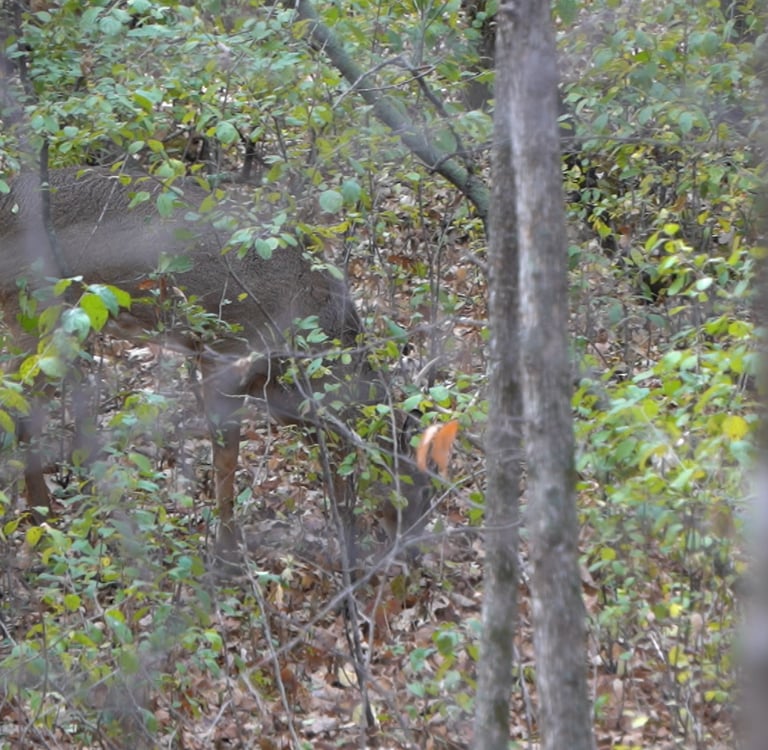
Few things frustrate land managers more than invasive species. They spread aggressively, choke out native plants, and often seem impossible to eliminate once established. For many property owners, the instinct is simple: remove every invasive plant immediately. While that reaction is understandable, it can also create unintended consequences for wildlife.
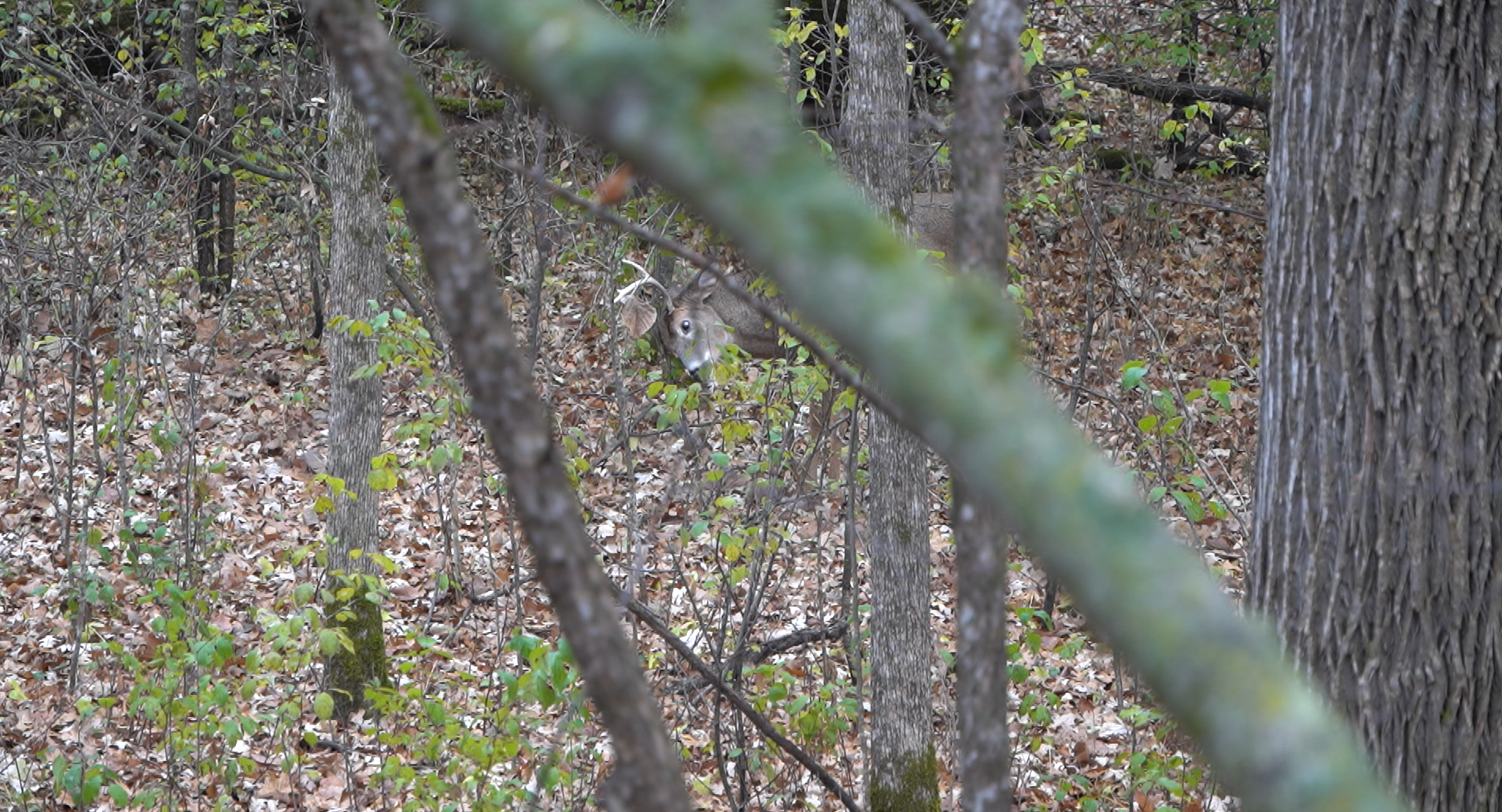
Across much of the Midwest, invasive plants have become the primary form of cover in areas where native habitat has long since disappeared. Removing them without a replacement plan can leave a property completely exposed, eliminating the very bedding cover deer and other wildlife rely on to survive.
This doesn’t mean invasive species are beneficial. Far from it. But it does mean the approach to managing them must be thoughtful and strategic. In this article, we’ll look at the real impact invasive plants have on whitetail habitat, take a closer look at buckthorn, and discuss how to remove invasives responsibly without creating a wildlife wasteland in the process.
Understanding Invasive Species
Most hunters and landowners are familiar with invasive species, but fewer understand the role they actually play in wildlife habitat. In simple terms, an invasive plant is a non-native species that spreads aggressively and displaces native vegetation. Because these plants often lack natural predators or competition, they can dominate entire landscapes if left unmanaged.
However, it’s important to recognize that not all non-native species are inherently harmful to wildlife. Many plants and animals that benefit habitat today were originally introduced from other parts of the world.
For example:
Most apple varieties were introduced from Asia in the 1700s
Ring-necked pheasants and Norway spruce are not native to North America
These examples provide an important point: the issue is not simply whether something is native or non-native, but whether it disrupts natural habitat and suppresses beneficial natives. True invasive plants do exactly that.
Common invasive species throughout the Midwest include:
Japanese honeysuckle
Autumn olive
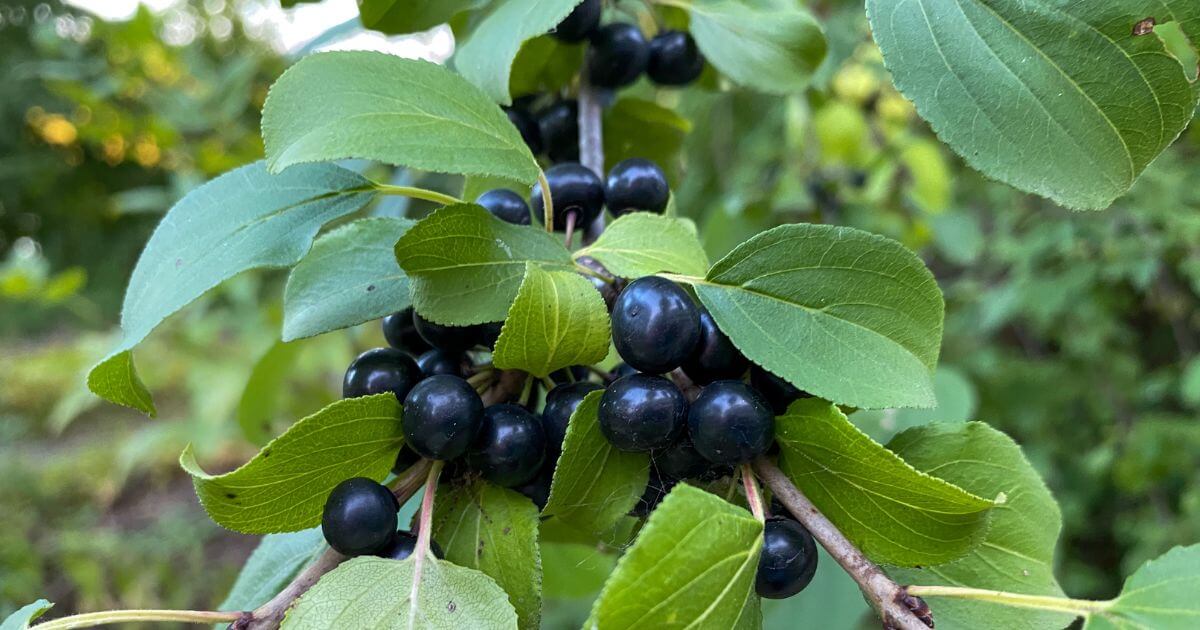
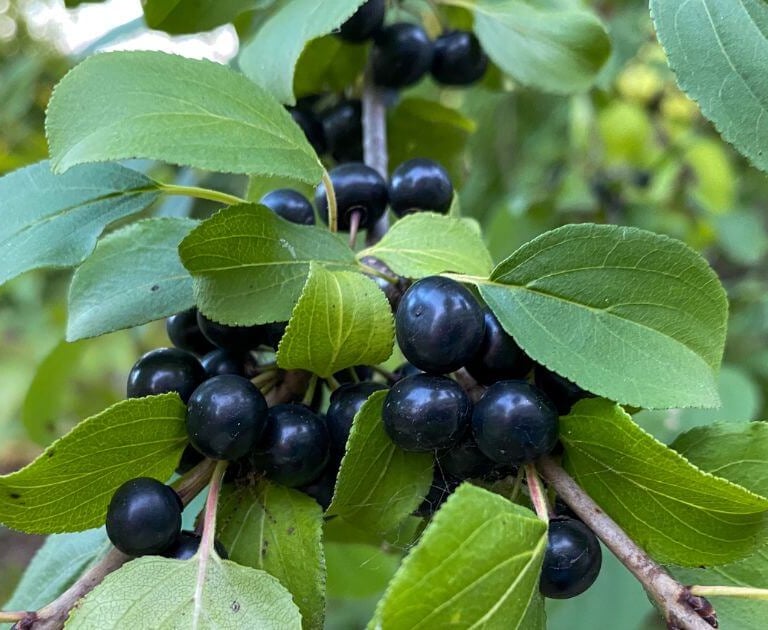
Common buckthorn
Among these, buckthorn has become one of the most widespread and problematic in my home state of Minnesota.
The Buckthorn Problem
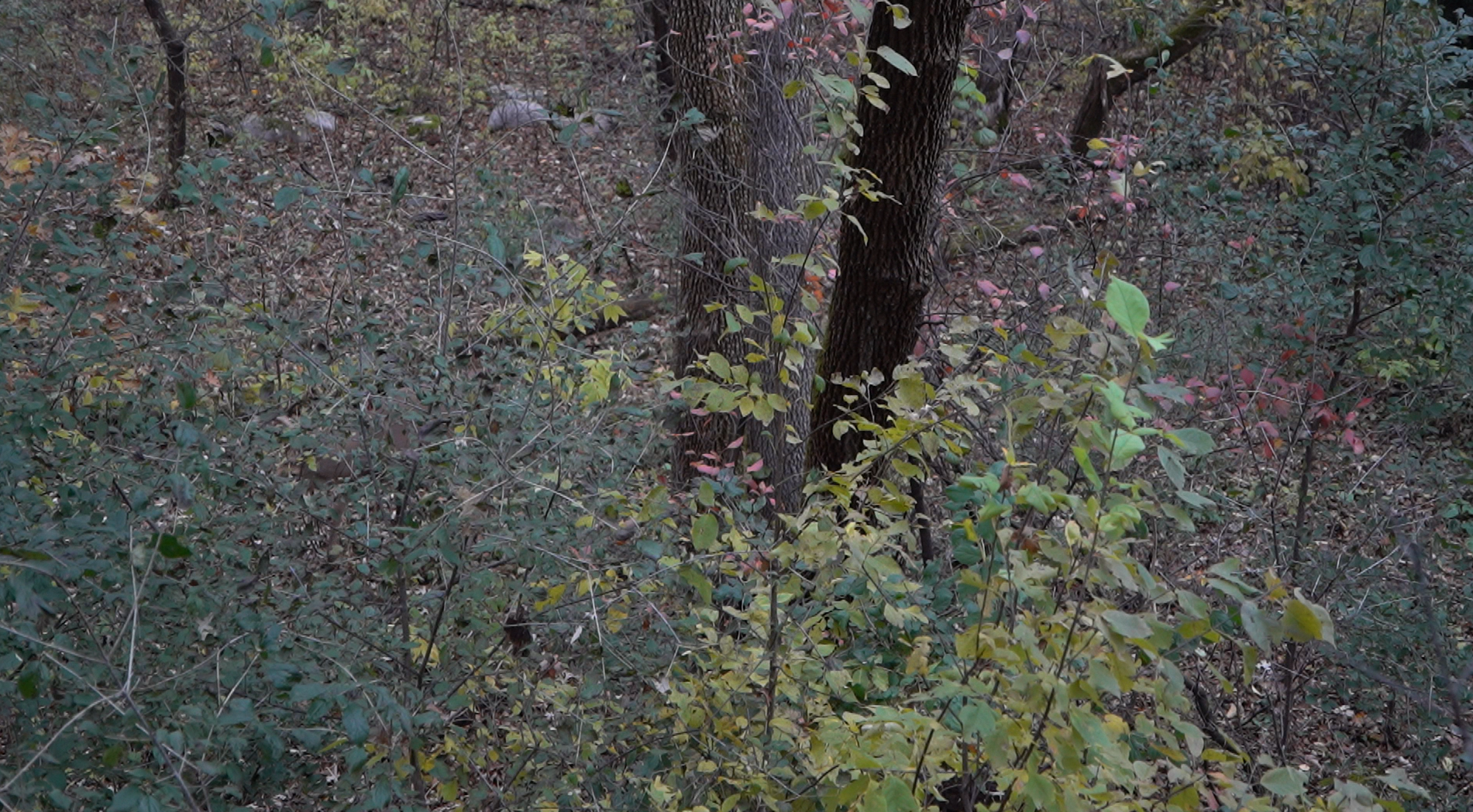
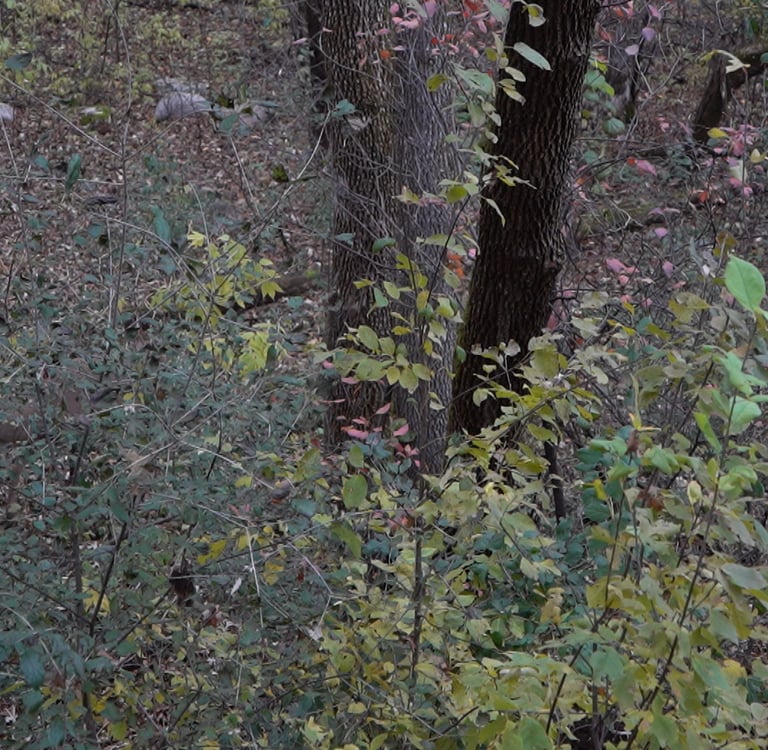
Buckthorn was introduced to North America from Europe in the early 1800s. Originally planted for hedgerows and ornamental purposes, it quickly spread and now dominates large areas throughout the Upper Midwest. Today, buckthorn infestations are especially common in states like Minnesota, Wisconsin, and parts of the Dakotas.
The biggest issue with buckthorn is how aggressively it alters its environment. Dense buckthorn thickets create a shaded understory that prevents sunlight from reaching the forest floor. As a result, native plants, including many high-value browse species, struggle to survive.
Over time, this creates what many habitat managers describe as a “browse desert.” The forest floor becomes nearly barren, with very little vegetation growing beneath the buckthorn canopy. From a whitetail habitat perspective, this is far from ideal.
Deer will occasionally consume buckthorn berries when other food sources are scarce, and they may browse the leaves late in the fall because the plant holds its leaves longer than most native species. However, buckthorn is far from preferred forage. In most cases, deer are eating it as survival food.
Unfortunately, this lack of browsing pressure actually helps buckthorn spread even faster. Deer consume nearly every competing plant around it while leaving the buckthorn untouched, allowing it to dominate the landscape.
The Hidden Dilemma
Despite its many drawbacks, buckthorn often becomes the only available cover in heavily infested landscapes. This creates a difficult situation for landowners.
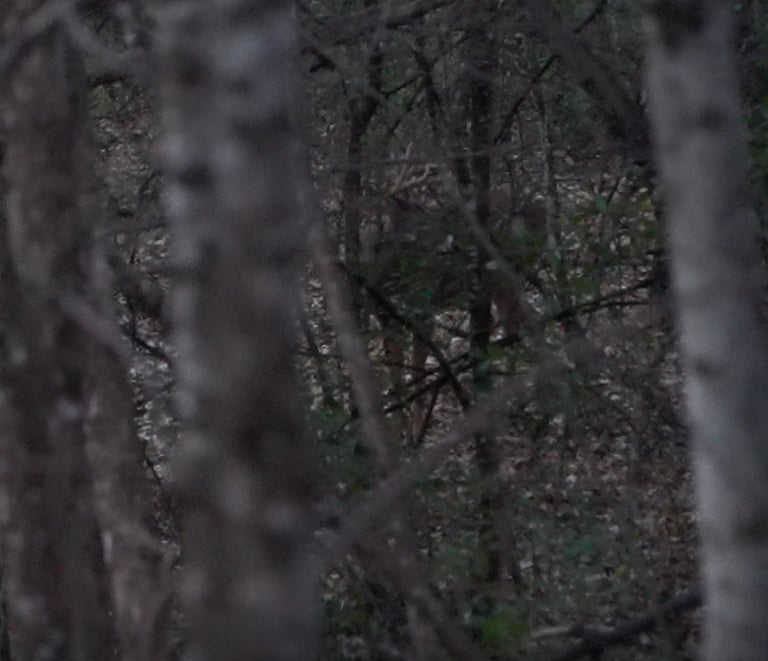
In some areas, if buckthorn were removed overnight, the property would lose nearly all of its bedding cover. Deer and other wildlife that currently rely on those thickets would suddenly be left without cover.
This is why blindly eliminating every invasive plant at once can be a serious mistake. Management should always focus on replacement, not just removal. Without a plan to restore native cover and browse, aggressive removal can actually make a property worse for wildlife, at least in the short term.
A Smarter Strategy for Buckthorn Removal
While buckthorn should absolutely be controlled, the key is doing so in a way that maintains habitat throughout the process. For most properties, the best approach is staged removal. Rather than clearing an entire infestation at once, focus on removing buckthorn in smaller sections while replacing it with desirable vegetation. This gradual approach maintains bedding cover while allowing native plants time to establish.
Target the Seed Producers
When beginning buckthorn control, focus first on female plants, which produce the berries responsible for spreading seeds. Birds consume these berries and distribute the seeds over long distances, rapidly expanding infestations. Removing these seed producers slows the spread dramatically.
Effective Removal Methods
Buckthorn is resilient, and simply cutting the tree often results in aggressive resprouting. For that reason, herbicide treatment is usually required. One of the most effective techniques is the hack-and-squirt method, which involves making small cuts in the trunk and applying herbicide directly into the incision. This kills the root system while minimizing chemical use. Cut-stump treatment is another common option, where herbicide is applied immediately after cutting the plant.
Replace With Better Habitat
Removal alone is not enough. Every area where buckthorn is eliminated should have a plan for replacement cover. Depending on the needs of the property, this may include:
Conifers such as white spruce, red cedar, or white pine to provide long-term base cover
Browse-producing trees like red maple or box elder
Natural regeneration resulting from increased sunlight
The goal is to gradually convert invasive thickets into productive wildlife habitat that provides both cover and food.
Financial Assistance Programs
Removing invasive species is time-consuming and expensive, but many government programs provide financial assistance for the process. State wildlife agencies and conservation programs often offer cost-share opportunities that help landowners control invasives and establish natives. These programs can significantly reduce the financial burden while improving wildlife habitat at the same time. However, the program must allow for removal in stages as recommended above.
Final Thoughts
Invasive plants like buckthorn are undeniably harmful. Left unmanaged, they reduce plant diversity, suppress browse, and degrade wildlife habitat. But effective habitat management requires more than simply removing the problem.
Eliminating invasive cover without a replacement strategy leaves wildlife in danger and little hope for survival. The most successful land managers understand that habitat improvements must be strategic, in stages, and focused on replacement.
By removing buckthorn in stages, targeting seed-producing plants, and restoring native vegetation, landowners can transform invasive thickets into productive habitat that benefits whitetails and countless other wildlife species. If your property is battling buckthorn or other invasives, start with a plan. Replace what you remove, prioritize habitat structure, and work toward long-term improvement rather than quick fixes. Done correctly, the process will take a lot of time, but the results can be worthwhile.
Copyright© 2026 WHITETAIL SYSTEMS AND SERVICES, LLC