
TOP 5 SHED HUNTING MISTAKES
Owen Brick
2/2/20264 min read
Shed hunting is one of my favorite traditions each year, especially when it’s shared with family and friends. There’s something special about spending time in God’s creation and stumbling across antlers left behind. Yet every spring, I see hunters return frustrated, empty-handed, or wondering why their results never seem to improve. More often than not, the problem isn’t effort, it’s avoidable mistakes. Understanding and correcting these common mistakes can dramatically increase your shed hunting success this season.
Timing is Everything
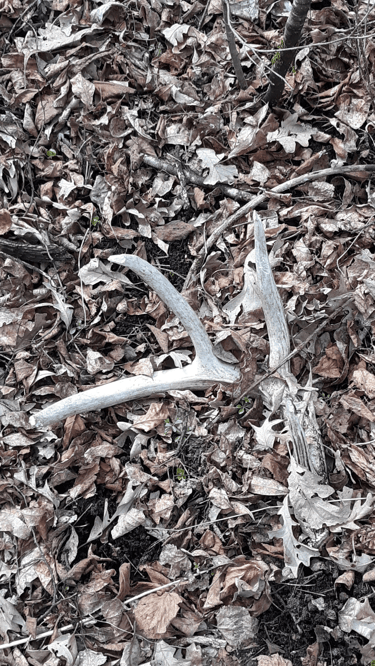
Improper timing is, without question, the number one mistake shed hunters make. On private land, starting too early can be costly. Pushing bucks before they’ve dropped their antlers often results in sheds falling on neighboring properties where you don’t have access. Patience is critical. Waiting until the majority of bucks have shed ensures you’re not educating or relocating deer unnecessarily.
In most of the Upper Midwest, the bulk of shed dropping occurs in February, with some antlers hitting the ground in early March. While no one prefers chewed antlers, finding one is far better than never finding it at all.
Public land requires a completely different approach. Shed hunting becomes a race. Pressure from multiple hunters pushes deer constantly, and bucks may drop antlers anywhere. Getting out early and returning often increases your odds, even if conditions aren’t perfect.
The Mileage Misconception
A common belief among shed hunters is that more miles equal more antlers. While covering ground can help, it’s far from necessary. Most sheds are found in predictable areas. Food sources, bedding cover, and the travel routes connecting them account for the majority of shed locations.
Instead of walking aimlessly, focusing your efforts on these key areas leads to better results with far less effort. Purposeful movement always outperforms random wandering.
Sunny Days
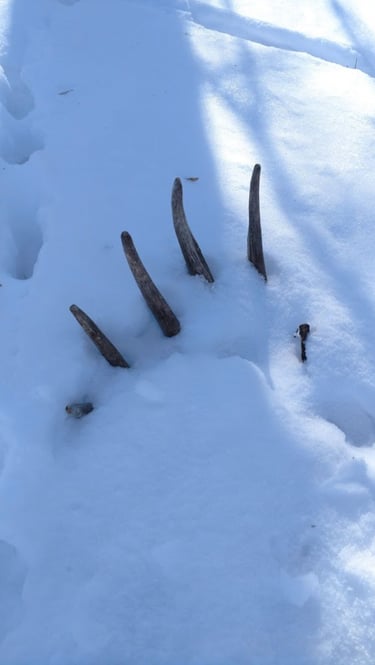
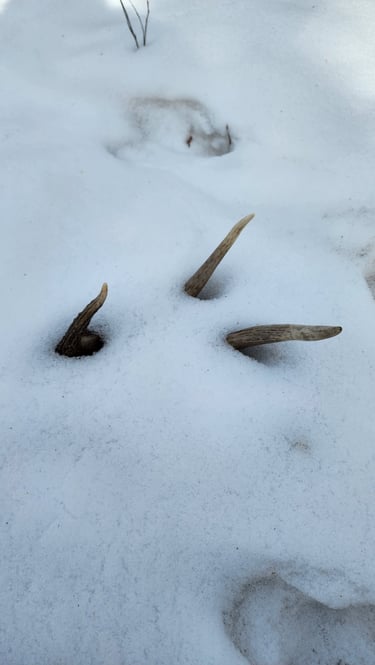
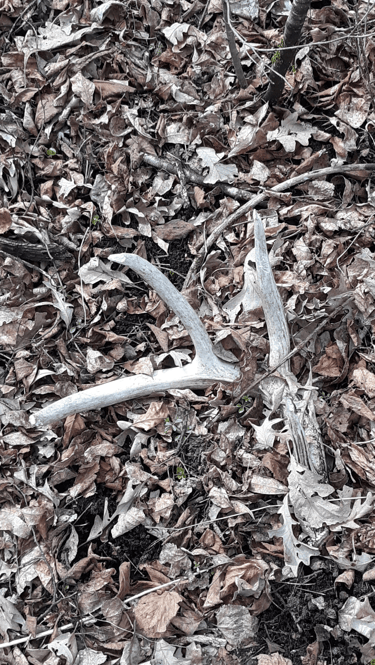
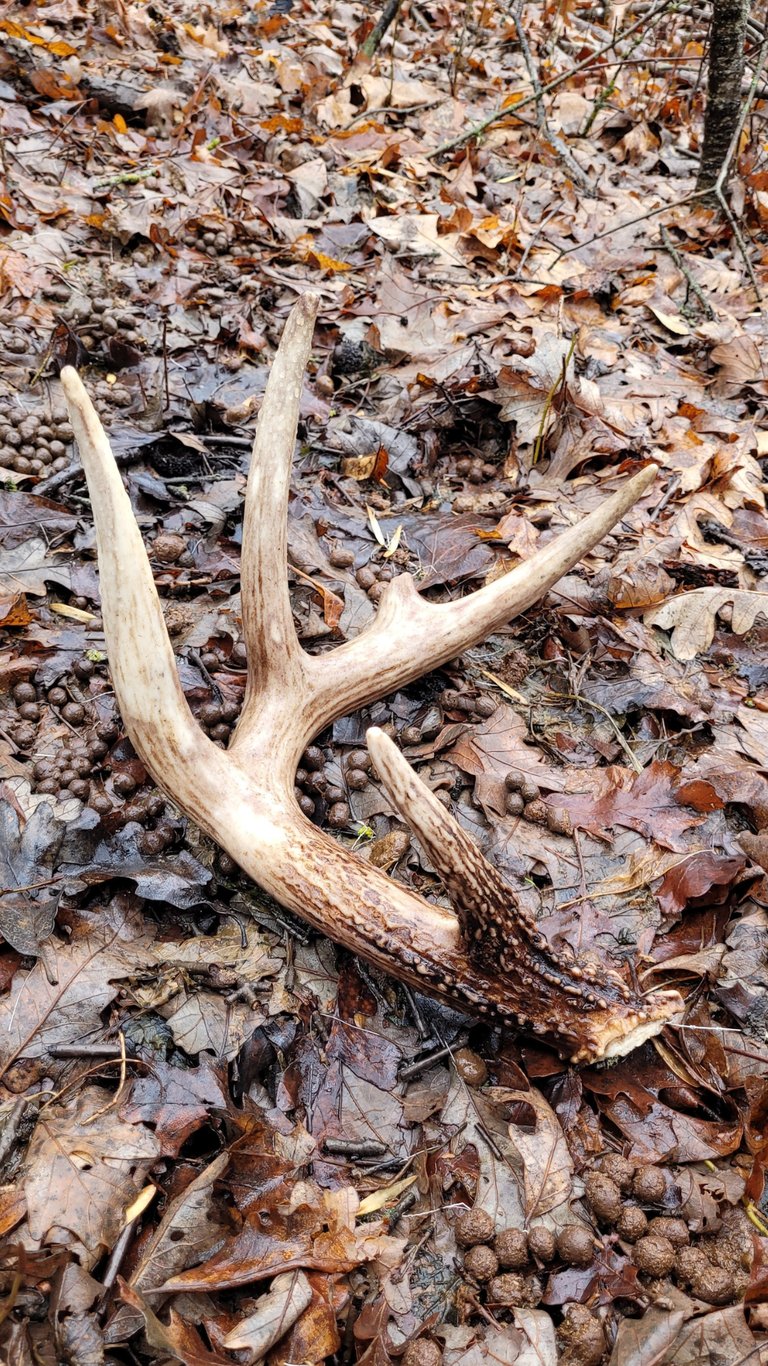
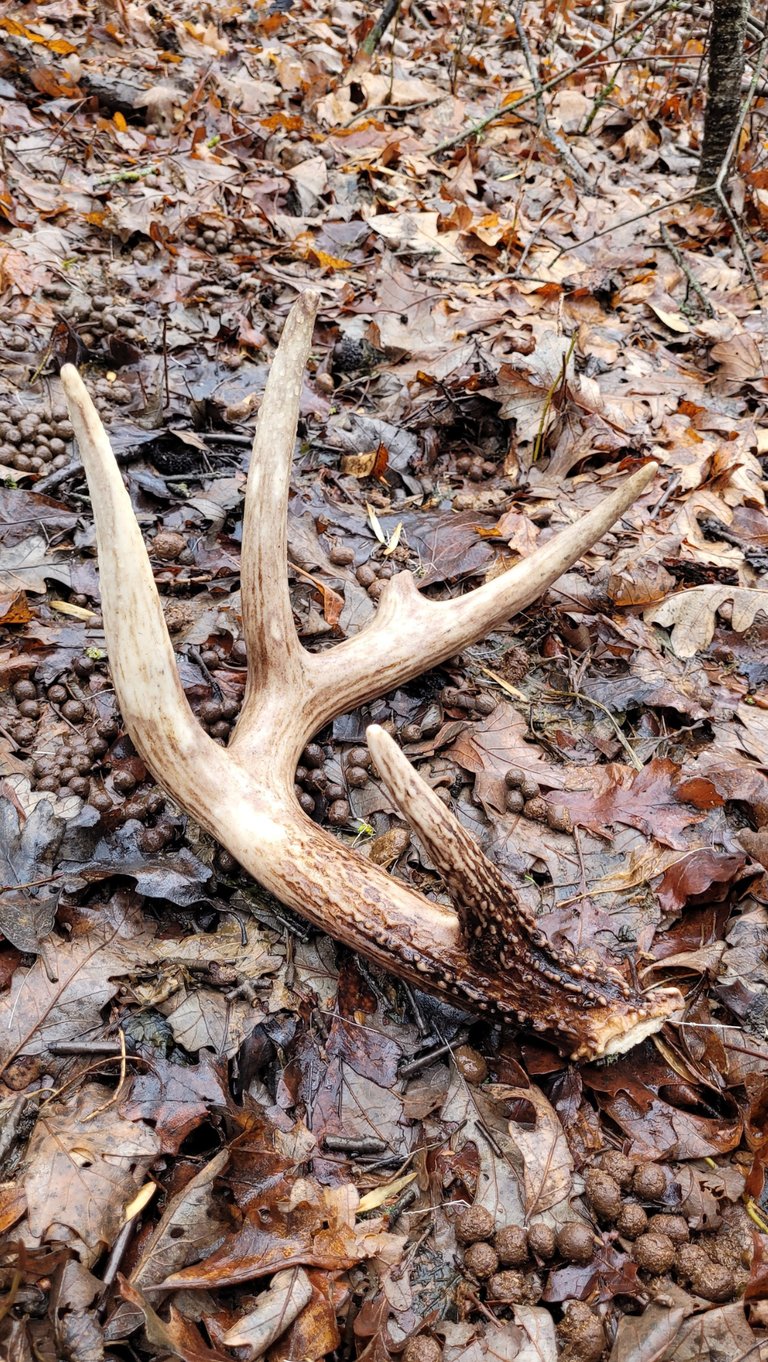
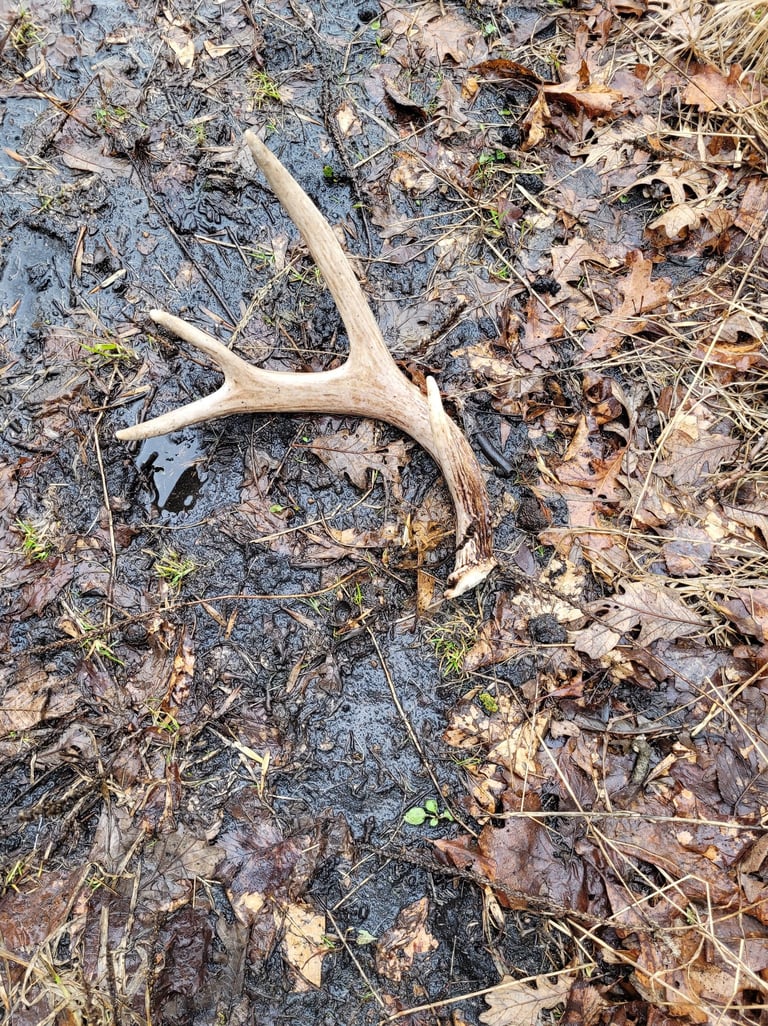
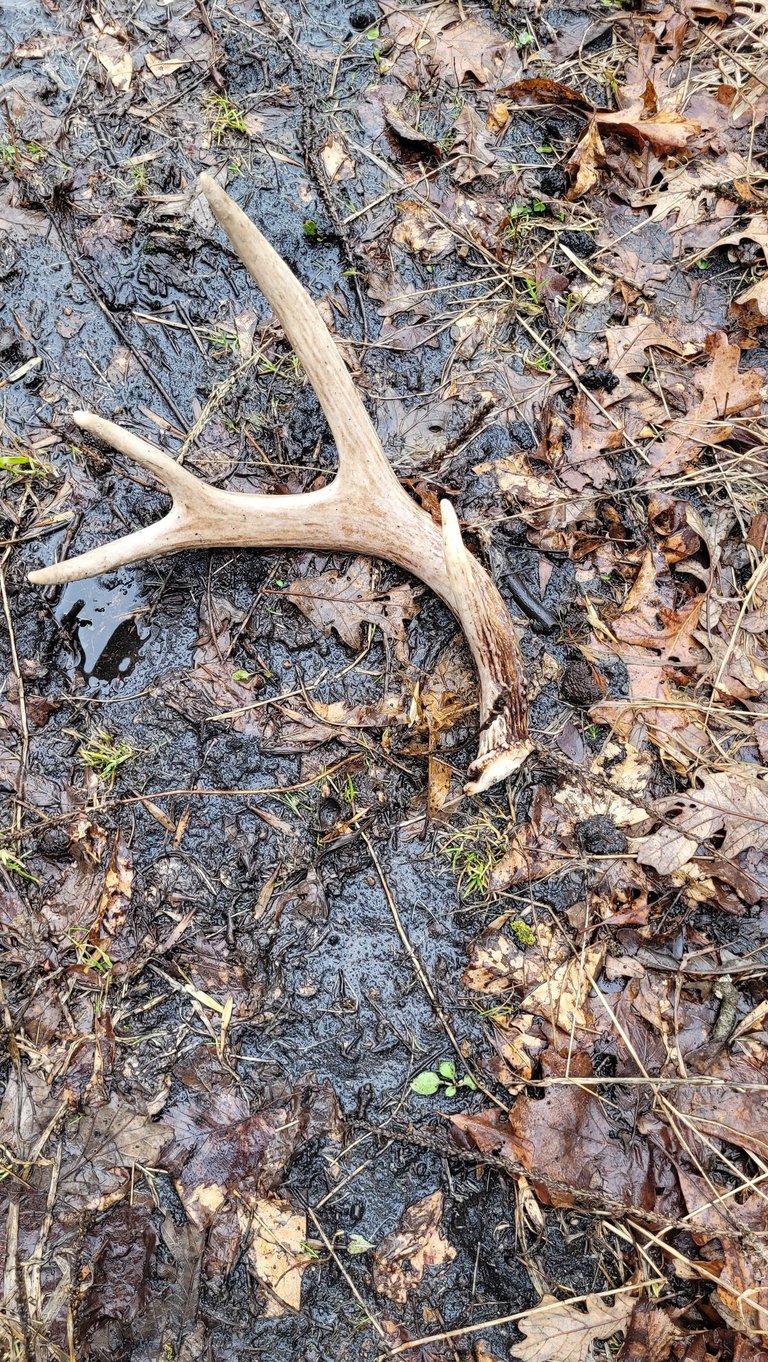
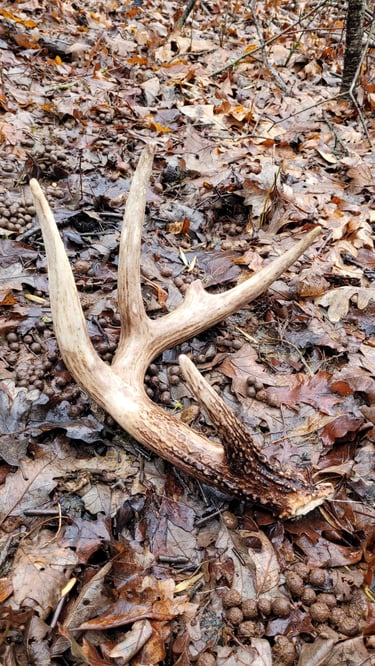
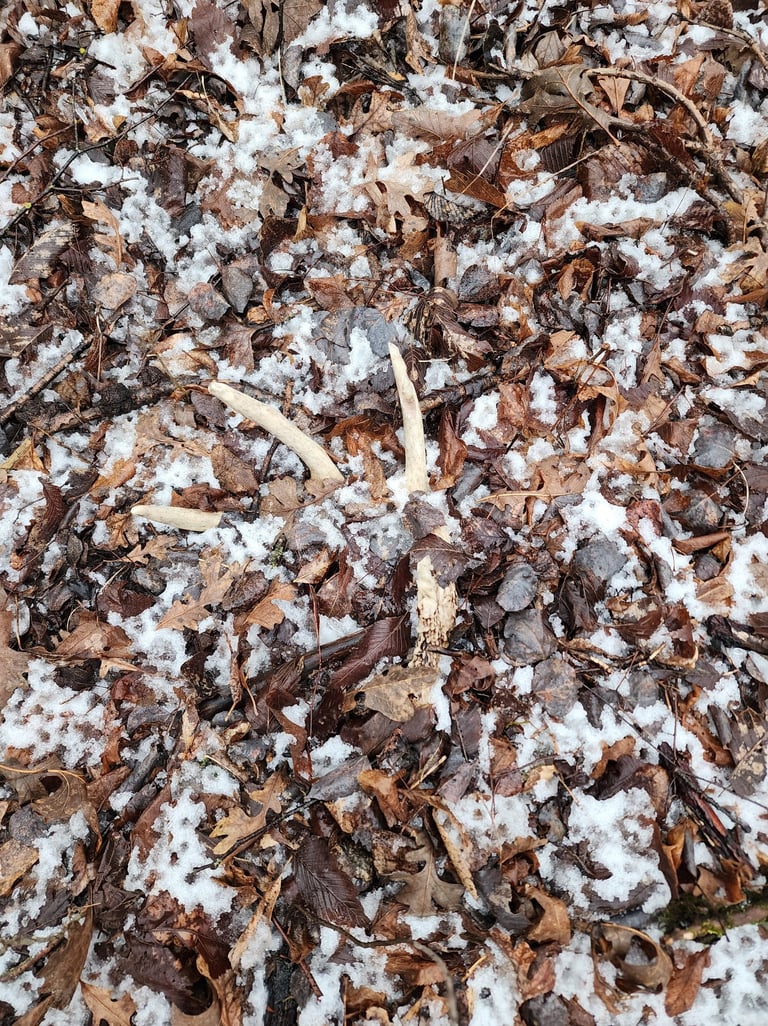
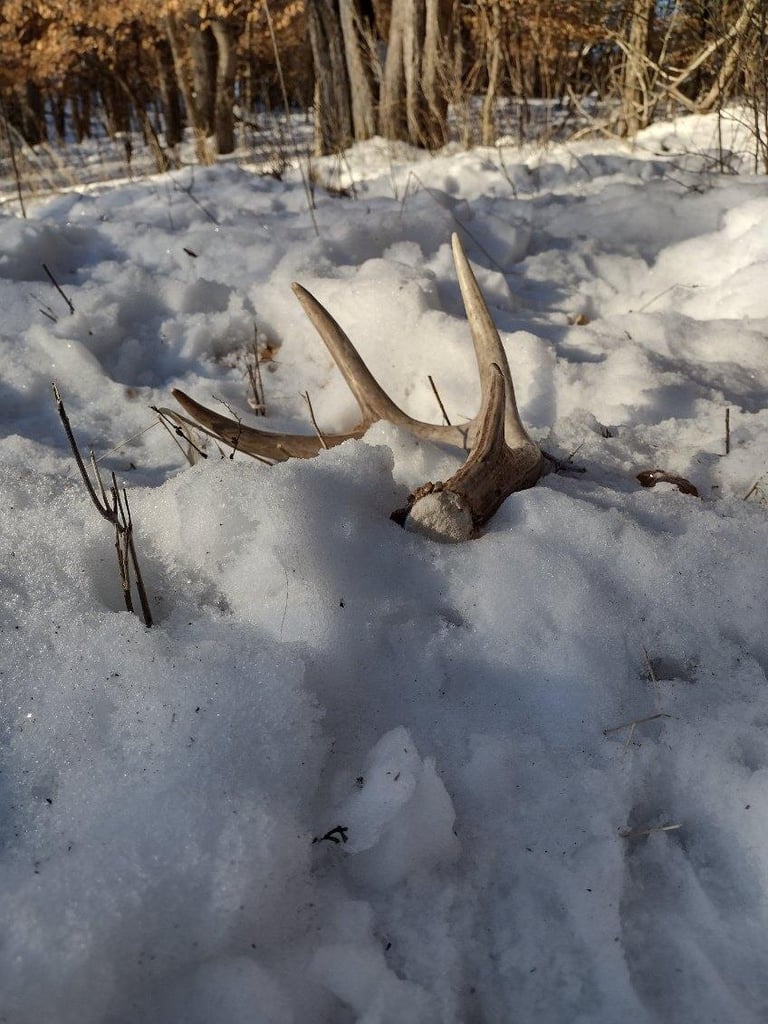
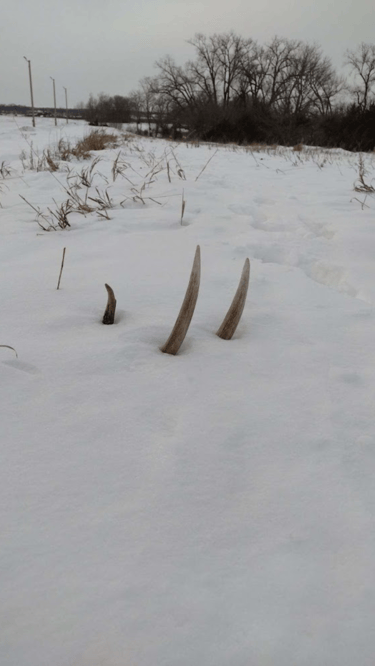
Bright, sunny days are rarely ideal for shed hunting. Bright sunlight washes out contrast and makes it harder to spot the white of an antler against snow, leaves, grass, or crop residue. Overcast conditions, especially after a rain, create the best visibility. Moisture darkens the ground and makes sheds stand out from a greater distance, allowing you to cover areas more efficiently and spot antlers you would otherwise walk past.
Unrealistic Expectations
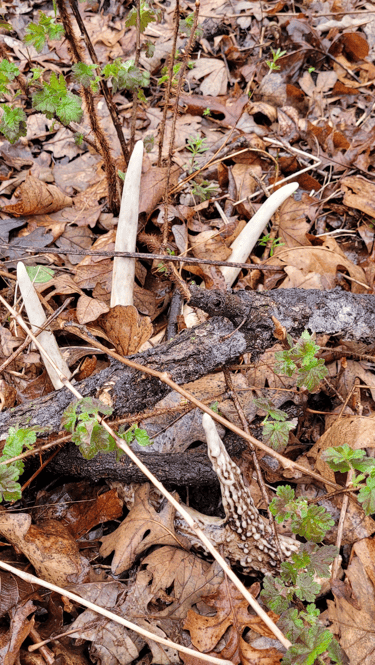
It’s easy to head into the woods expecting to find piles of sheds, but that mindset often leads to disappointment. Shed hunting is unpredictable, and success varies greatly by available food, region, and pressure. When expectations are too high, even a productive walk can feel like a failure.
Some of the best shed hunting days are the ones focused more on enjoying the outdoors than filling a pack. In fact, I’ve found that more than 70 percent of my sheds were discovered when I wasn’t actively searching for them. Letting go of expectations often leads to better results and a far more rewarding experience.
Shed Location ≠ Fall Location
One of the most damaging misconceptions in shed hunting is assuming that where a buck drops his antlers reflects where he lives during the fall. In most cases, this simply isn’t true. Winter survival needs drive deer movement, and those needs often pull bucks away from their fall core areas.
Outside of large agricultural regions where cover options are limited, bucks rarely winter in the same places they frequent during hunting season. Winter movement patterns are dictated by food availability, thermal cover, and pressure. Evaluating shed locations without considering seasonal differences can lead hunters to make poor stand placement decisions the following fall.
Conclusion
Shed hunting success isn’t about luck, it’s about preparation, patience, and purpose. By timing your hunts correctly, focusing on high-probability locations, choosing the right conditions, and setting realistic expectations, you dramatically increase your chances of finding antlers while avoiding common mistakes. Approach each outing with a plan. Identify specific food sources, bedding areas, and travel corridors you want to target, and understand why deer are using them. Shed hunting should be enjoyable, productive, and informative, not frustrating. Apply these principles to increase your shed hunting success this spring and for years to come.

Copyright© 2026 WHITETAIL SYSTEMS AND SERVICES, LLC