
WHITETAIL RUT PHASES & TIMING
Discover when each phase occurs in your area and the strategies to maximize success
Owen Brick
10/27/2025
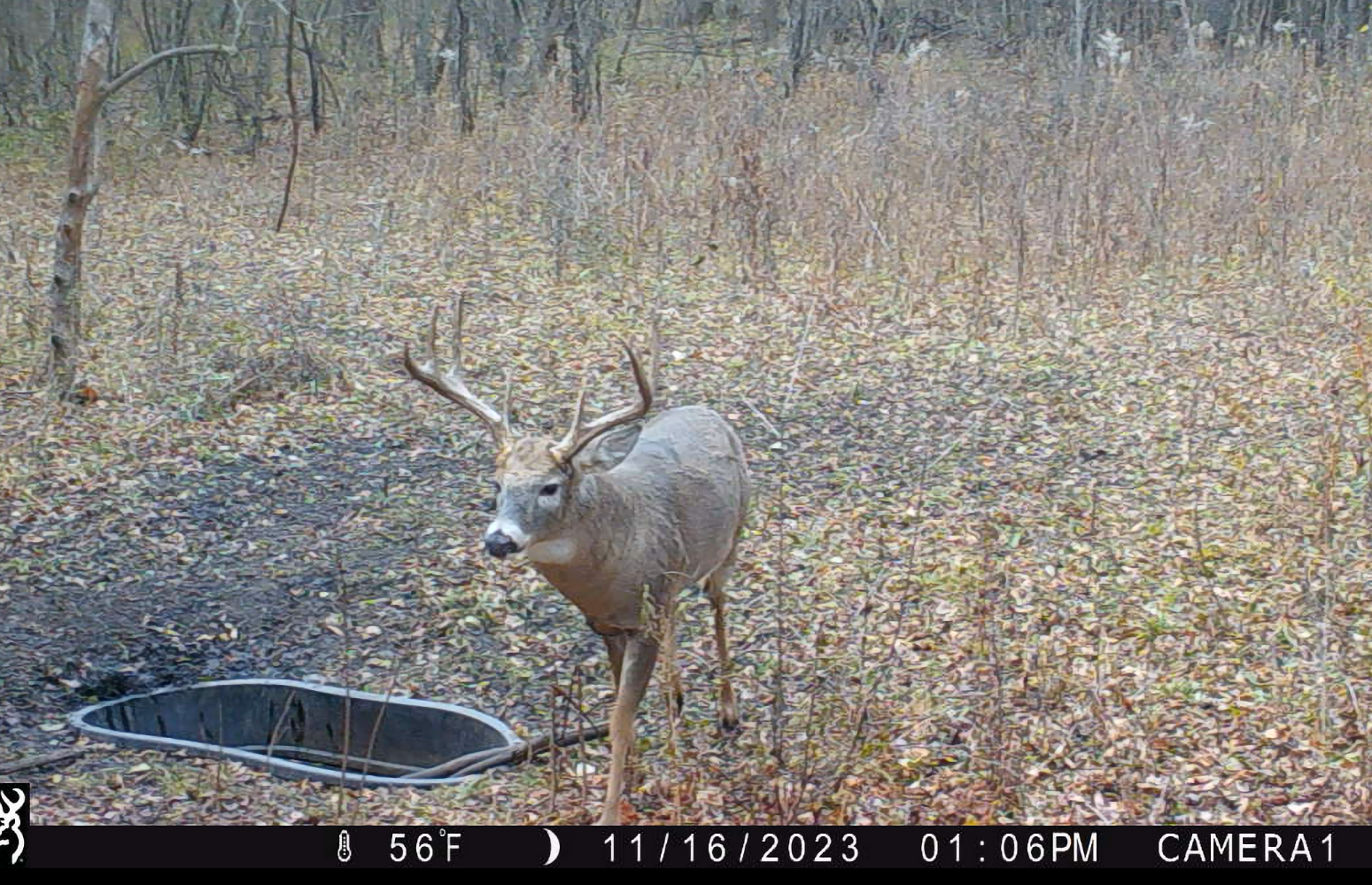
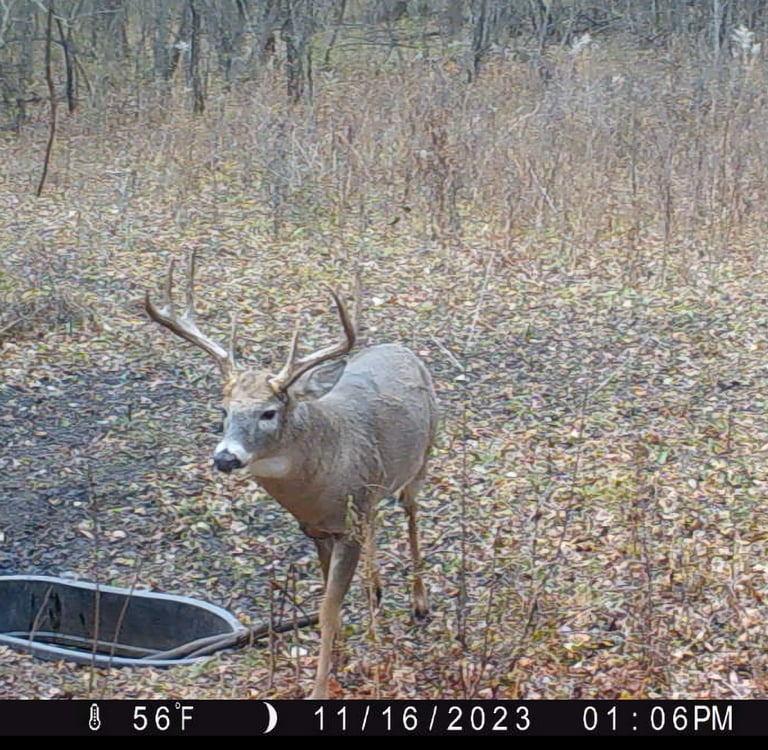
Maximizing your success as a whitetail hunter during the rut depends on understanding each phase and the strategies that go with them. The rut is when many hunters’ dreams come true, but consistent success comes from knowing why deer move the way they do throughout each stage. In this article, we’ll break down the phases of the rut, their timing, and the proven strategies that can help you capitalize this season.
Timing Consistency
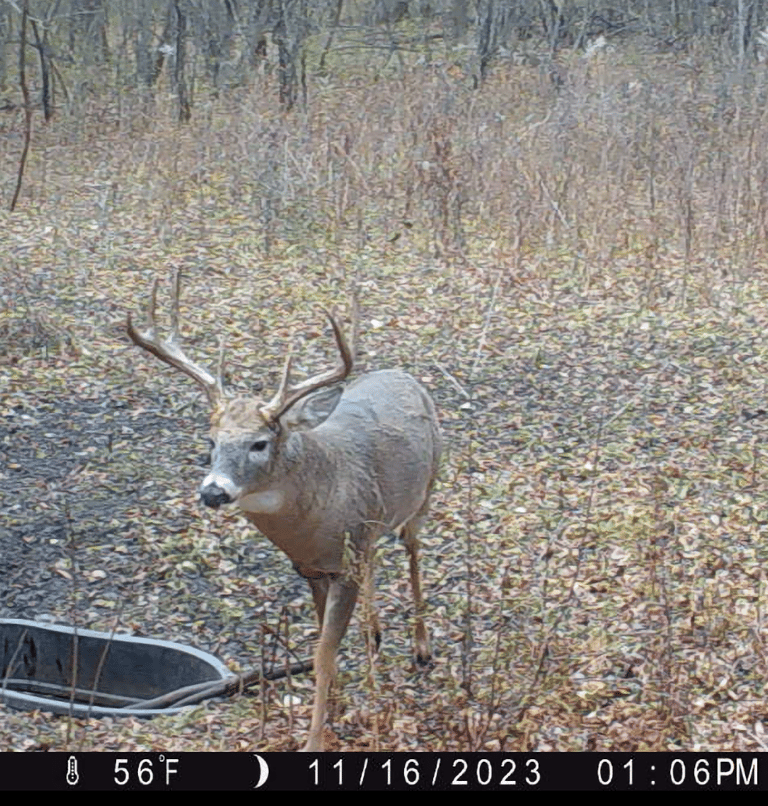
Before diving into strategies for each phase, it’s critical to understand that the primary rut takes place at the same time every single year for your area. Despite the misinformation floating around in the hunting world, environmental factors such as temperature and moon phase do not influence when the rut occurs. Rut timing is a biologically fixed cycle that remains consistent every year.
However, while the timing of the rut never changes, the visibility of rutting activity can vary. Warm weather suppresses daylight movement, pushing activity into the cooler night hours. Similarly, bright moon phases can increase nighttime movement because deer feel safer and more social under the cover of darkness. That doesn’t shift the rut, it just alters when you see it.
Ignore “rut maps” and “rut watches.” They’re misleading and oversimplified. The best indicator of your local rut is your own trail camera history and past observations. The rut in your area happens at the same time every fall, without exception.
Pre-Rut
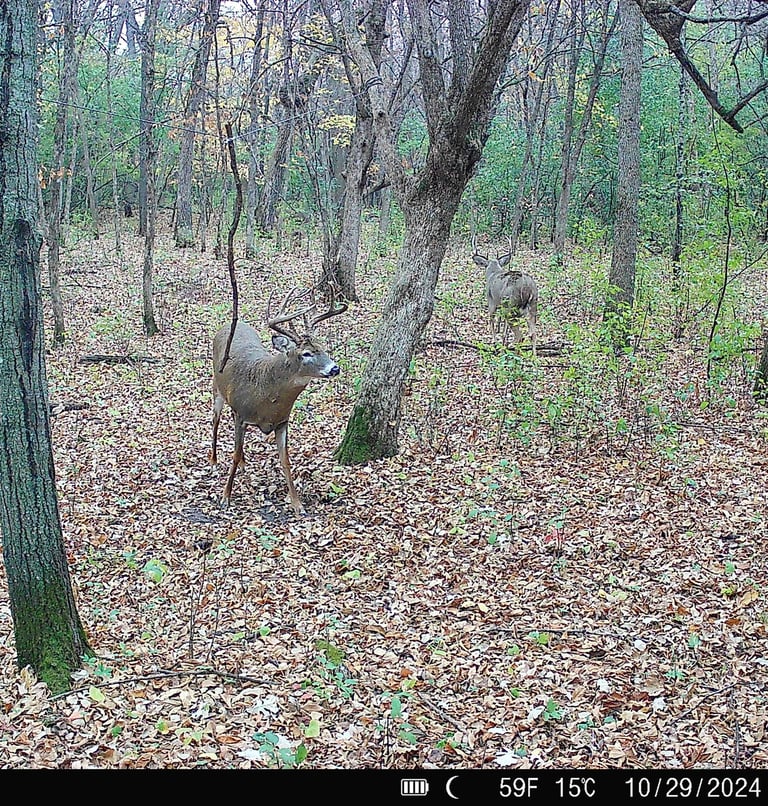
The pre-rut marks the beginning of the most exciting stretch of the season. Bucks are ready or nearly ready to breed, but does haven’t yet come into estrus. Scrapes start lighting up, dominance battles begin, and mature bucks start covering ground.
During this phase, morning bedding area hunts are extremely effective. Bucks begin cruising bedding areas looking for the first receptive doe. Focus on hunting the backside of your target buck’s core bedding area, doe bedding, or the travel routes between bedding areas.
Pre-rut movement is heavily influenced by weather. Bucks won’t burn energy cruising if temperatures are high or winds are extreme. Focus on colder mornings with favorable wind conditions. These are the windows when mature bucks will be on their feet.
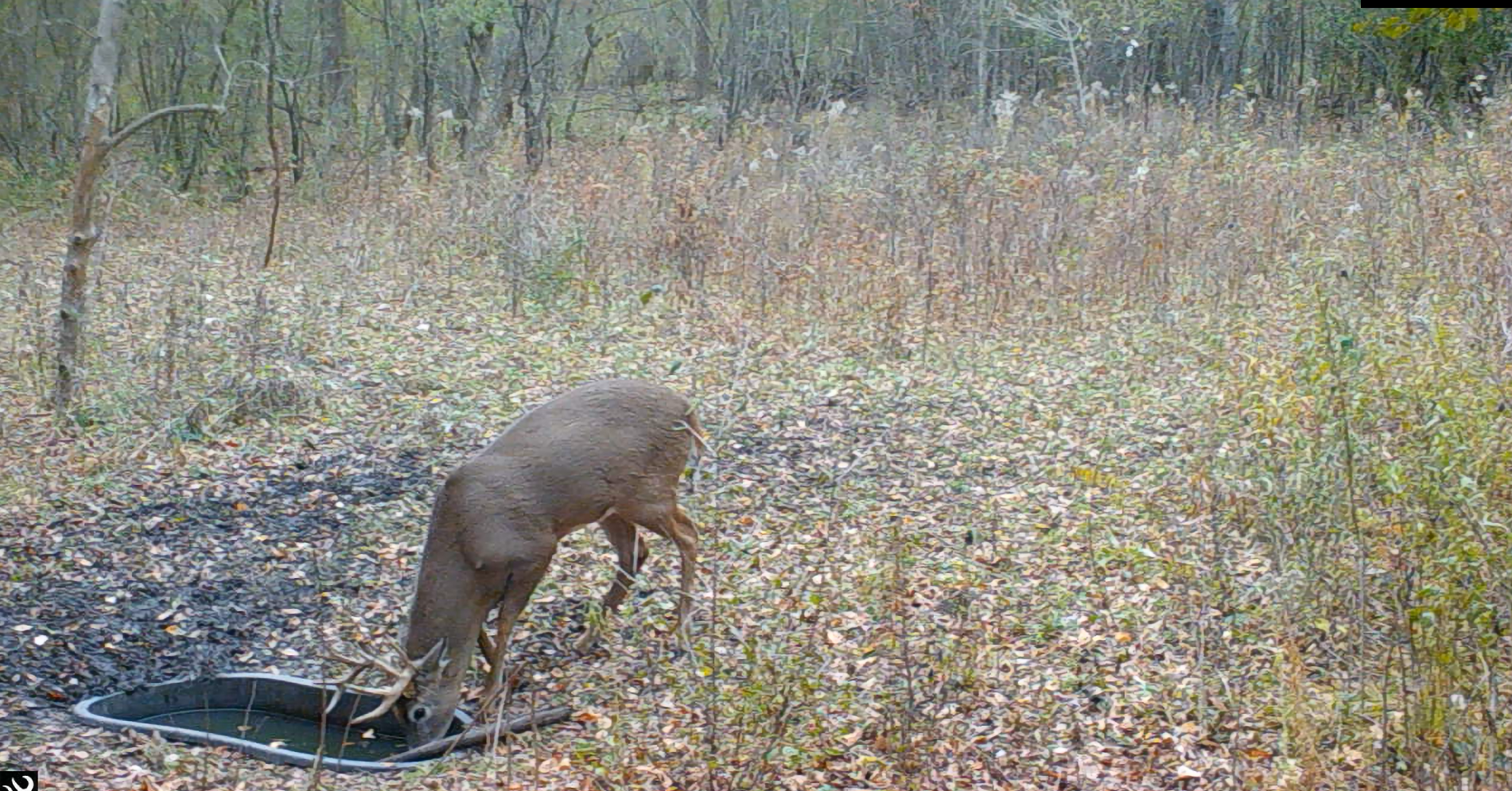
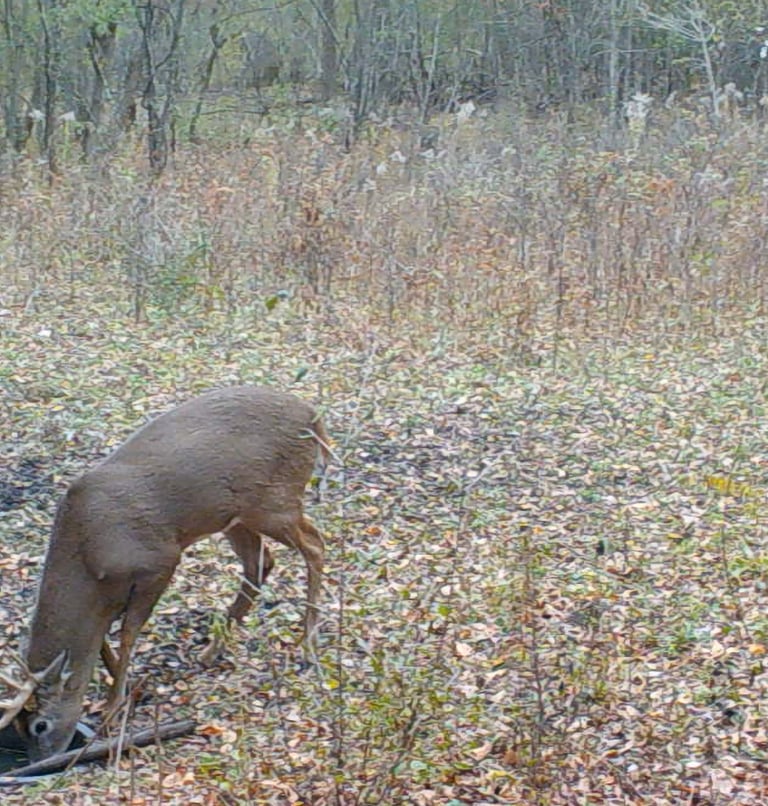
Waterholes are also key. Bucks covering miles need water, and a small, secluded waterhole near bedding offers a low-risk, quick stop. Likewise, mock scrapes become hot communication hubs as bucks assert dominance and does begin leaving estrus scent.
For the upper Midwest, expect pre-rut activity to begin around October 20–24. In the central U.S. (southern Iowa, Missouri, Kentucky, Kansas, West Virginia, southern Ohio), pre-rut generally starts around November 1–5. Farther south, timing becomes more variable without a defined pre-rut window.
Rut Lockdown
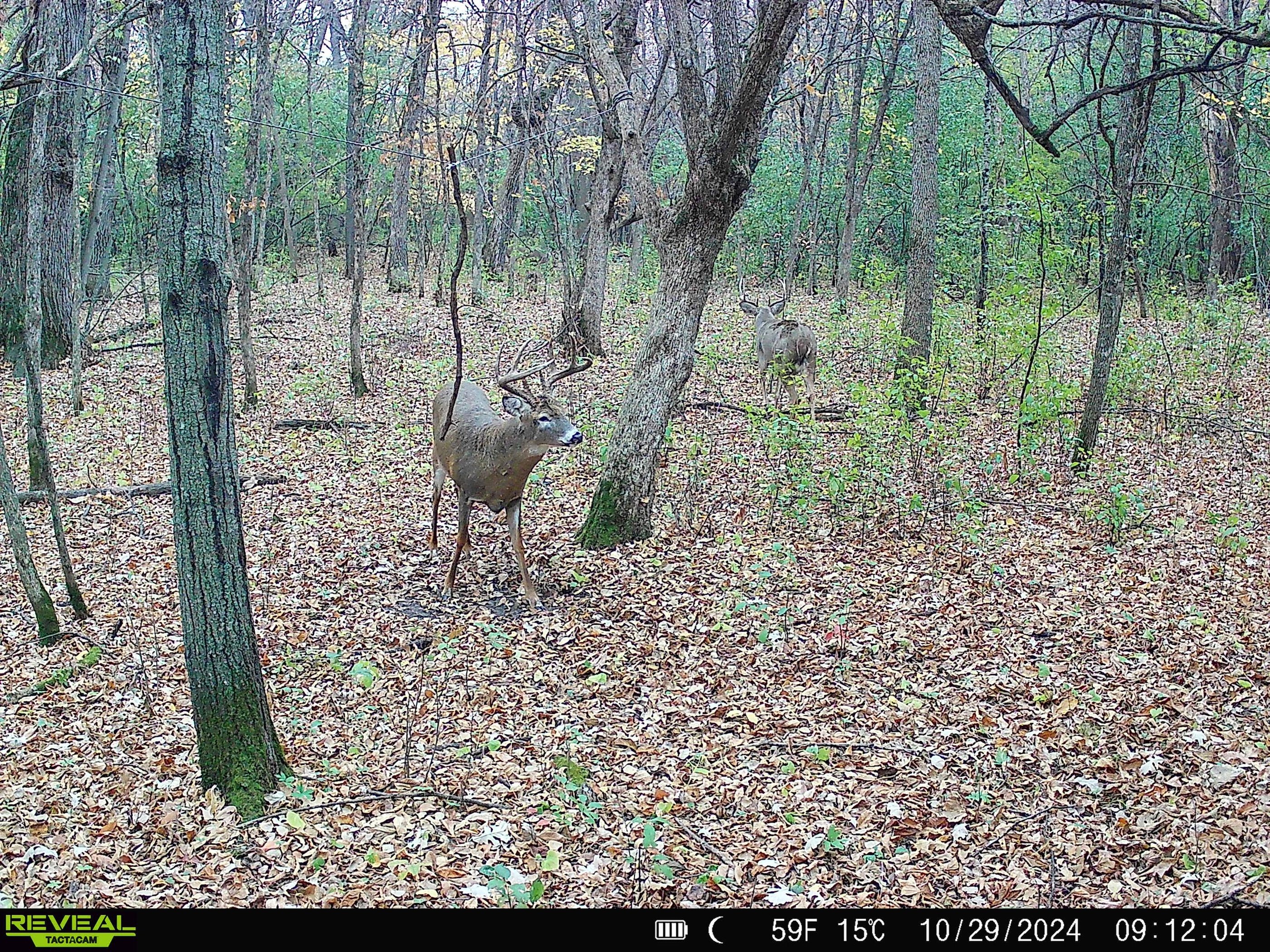
The lockdown phase begins when bucks find and breed their first receptive does. This is when many hunters mistakenly believe “the rut died off,” but in reality, it’s just changed form. Bucks are now locked down breeding, staying tight to the does they’ve found, making movement appear to slow dramatically. Don’t be concerned when scrapes dry up. They will become active again when bucks need to actively search and find his next doe.
During this window, all-day sits can pay off. Bucks can finish breeding at any hour and immediately begin searching for another doe. Hunt near bedding or travel corridors connecting bedding and feeding to capitalize on all day movement opportunities.
The lockdown is the shortest phase of the rut, typically lasting 4-5 days. A single buck may breed 2-4 does during the entire primary rut, which takes time.
In the upper Midwest, expect the lockdown from November 1-5. Further south, it shifts roughly 10-15 days later, depending on location.
Peak Rut
The peak rut is when the rutting activity is at its peak. Many does come into heat, and bucks are relentlessly searching for their 2nd doe. This is when you’ll see the most intense movement and unpredictable encounters.
With the chaos of the peak rut, all-day sits are your best bet. Bucks can show up at any time, in any place. Focus on funnels, pinch points, and travel corridors between bedding and feeding areas, especially those offering secluded cover away from hunting pressure. Hunting over waterholes can also pay off, as bucks often grab a quick drink while cruising between does.
For the upper Midwest, the peak rut typically runs from November 3-5 til the 10-13. In central regions, expect peak activity to start around the 20th of November. Timing varies slightly by region, but the behavioral patterns remain the same.
Post Rut
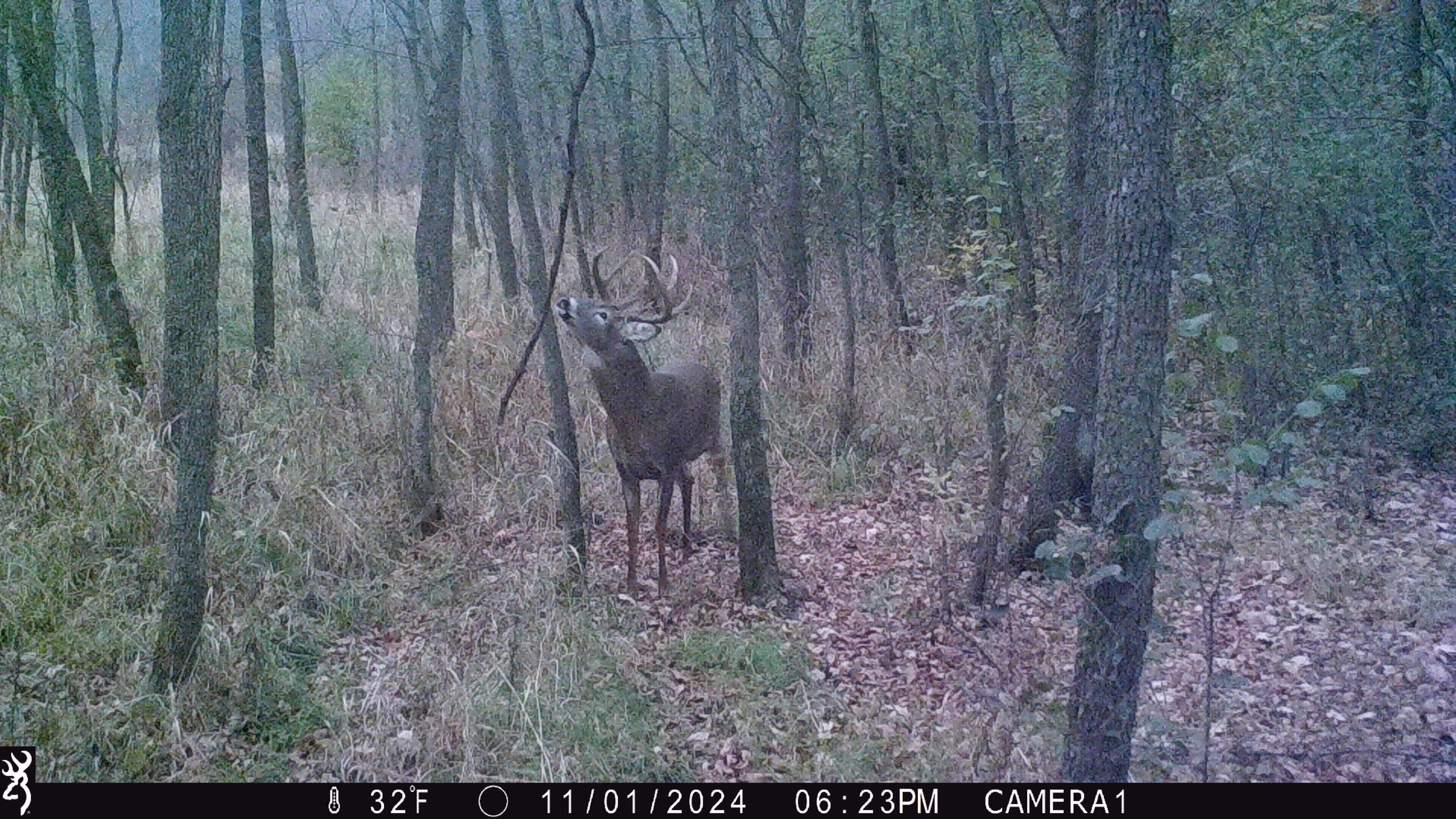
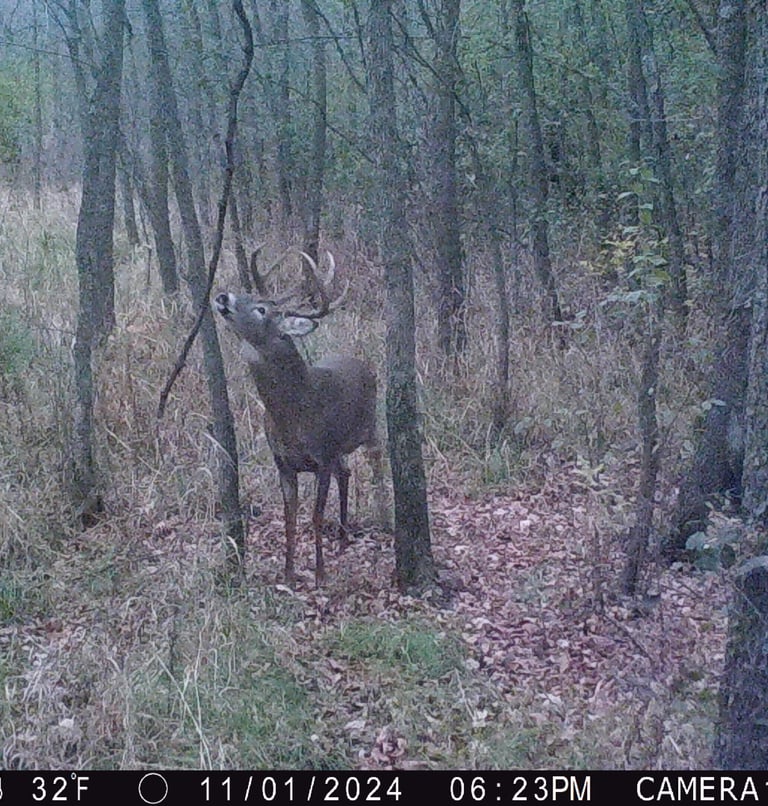
After the chaos of the peak rut, bucks are worn down and daylight movement decreases, but opportunities remain. Does are still coming into heat, though activity is much lighter as bucks focus on recovery.
Mature bucks continue to search, but usually only during favorable, cooler weather. With bodies capable of taking more of a beating, plus years of experience, mature bucks can rut harder, for longer. Younger bucks often shut down completely, having exhausted themselves earlier in the rut. Focus on morning bedding hunts and evening food sources. Post-rut, bucks need quality, unpressured food to recover, and properties that provide it can become deer magnets.
The post-rut window is short. In much of the upper Midwest, it spans roughly November 12–17, depending heavily on weather. Again, very weather dependent.
Second Rut
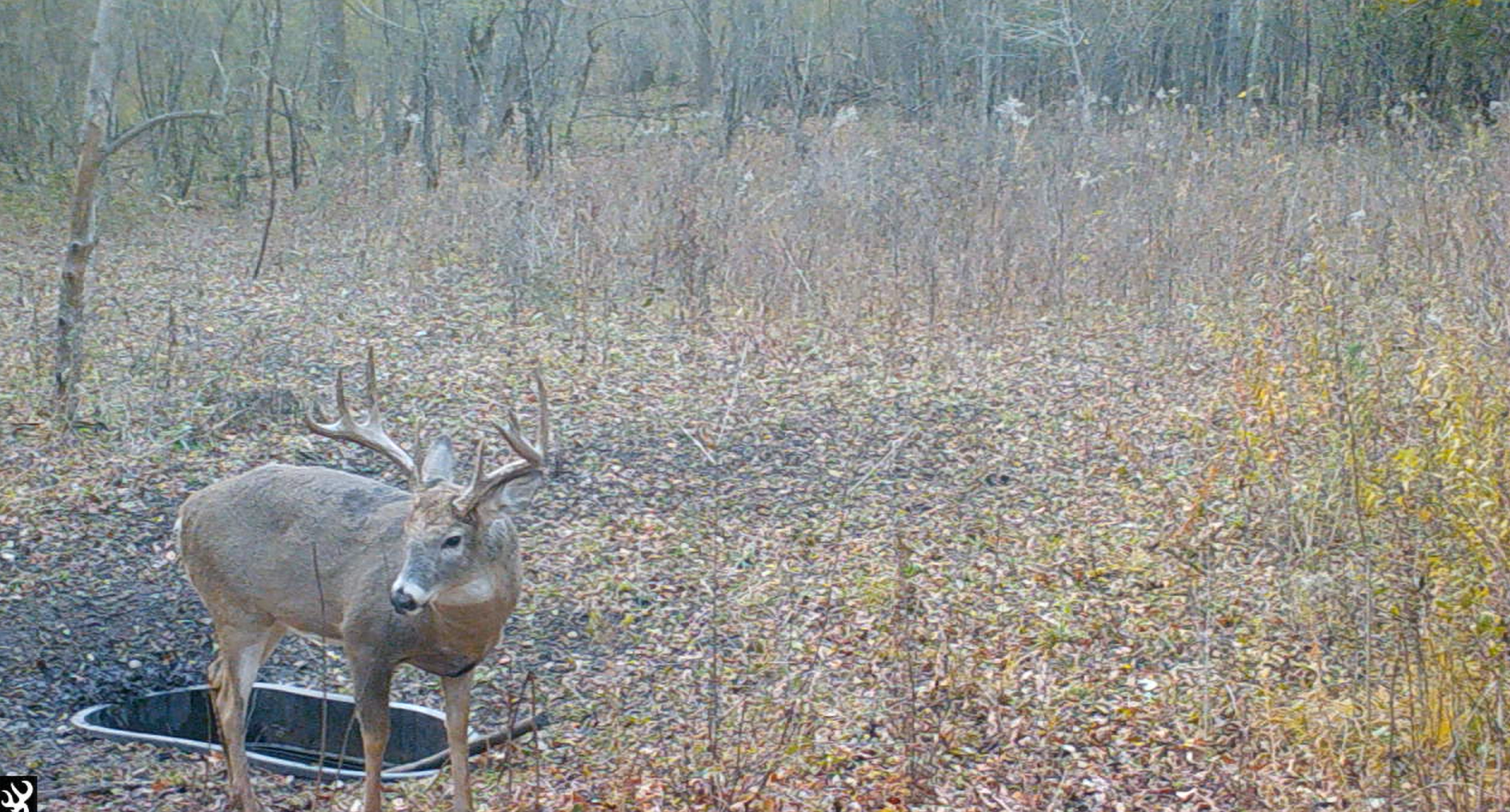
The second rut is one of the most overlooked opportunities of the entire season. This is when unbred does from the primary rut, as well as fawns reaching sexual maturity, come into heat. Because all does come into estrus around the same time during the primary rut, it’s impossible for every doe to be bred, ensuring a second wave. Also, if the weather during the primary rut was unfavorable, you can count on more does needing to be bred in the second rut.
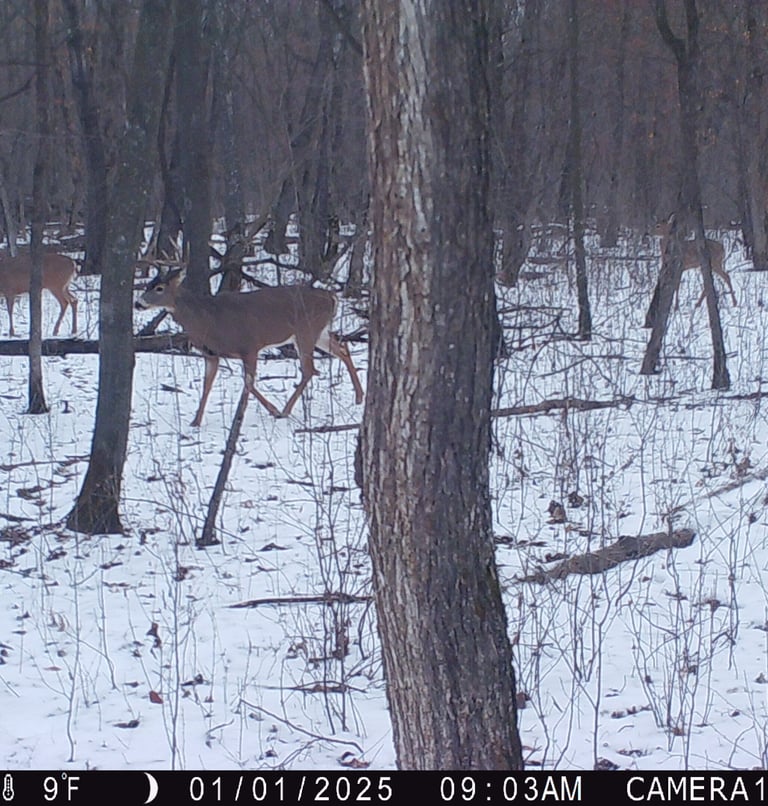
Expect the second rut to begin roughly one month after your area’s primary rut. In the upper Midwest, this usually falls between late November and early December.
Hunt morning bedding areas and evening food sources again during this period. Properties with minimal pressure and high-quality late-season food can pull in deer from surrounding areas. If you’ve hunted conservatively and allowed your land to act as a sanctuary, this can be one of your best opportunities of the year.
Conclusion
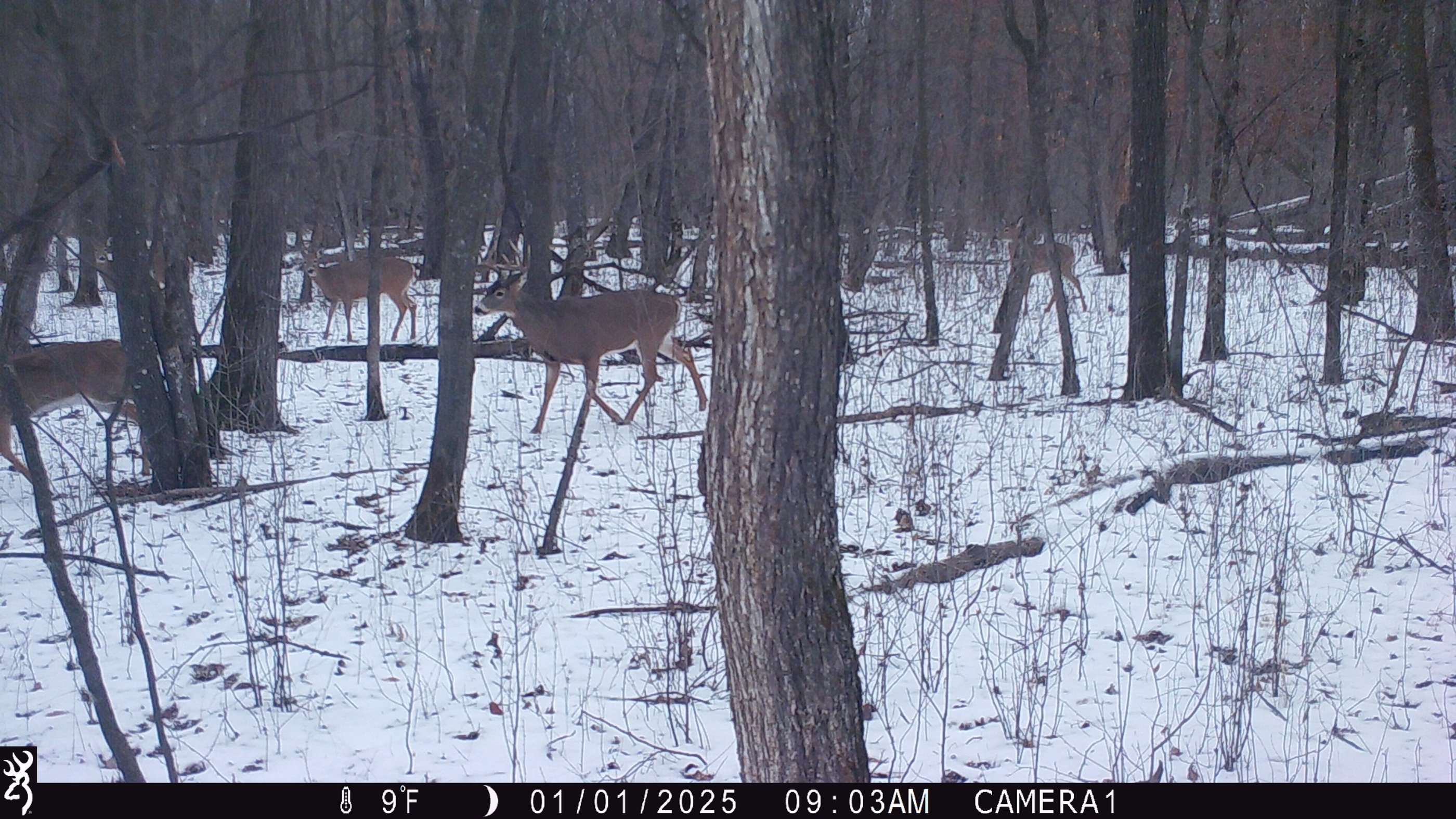
Each phase of the rut offers unique opportunities, and understanding those phases is the difference between simply being in the woods and hunting with purpose. By following this RUT PHASES & TIMING guide, you can identify when each phase occurs in your area and adjust your strategies accordingly. The rut doesn’t have to be confusing. With the right timing, setups, and strategies, you’ll turn the whitetail rut into your most productive, unforgettable stretch of the season for this fall and for years to come.
Copyright© 2026 WHITETAIL SYSTEMS AND SERVICES, LLC