
HOW TO BUILD A WHITETAIL BEDDING AREA
Owen Brick
3/13/20266 min read
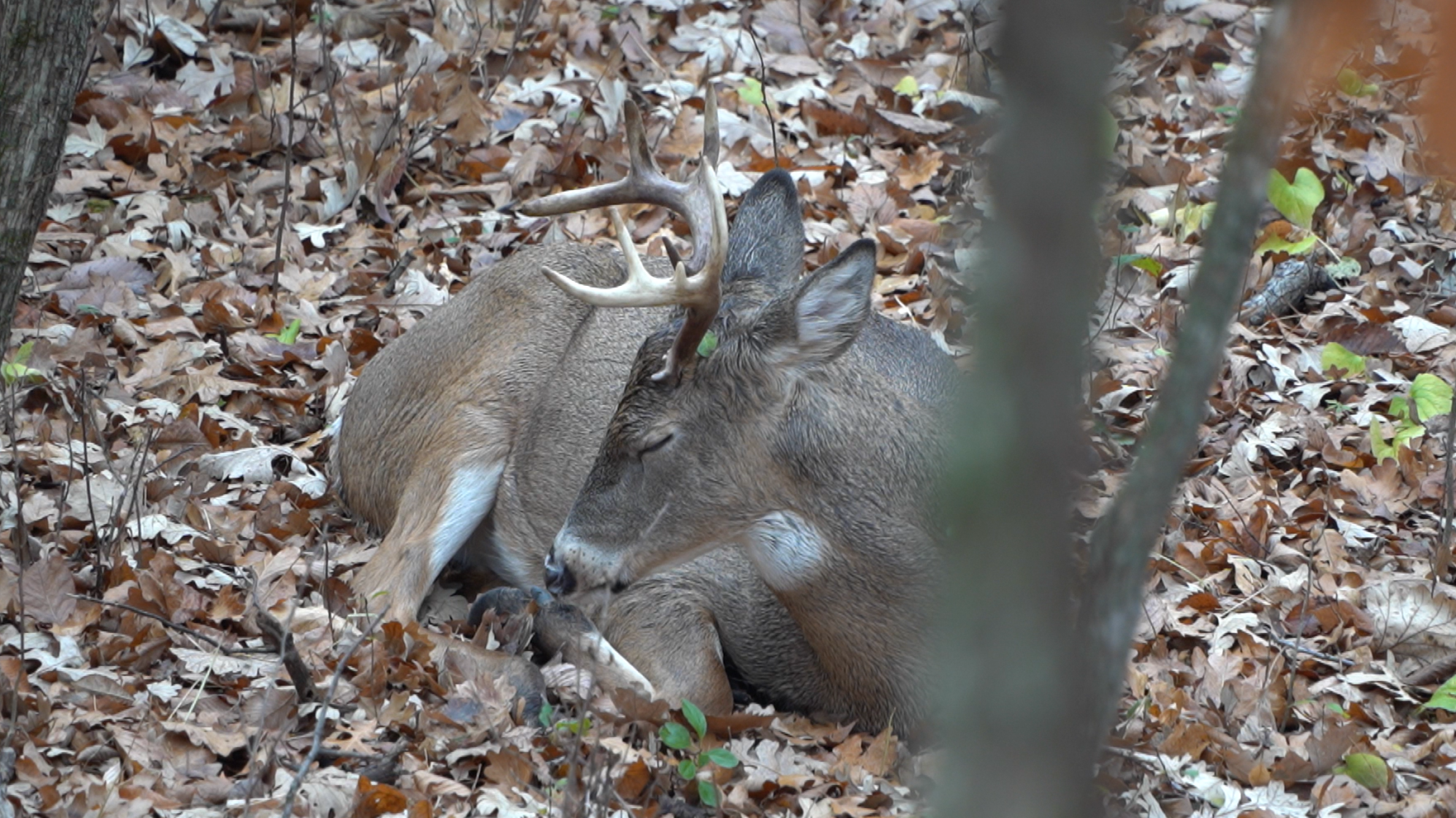
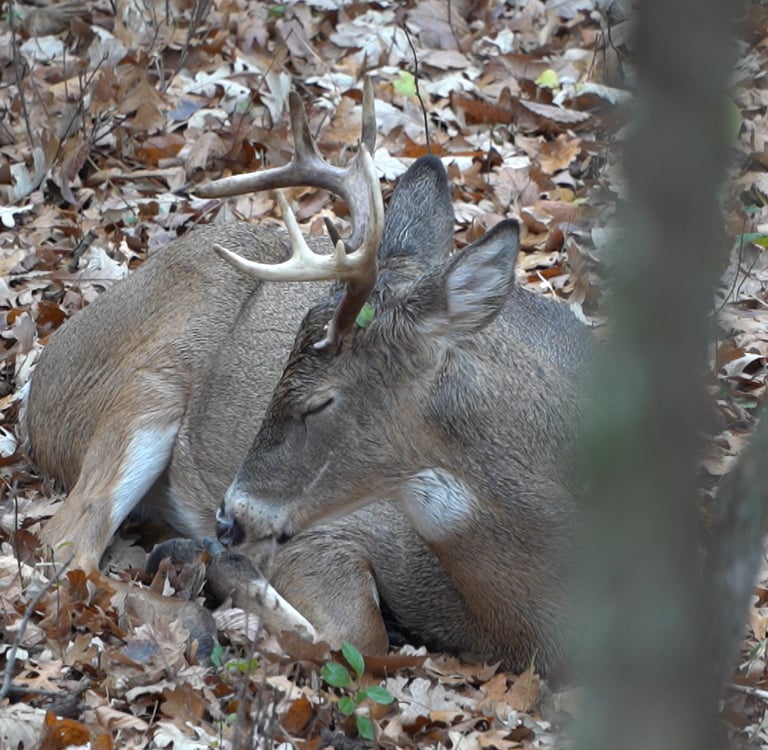
Many properties have attractive food plots and solid stand locations, but still struggle with consistent daylight deer movement. The reason is often simple: a lack of quality bedding cover. From shortly after sunrise until the final hours before evening movement, whitetails spend the majority of their day in or around their bedding areas. Without bedding cover on your property, deer may feed on your food plots, but they will spend most daylight hours somewhere else.
This becomes even more critical when the goal is consistently harvesting mature bucks. Evening food plot hunts alone rarely provide dependable opportunities if deer are traveling from distant neighboring properties where they actually feel safe bedding. To truly influence daylight movement, you must provide the cover that encourages deer to spend their day on your land. In this article, I’ll break down where bedding should be located, what deer require within a bedding area, and how you can build effective bedding cover on your property.
Where Bedding Areas Should Be Located
Before discussing how to build bedding cover, selecting the correct location is essential. Whitetails bed in relation to food, pressure, wind direction, and other deer. Because of this, bedding placement should never be random.
The concept of layered bedding, popularized by Jeff Sturgis, is extremely important when determining where improvements should take place. Instead of one large bedding area, properties benefit from multiple layers of cover positioned strategically across the property. This allows different classes of deer to bed in locations that match their social tolerance and security needs.
Equally important is ensuring the bedding area will not hurt your hunting strategy. Any bedding improvement should exist inside your all-deer-all-the-time sanctuary, where human intrusion is eliminated during the hunting season. If bedding areas are placed in locations where deer are frequently disturbed, the improvements will do more harm than good.
What Deer Need in a Bedding Area
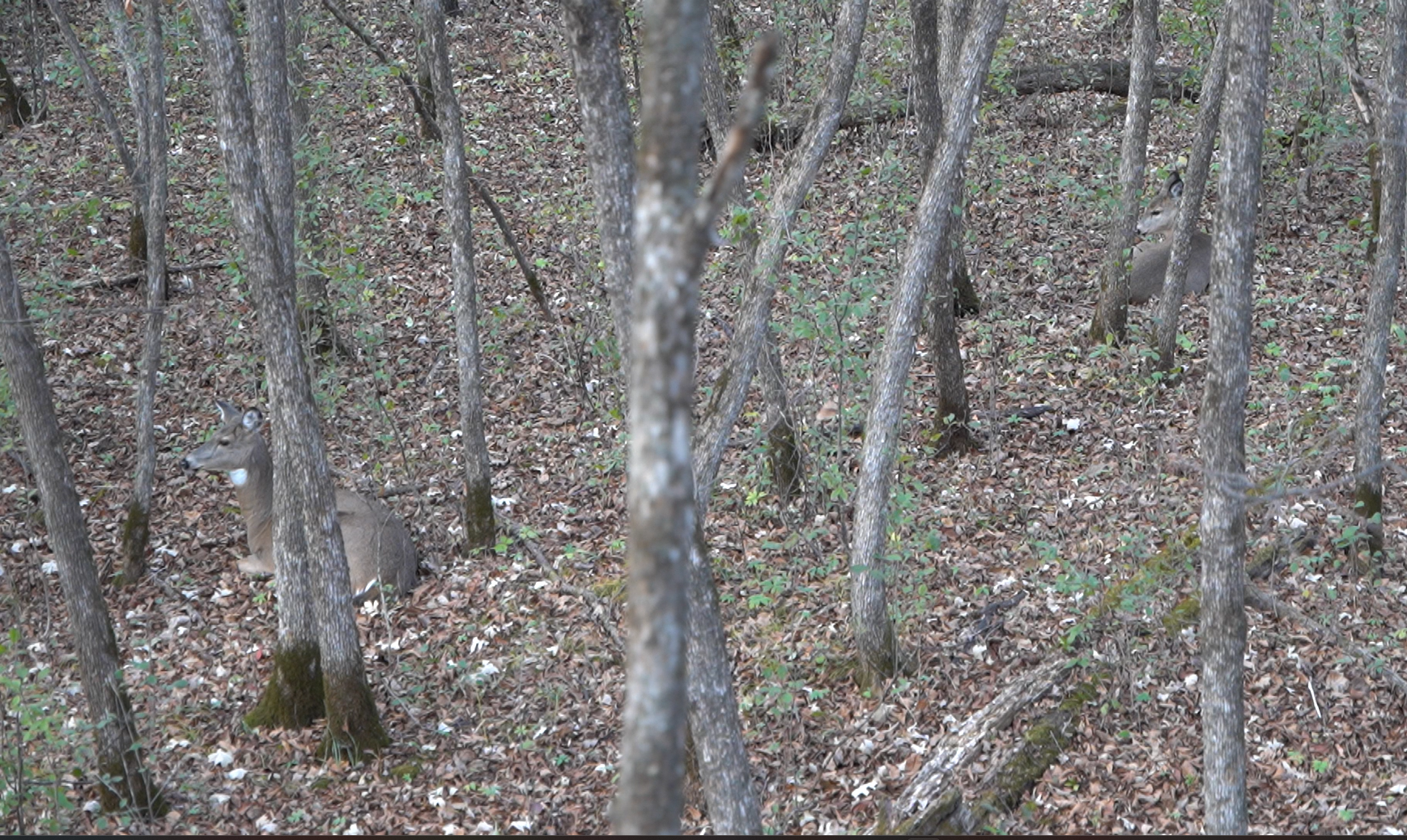
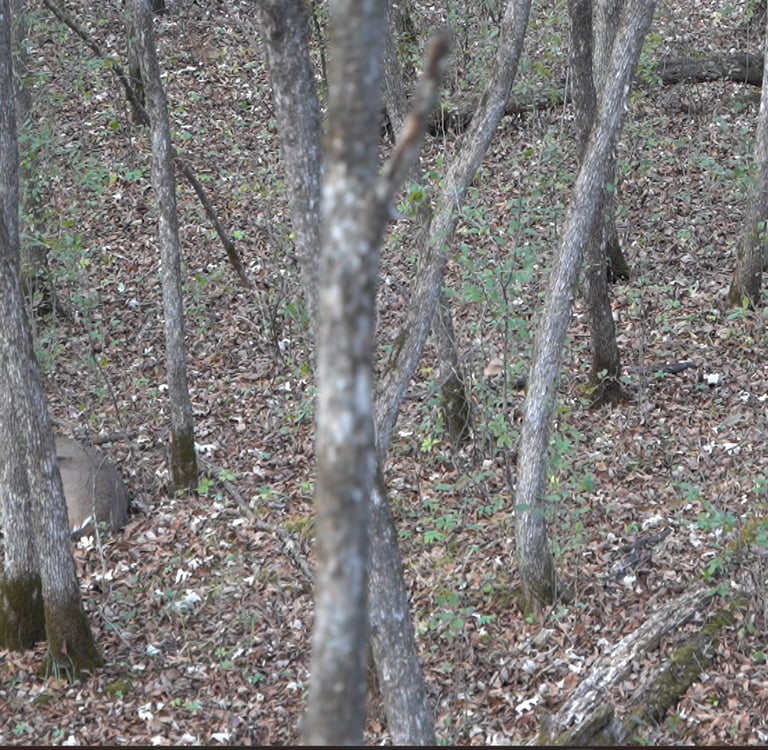
Whitetails require three primary elements to consistently bed in a location: side cover, browse, and a lack of pressure.
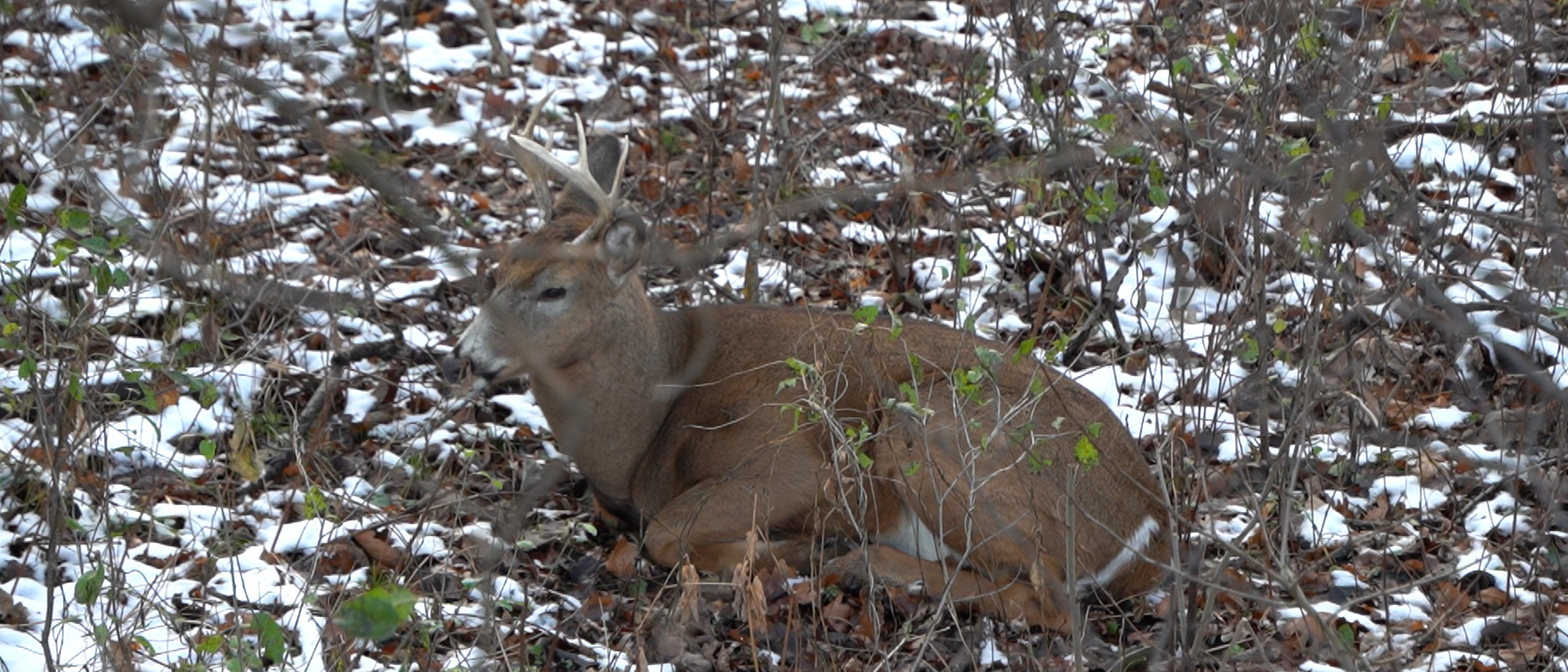
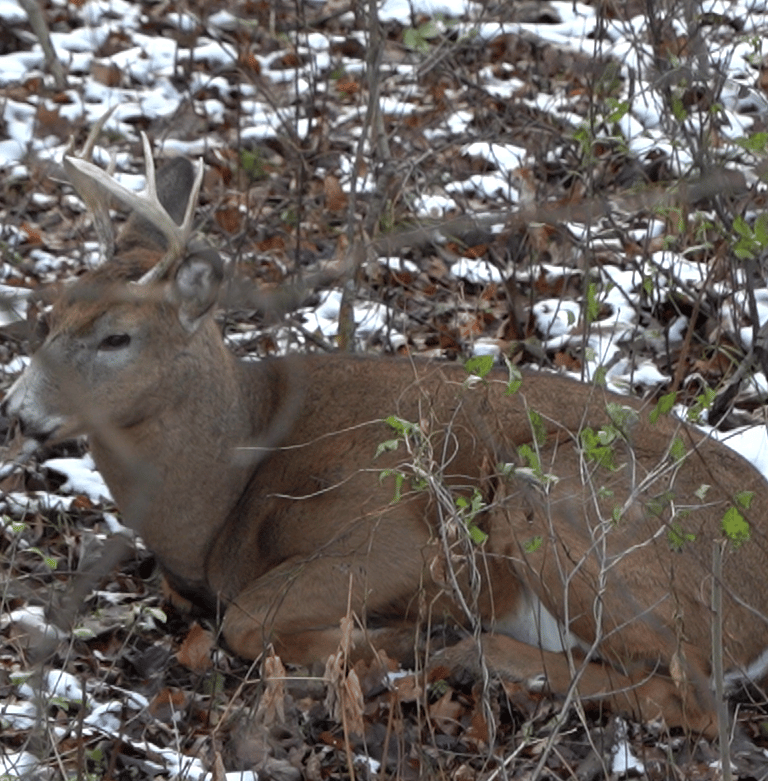
Side cover is what allows deer to feel secure. It hides them from predators, other deer, and human activity. They do not need overhead canopy to protect them from birds and planes. They are seeking thick horizontal cover that conceals them at eye level.
Browse is the second necessary component. As also noted by Jeff Sturgis, deer feed roughly five times each day, and two of those feedings occur within their bedding areas. Without browse, deer must leave their bedding areas to feed, meaning they are likely bedding there only because they have no better option. Browse can come in many forms including hardwood regeneration, shrub growth, briars, young tree tips, and seasonal food such as acorns or nuts.
The final requirement is a lack of pressure. Even the best cover and browse are insignificant if deer experience hunter or social pressure within their bedding areas. Hunter pressure can be minimized or eliminated through strategic planning, including well-placed stand locations and access routes.
Social pressure also plays a role. Mature bucks prefer significant separation from other deer outside of the rut. If they cannot find adequate seclusion, they will often relocate entirely. Younger bucks tolerate higher social pressure, while does and fawns commonly bed in larger family groups within higher density cover.
How to Build a Bedding Area
Every property is unique, and the approach to improving bedding depends heavily on existing timber conditions and available tree species. The following methods serve as general guidance rather than exact procedures.
Open Hardwoods
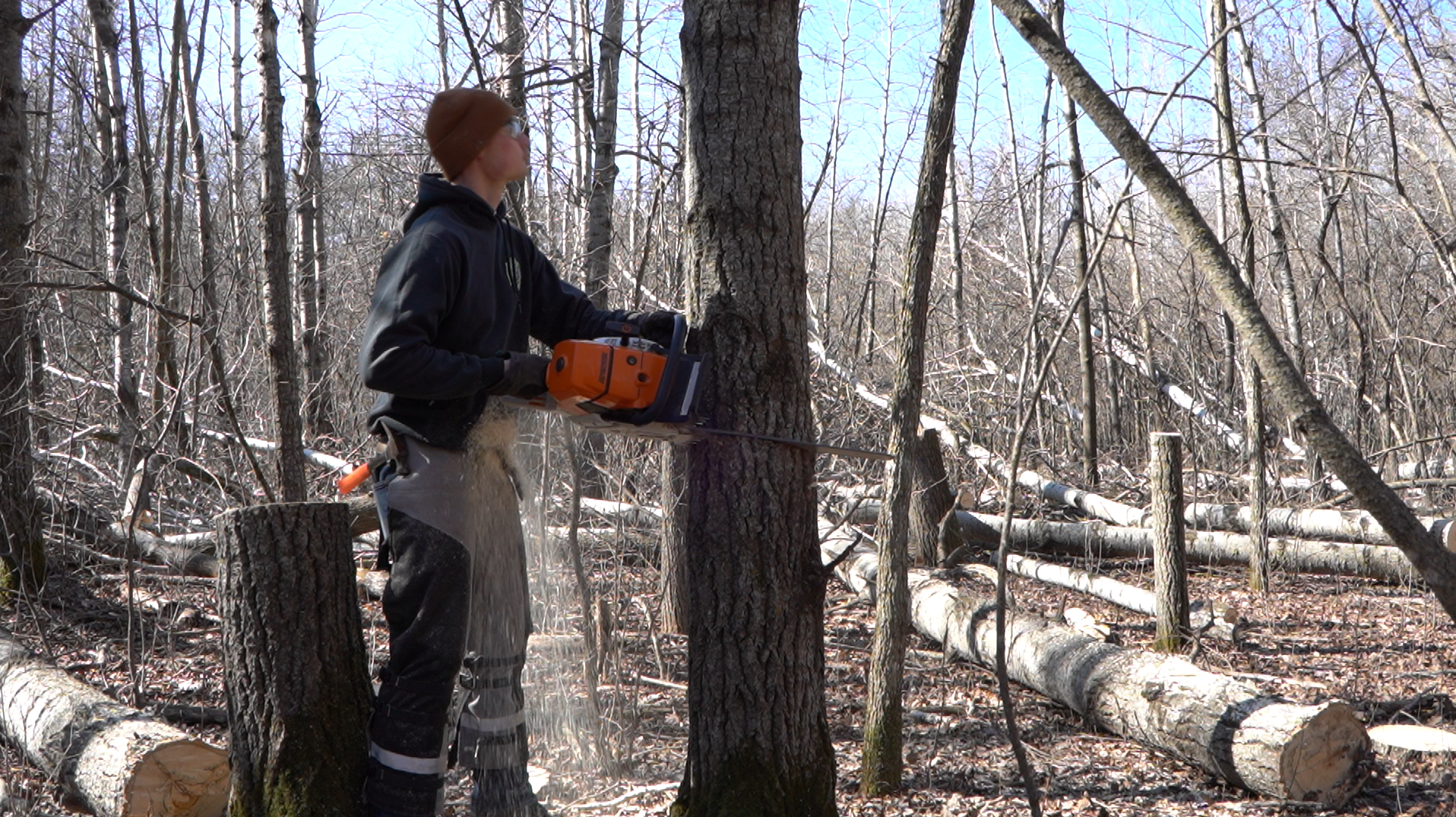
Many properties contain large areas of mature hardwoods with tall canopy trees and very little understory growth. While valuable from a timber standpoint, these areas often provide almost zero bedding value for deer. In these situations, the most important step is removing enough canopy to allow sunlight to reach the forest floor. Sunlight drives regeneration and cover.
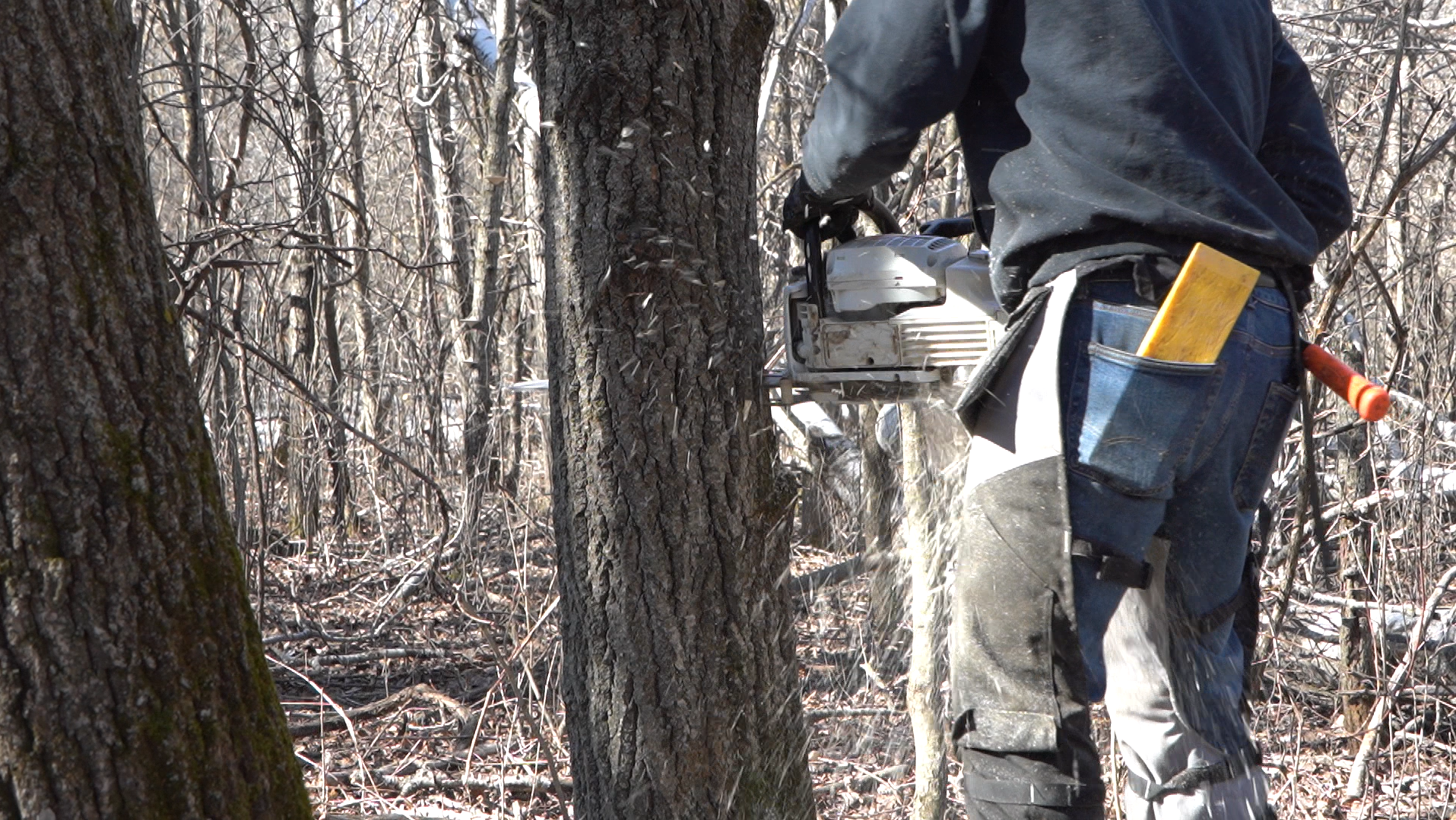
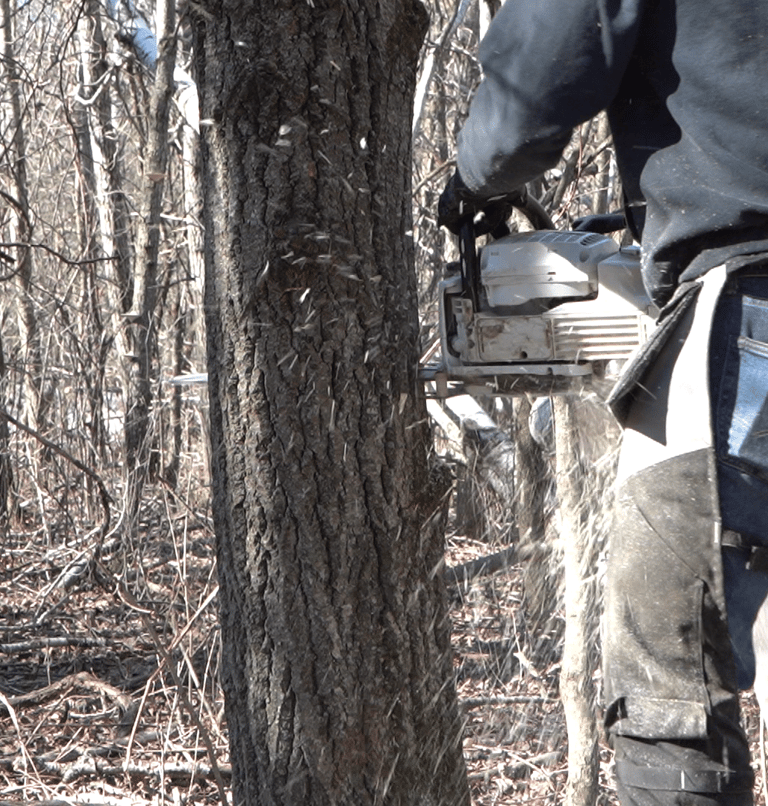
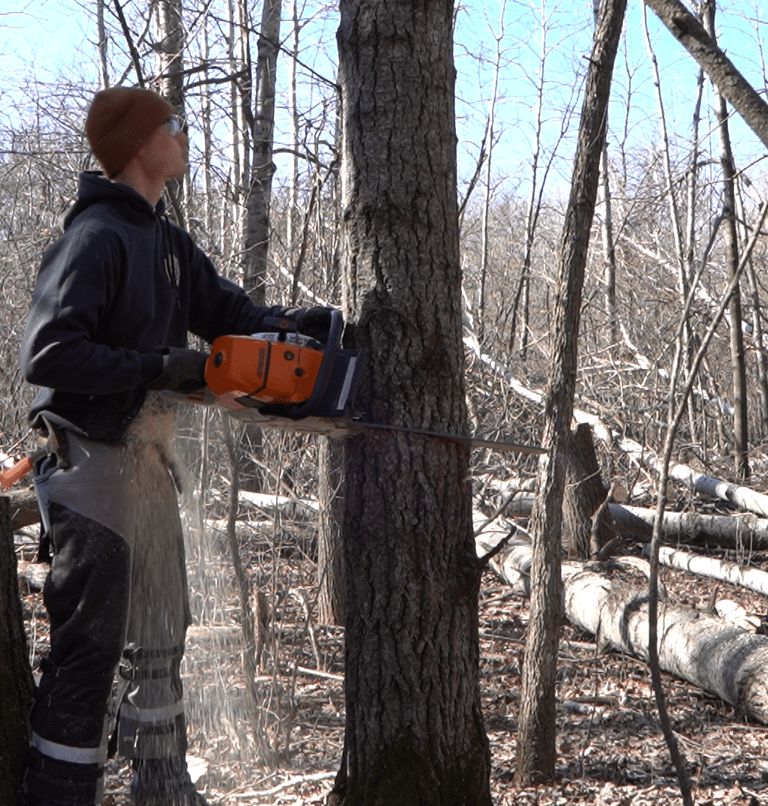
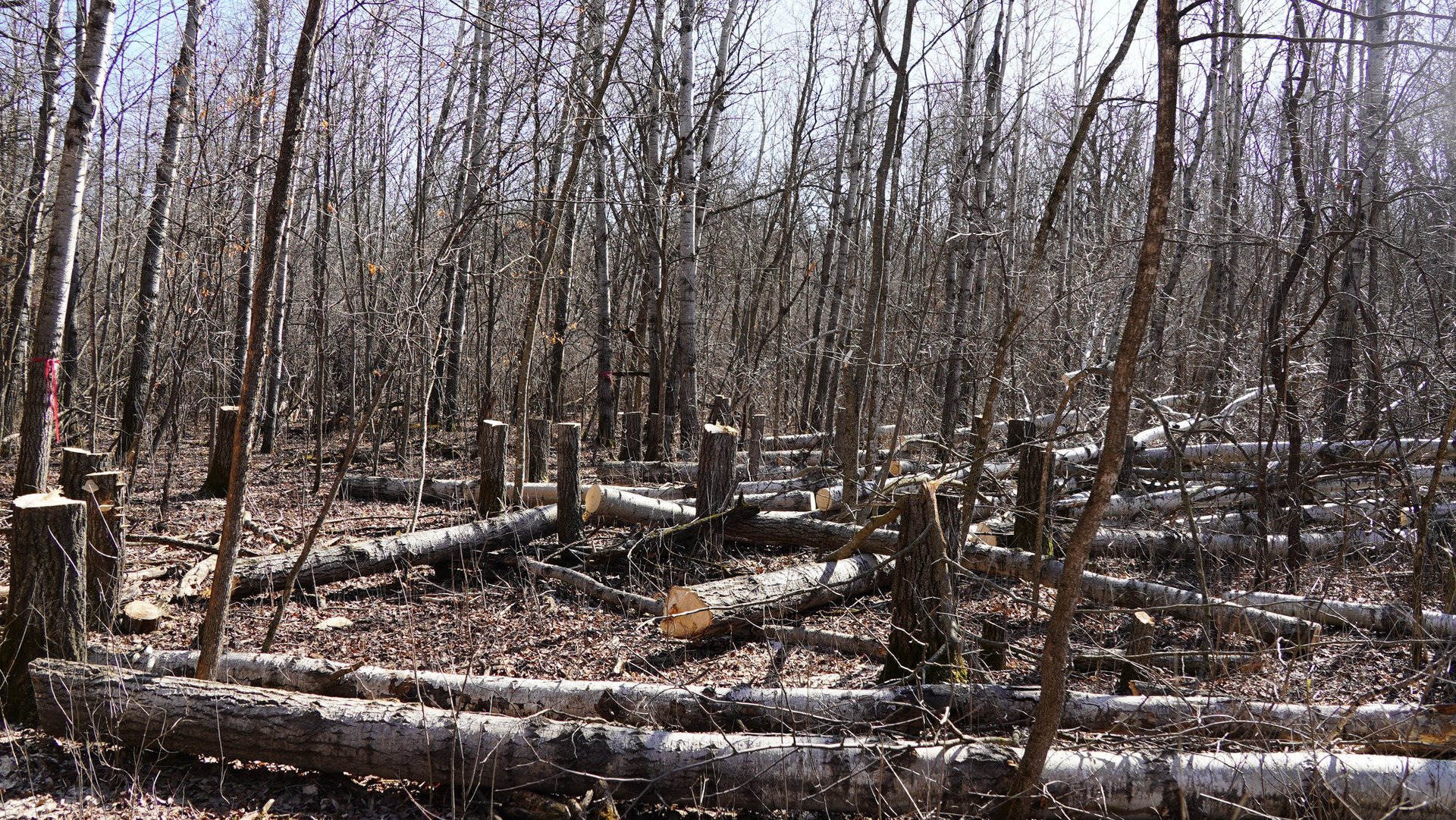
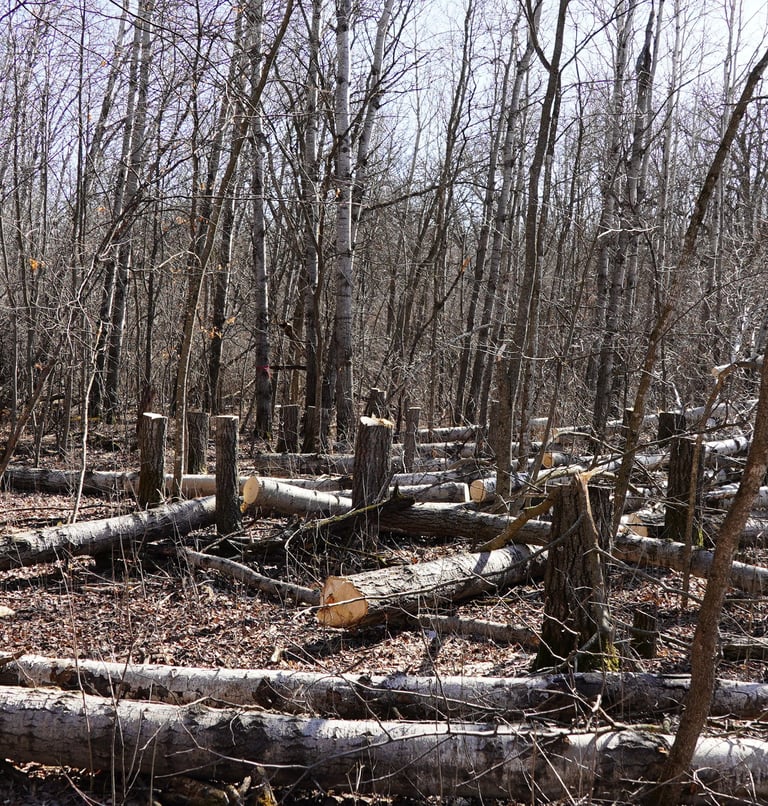
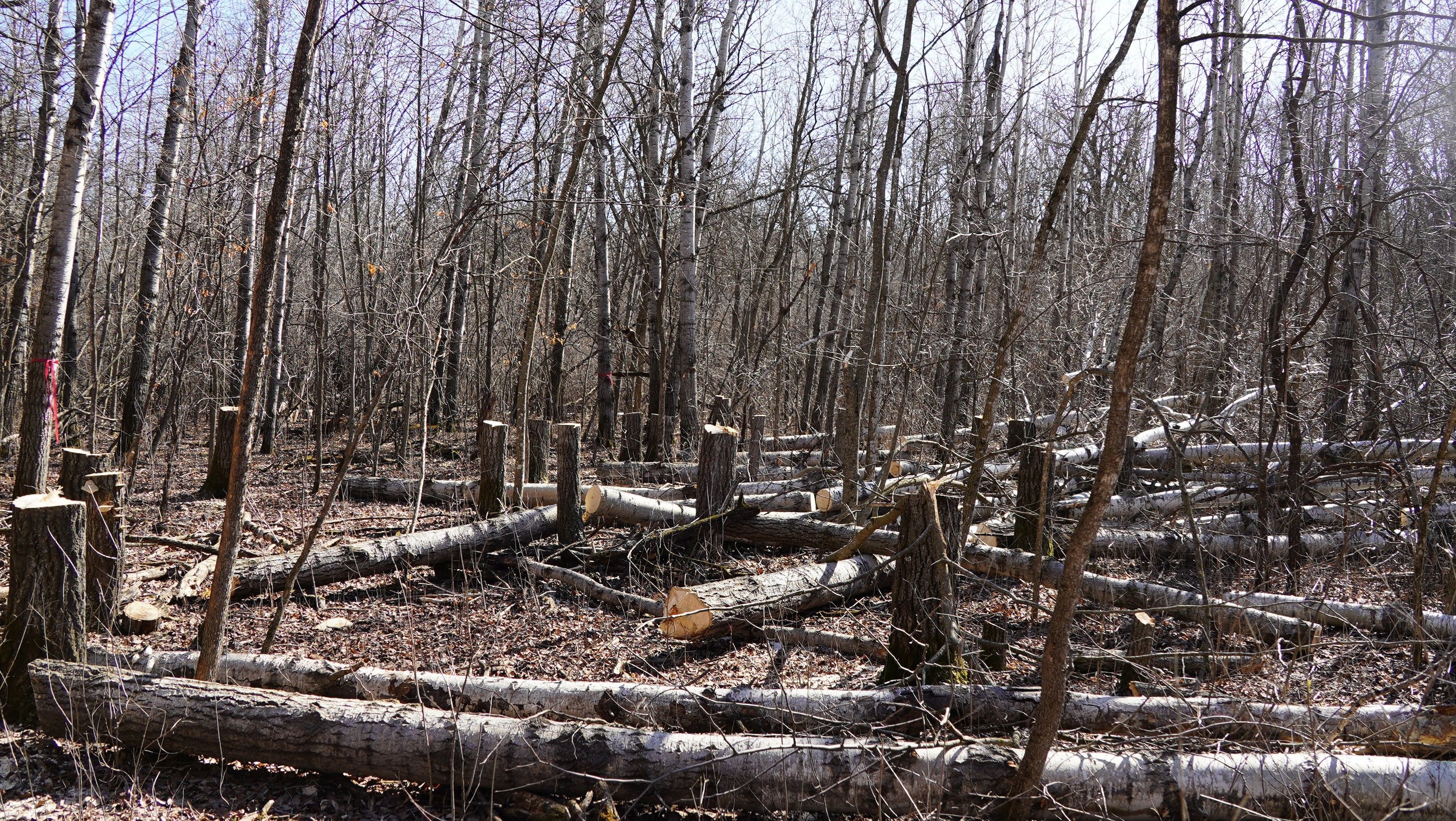
Cutting mature trees accomplishes two things immediately. First, it allows sunlight to stimulate new growth. Second, the fallen tops and trunks instantly create structure on the ground, turning an open forest into an area with visual barriers and security cover.
Once sunlight is introduced, smaller diameter trees (4-8”) of desirable species (ash, maple, boxelder, basswood, oak & hickory) can be hinge cut to add both browse and side cover. In extreme open hardwood situations, even less preferred species may still be useful simply for creating structure and cover.
Planting conifers within the tops of fallen trees can also be beneficial. The dead tops act as a natural cage protecting young trees while still allowing sunlight to reach them. Species such as white spruce, white pine, and red cedar add long-term diversity and year-round thermal cover.
Aspen Bedding Pockets
Aspen, often called popple, is one of the most effective trees for creating bedding cover. It regenerates aggressively through an extensive lateral root system that can produce thousands of shoots per acre. These young shoots provide both excellent browse and dense side cover.
To stimulate regeneration, mature aspen trees must be complete cut within the selected area. Once sunlight reaches the forest floor, new shoots quickly establish thick bedding habitat.
After the canopy removal, similar principles still apply. Maintain escape routes through the bedding area, hinge cut specific species (NOT aspen) if beneficial, and consider adding conifers if desired. However, in many aspen cuts, the natural regeneration becomes so thick that additional conifer planting is unnecessary.
Bedding in Pole Timber
In some situations bedding improvements are needed within stands of pole-sized timber. These stands commonly consist of species such as maple and often lack side cover.
In these cases, hinge cutting smaller trees can quickly introduce browse and side cover. As with all bedding improvements, ensuring sunlight reaches the ground and allowing deer to move naturally through the cover without severe restriction is important.
Mixed Timber Stands
Areas containing a mix of mature trees, smaller timber, and various species are often the easiest to improve. Begin by removing select canopy trees to allow sunlight to reach the forest floor. From there, hinge cut desirable species to create structure and browse while maintaining travel openings through the bedding area.
Working with Thick Cover
In some areas, dense thickets of species such as buckthorn, autumn olive, or willow may already exist. While thick, these areas can sometimes be too dense for deer to comfortably bed within.
Opening small pockets roughly the size of a small living room can dramatically improve usability. Creating subtle travel lanes within the thicket can also encourage deer movement in predictable directions. Although labor-intensive, properly improving thick cover can create excellent bedding habitat.
Tree Species Considerations
From a habitat perspective, what foresters consider “junk timber” is actually extremely valuable. Species such as boxelder, aspen, basswood, and soft maple regenerate aggressively and produce highly preferred browse.
Higher value timber species, while economically valuable, generally produce less browse and regenerate more slowly. That does not mean they should always be removed. Oaks and ash, for example, can provide valuable wildlife benefits. Balancing regeneration, browse production, and long-term habitat diversity is always the goal.
General Guidance for Bedding Cuts
Timing plays an important role when creating bedding cover. Canopy removal cuts can typically take place anytime after the hunting season ends until just before spring leaf-out. Cutting shortly after the season provides an additional winter food source as deer browse buds from downed trees. Working in late winter is preferred when snow levels are low and visibility through the canopy is clear.
Hinge cutting, however, requires a more specific window. Trees should be hinge cut when sap is flowing, typically around the time maple trees are tapped for sap. Attempting to hinge cut during extremely cold conditions often causes the inner fibers to shatter, resulting in dead trees instead of living cover.
Conclusion
Building effective bedding areas is one of the most powerful improvements a land manager can make. Food sources attract deer, but secure bedding cover is what holds them on your property during daylight hours.
By selecting the correct location, providing side cover and browse, minimizing pressure, and allowing sunlight to drive regeneration, you can create bedding areas that consistently hold deer throughout the day. Over time, these improvements can dramatically increase daylight movement and provide far more predictable hunting opportunities.
If you want dependable results each fall, strong bedding cover is not optional—it’s essential. Evaluate your property, identify where improvements are needed, and start building the cover that encourages deer to live on your property for this fall and years to come.
Copyright© 2026 WHITETAIL SYSTEMS AND SERVICES, LLC