
POST RUT HUNTING STRATEGIES
Owen Brick
11/15/20254 min read
Overall deer movement slows as the rut winds down, but the post rut still offers exceptional opportunity, especially for hunters who understand how mature bucks behave when the majority of breeding is over. In fact, this is the period when some of the oldest, wisest bucks fall, as they continue searching for the last remaining receptive does. Use this guide to direct your approach, hunt smarter, and set yourself up for consistent post-rut success year after year.
Post Rut & Timing
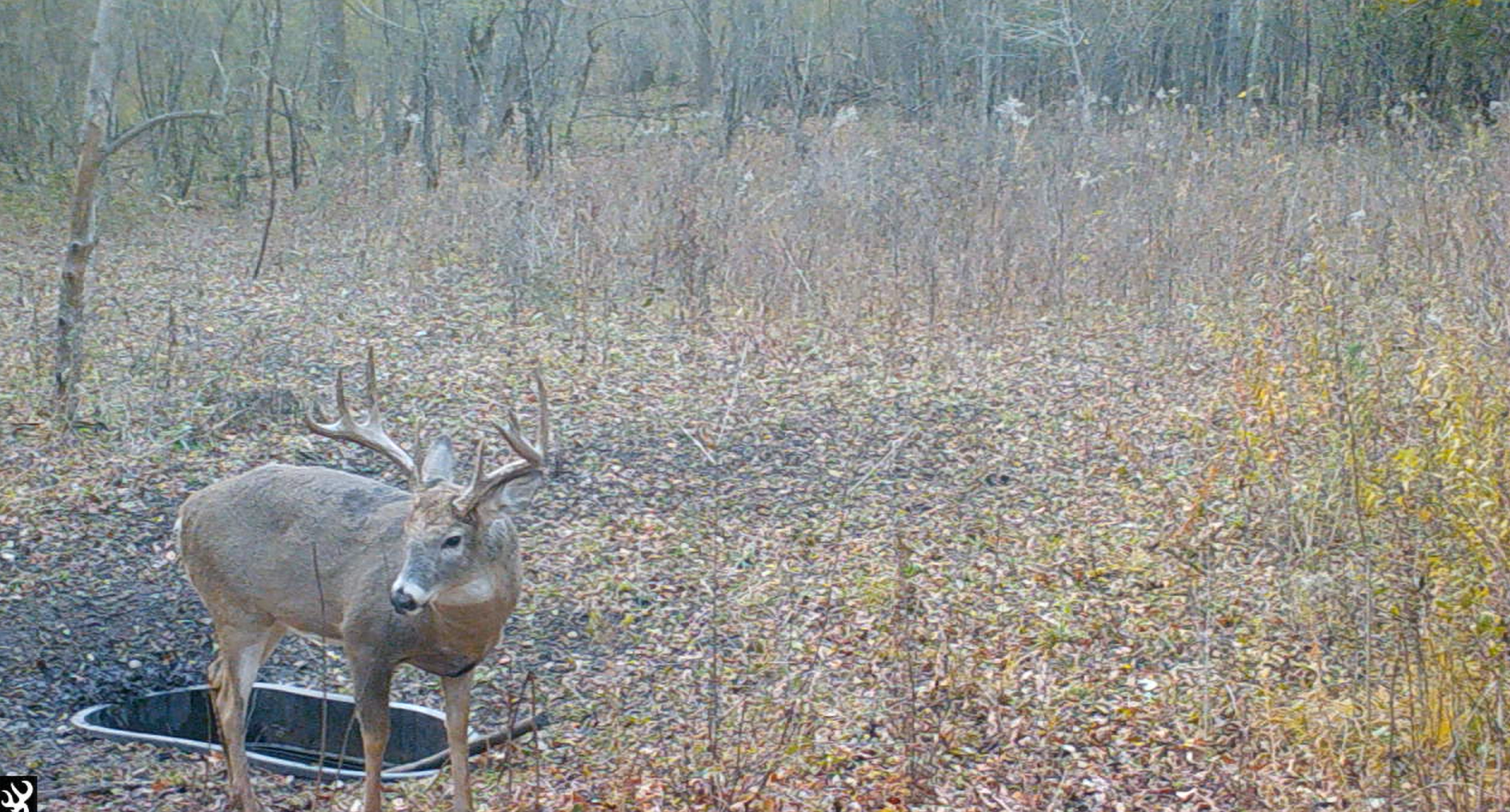
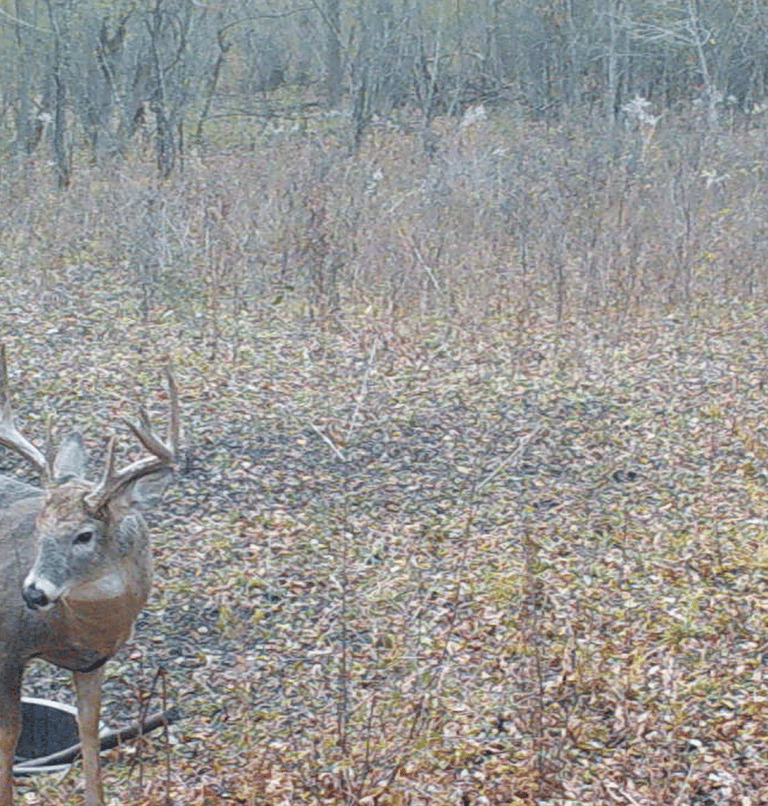
The post rut begins after the peak rut when most does have been bred and bucks are physically worn down. By this phase in the rut cycle, mature bucks have been rutting intensively for 3.5-4 weeks, often losing up to 25% of their body weight. Recovery is essential for survival. As winter approaches, especially in northern regions where winter severity can be extreme, bucks must rebuild lost energy reserves.
The timing of the post rut varies across the country. In the Upper Midwest, hunters can expect it to occur roughly between November 12th and November 18th. Central regions typically experience this window about ten days later, while areas farther south see even later timing. In the most southern states, where rutting activity is sporadic and less consistent, defining a clear post-rut window becomes difficult. Their rut can stretch across multiple months.
Evening Food Source Priority
During the post rut, evening food-source hunts are the top priority. Nutritional recovery drives deer movement, and quality, unpressured food becomes a magnet for both bucks and does. Unfortunately, many hunters have already over-hunted their food plots or destination fields by this time, burning out the best locations before they truly peak in value. When you can provide or locate a food source that has remained unpressured, you create the most valuable resources in the entire neighborhood.
Does congregating at these food sources can bring in old cruisers continuing to search. Unpressured plots support incredible daylight activity, especially when the surrounding properties have been disrupted by heavy gun-season pressure. When possible, these food sources should be hunted from a distance with low-impact access to avoid pushing deer away from the very resource you want them to rely on.
Random Rut Activity: The Last Flurry
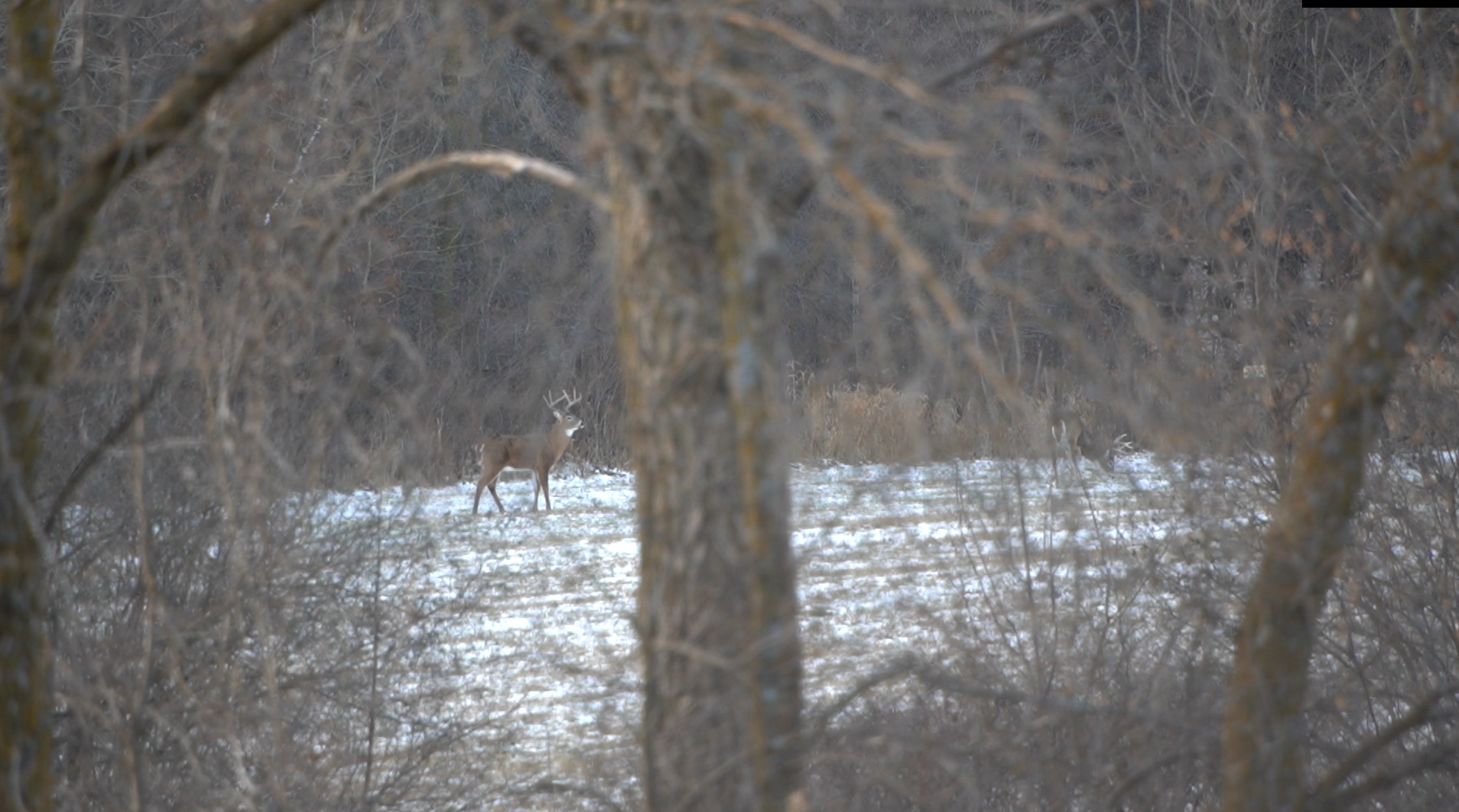
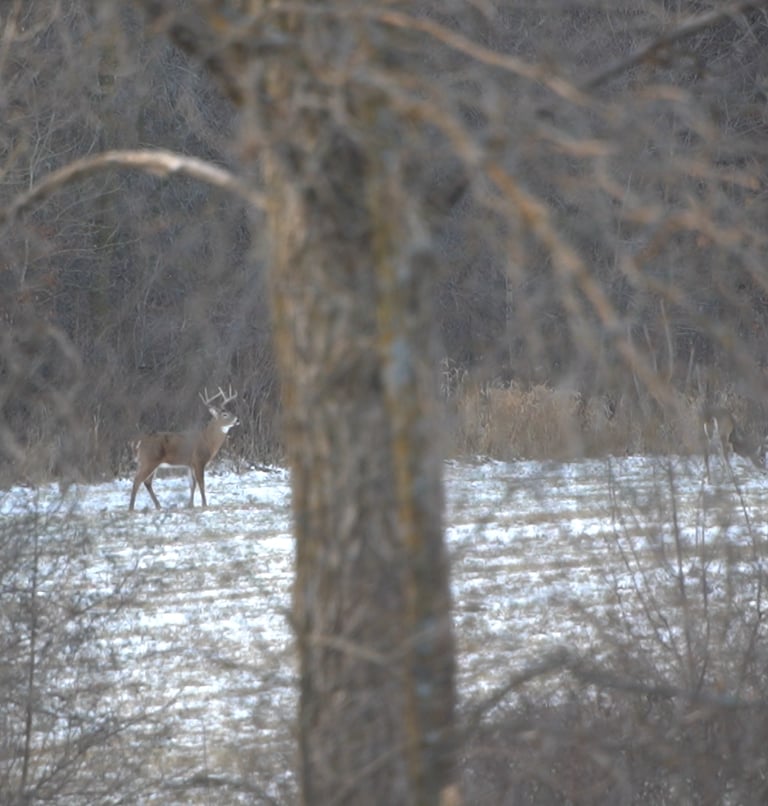
While the intensity of the rut declines, mature bucks continue to cruise in search of remaining receptive does. This final window creates unpredictable yet sometimes exceptional opportunities. Many older bucks travel well outside their traditional core areas during the post rut, often crossing multiple property lines and traveling multiple miles. However, their willingness to search is heavily influenced by the weather. Hot or windy conditions dramatically reduce daylight activity at this time, as bucks simply cannot afford to burn unnecessary energy when they are already depleted. On poor-weather days, they often stay in secure bedding cover and move very little, but on cold, calm days, they may cover significant distances.
Morning Hunts
Morning sits can still produce results, but they require a cautious and selective approach. Poorly hunting mornings during the post rut can lead to lasting effects throughout the rest of the season. Save your morning hunts for the best weather days - cold fronts and only when you have a clean, silent access route that avoids bumping deer. Thick, high-stem-count bedding cover with abundant woody browse is a strong focus point, as bucks often settle into these areas to conserve energy. Funnels between bedding areas can also produce encounters, though they tend to be boom-or-bust and should be hunted sparingly.
Unknown Cruisers: Why New Bucks Appear
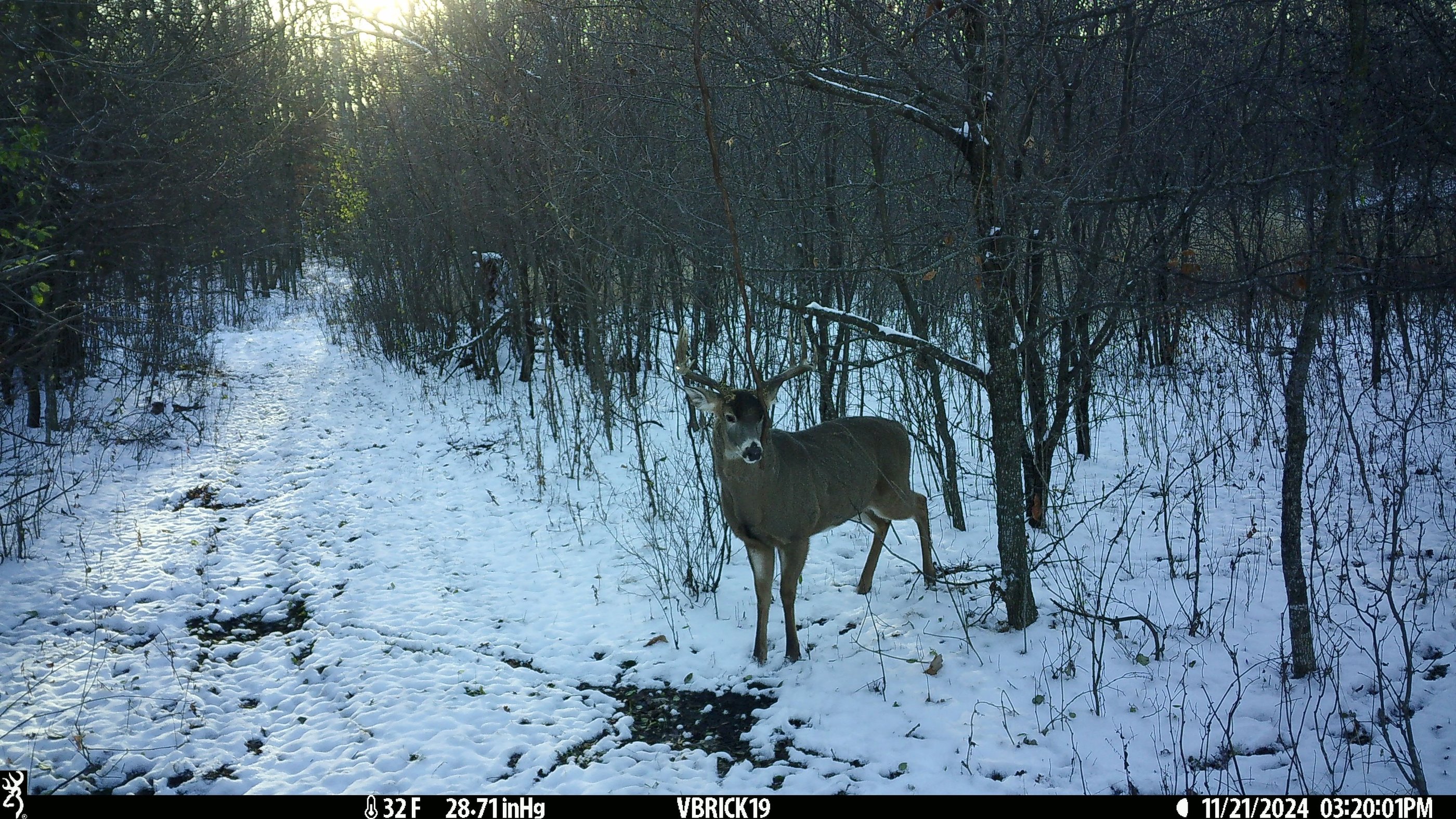
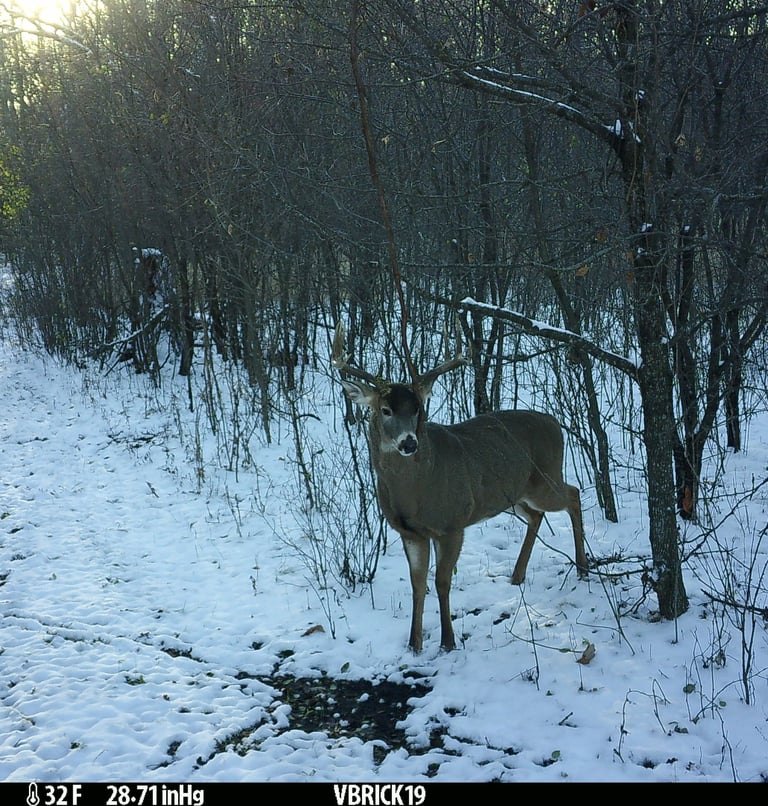
One of the most exciting aspects of the post rut is the sudden appearance of bucks you have never seen before. These are often mature deer that have already exhausted breeding opportunities within their home range and are pushing into new areas in search of the final does of the primary rut. This also happens to be the time when some of the most violent buck fights occur, as two mature deer competing for one of the last receptive does of the season are willing to fight to the death.
Another contributing factor is hunting pressure. Many hunters unintentionally overpressure their land during the peak rut, eliminating any remaining sanctuary cover. When this happens, deer of all ages begin relocating to areas that offer better security, sometimes showing up miles from their original range. A clear example is Minnesota’s firearm season, which places tremendous pressure on the herd and often suppresses daylight movement for both bucks and does. In regions where gun seasons begin during the post rut rather than the peak, opportunities can still be excellent, just far more weather-dependent and unpredictable.
Conclusion
The post rut is a period of transition. Movement slows, priorities shift, and pressure influences every decision deer make. Yet for hunters who understand these changes, the window remains wide open. Focus your efforts on unpressured evening food sources, choose your morning hunts wisely, and pay close attention to weather conditions. Expect unpredictability, especially from long-ranging mature bucks exploring new territory. With patience, discipline, and strategic timing, the post rut can become one of the most rewarding phases of your entire deer season for this fall and for years to come.
Copyright© 2026 WHITETAIL SYSTEMS AND SERVICES, LLC