
SECOND RUT HUNTING STRATEGIES
Owen Brick
11/20/20254 min read
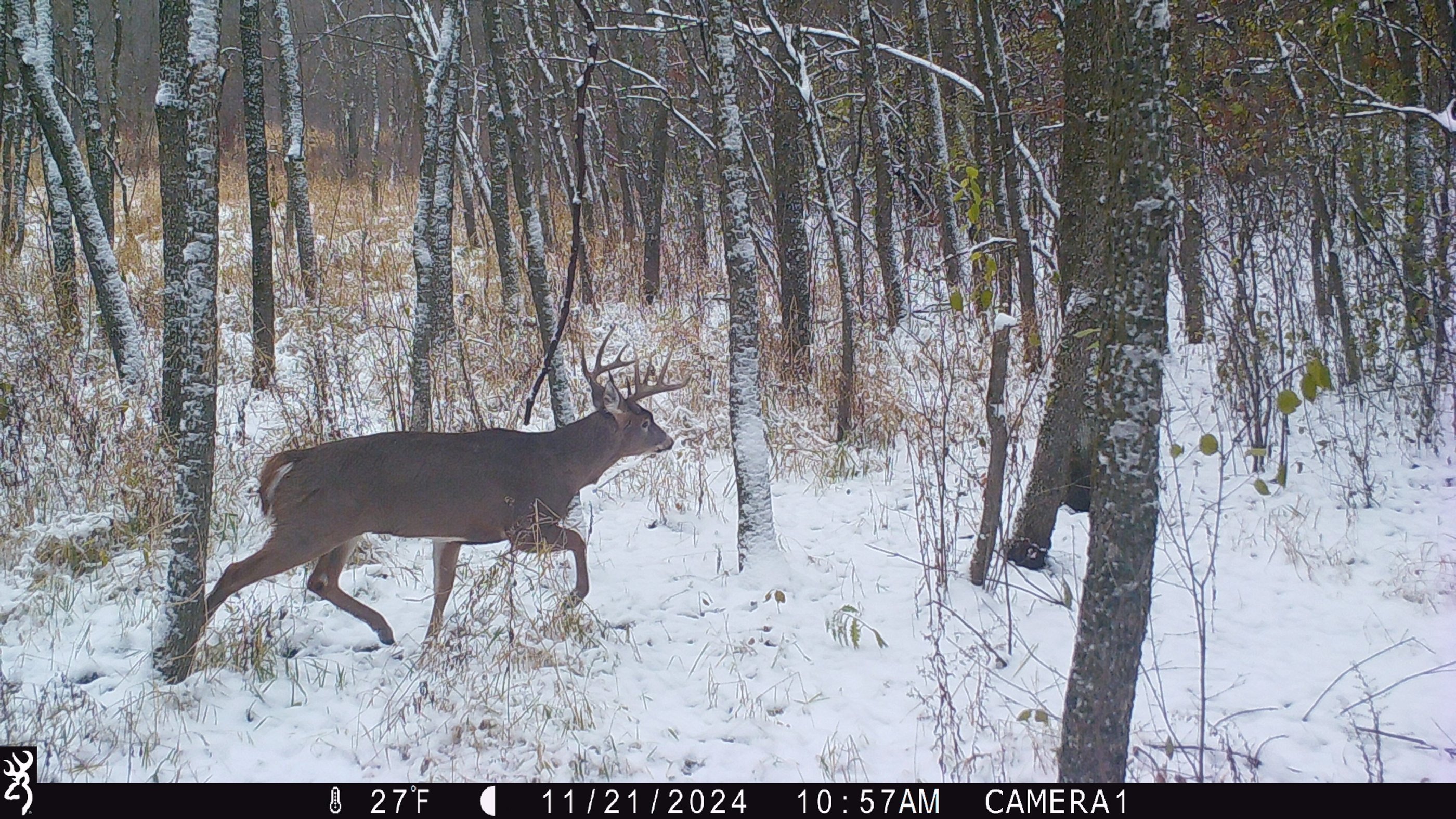
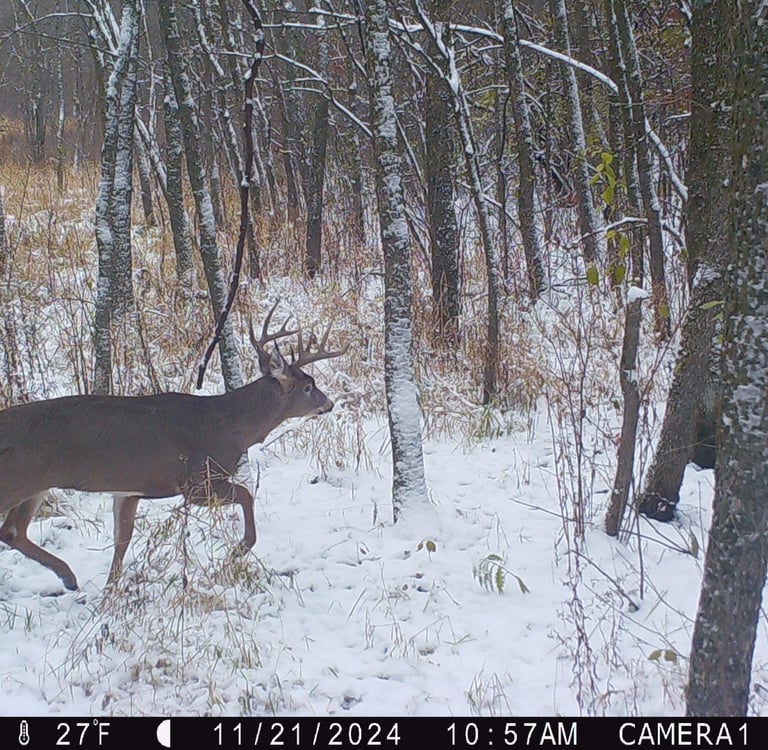
The second rut is one of the most missed opportunities in the whitetail world, yet it consistently produces dependable activity and mature buck encounters. Many hunters never take full advantage of this phase, or in some cases, don’t even realize it exists. But those who understand how and why the second rut occurs unlock an opportunity filled with daylight movement, rutting behavior, and predictable patterns. Hunting this phase with a strategic approach can lead to success for this fall and years to come.
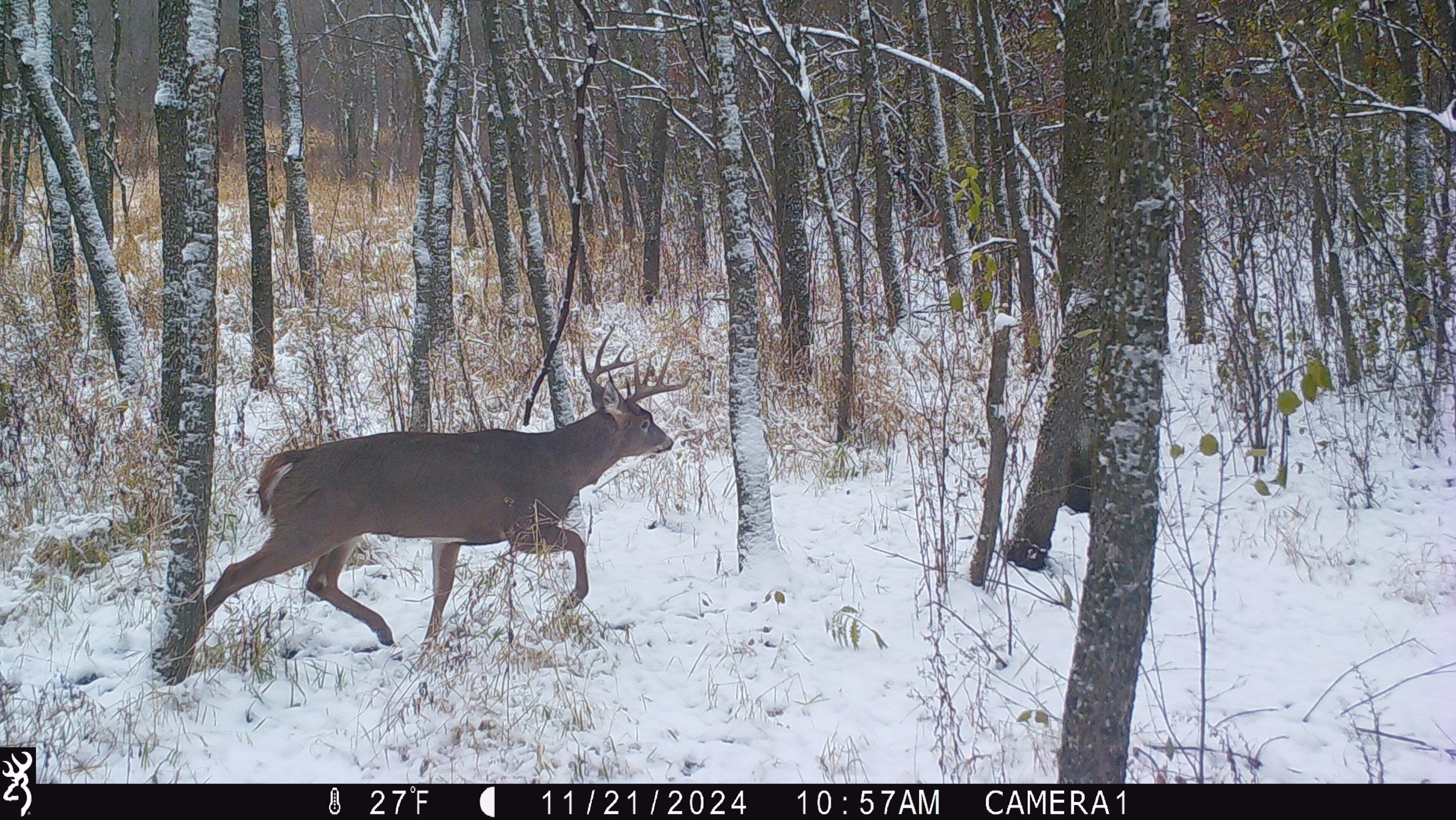
The Cause of the Second Rut
The second rut is the second wave of estrous activity following the primary rut. While the primary rut brings nearly all adult does into heat at roughly the same time, bucks cannot breed every doe during that short period. Some does are missed and cycle back into estrus roughly 25-30 days later. At the same time, doe fawns reach sexual maturity and come into heat for the first time, adding yet another group of receptive females to create even more opportunity.
This combination of missed does and newly receptive fawns is what drives the entire second rut. In years where primary rut weather was unfavorable, or in northern regions where breeding windows are more tightly regulated by winter severity, the intensity of the second rut often increases.
Stronger Movement in the North
The second rut is greater in northern and Upper Midwest regions because breeding windows are tightly defined by winter severity. Fawns must be born within a narrow window to survive. Too early and they die in the snow; too late and they enter winter undersized and vulnerable. As a result, northern does are more synchronized, and a higher number that are missed during the primary rut will reliably come back in heat during the second rut.
This produces a short but highly focused second-rut window, typically lasting only a week to ten days. In the general Midwest and central regions, where winter severity is less of a risk, the second rut tends to extend a bit longer, and the timing shifts later into December.
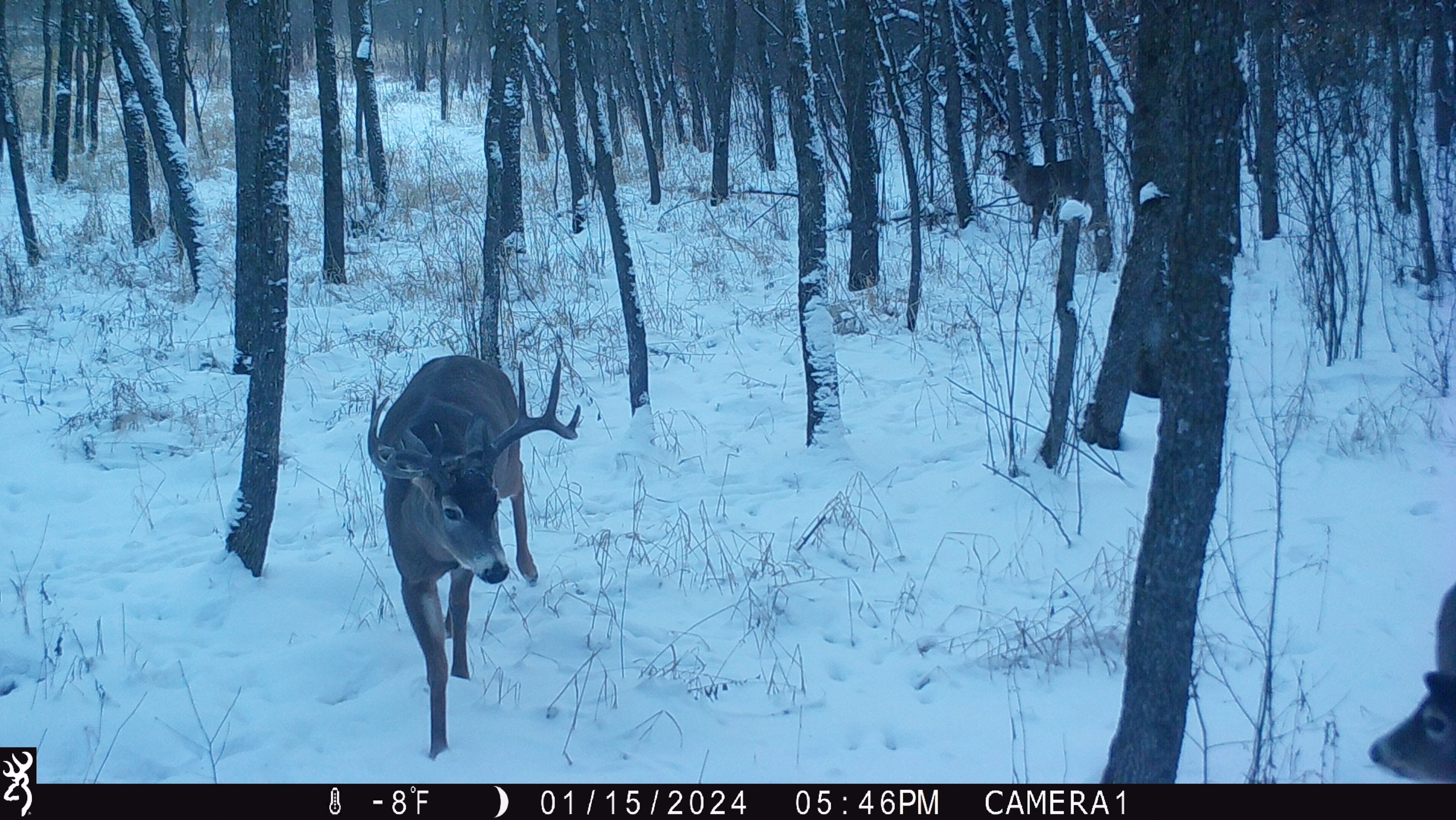
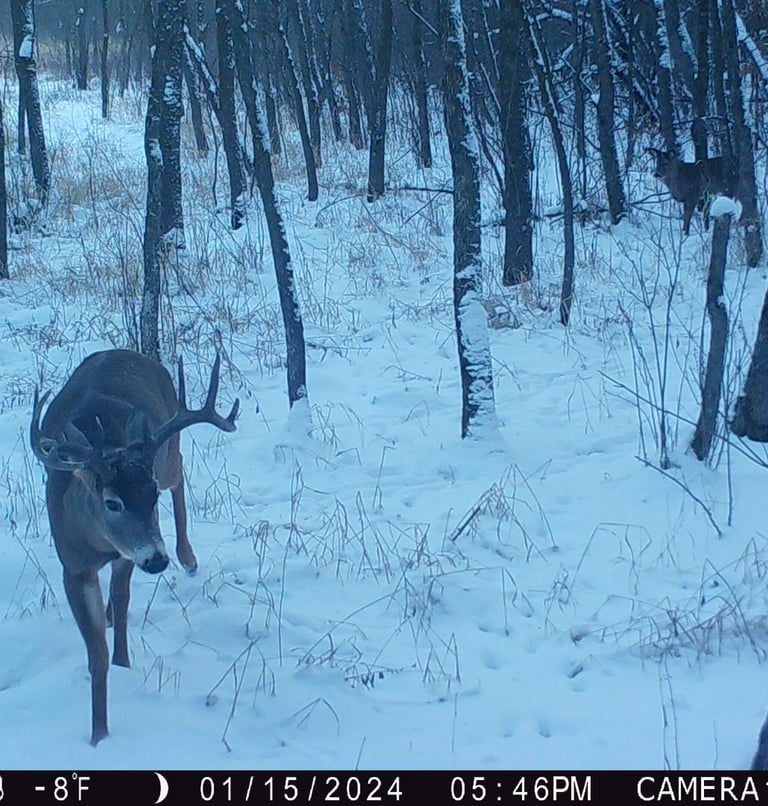
Second Rut Timing
Predicting the second rut is straightforward: fast forward 25-30 days from your primary peak rut. For the Upper Midwest and slightly northern regions, this places the second rut from late November into early December. In central portions of the country, the window commonly falls closer to mid-December, often landing near the 10th or later, depending on your location and local primary rut timing.
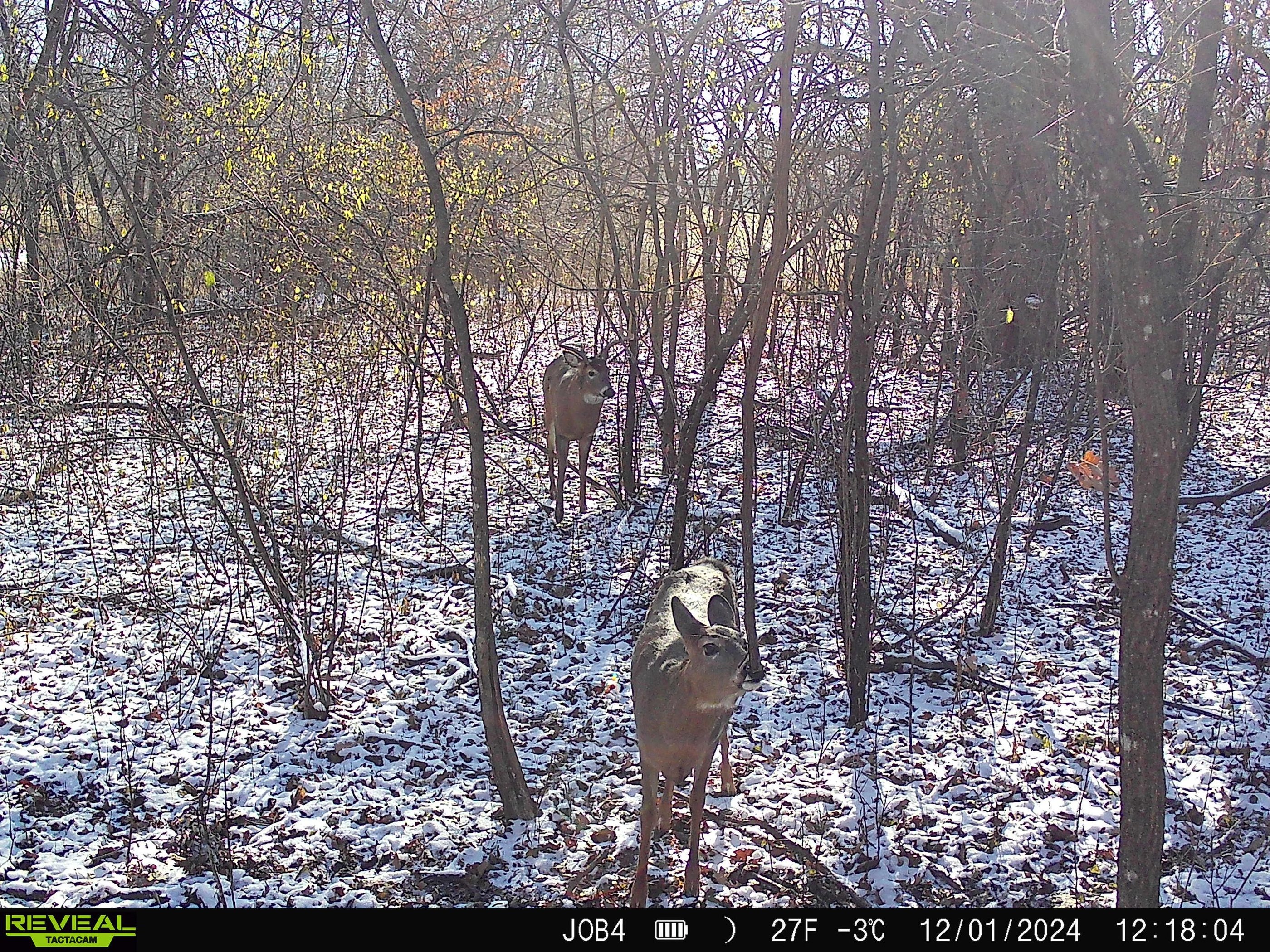
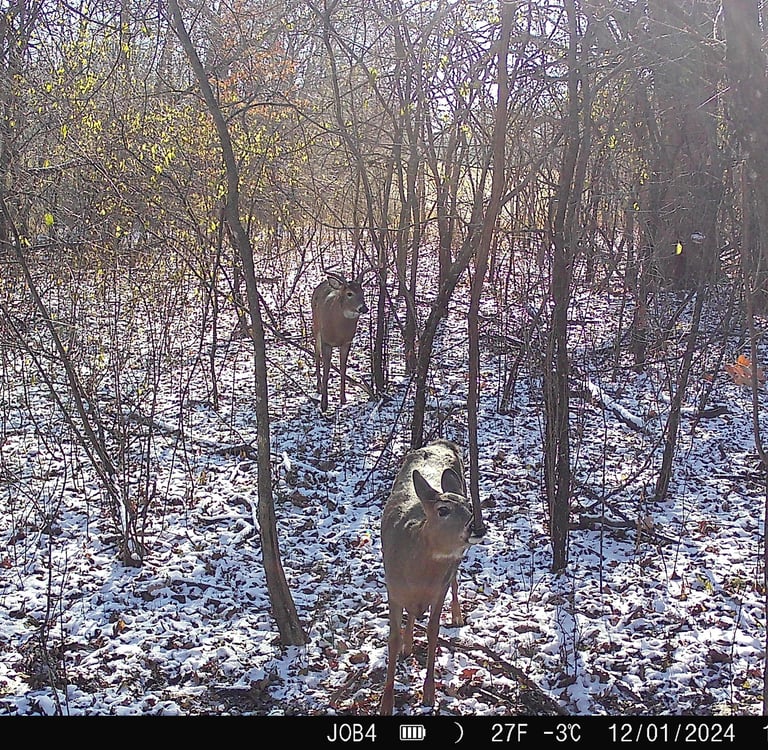
Where to Hunt
The second rut requires a different approach than the primary rut. Midday activity is limited or non-existent, so success is found through two high-quality sits: evening food and morning bedding.
Pressure is everything during this phase of the rut cycle. By the time the second rut arrives, many gun seasons are ending or wrapping up, and most properties have suffered from weeks of over-hunting. Deer respond by shifting to the few remaining areas of true security, places with low human intrusion and available food or cover.
Morning hunts, which have not been prioritized for nearly two weeks, become an option again during the second rut. Target high-stem-count bedding cover with abundant browse, making sure to avoid any area that has been over-pressured. Accessing without bumping deer and preserving the integrity of evening food movements later in the day is critical.
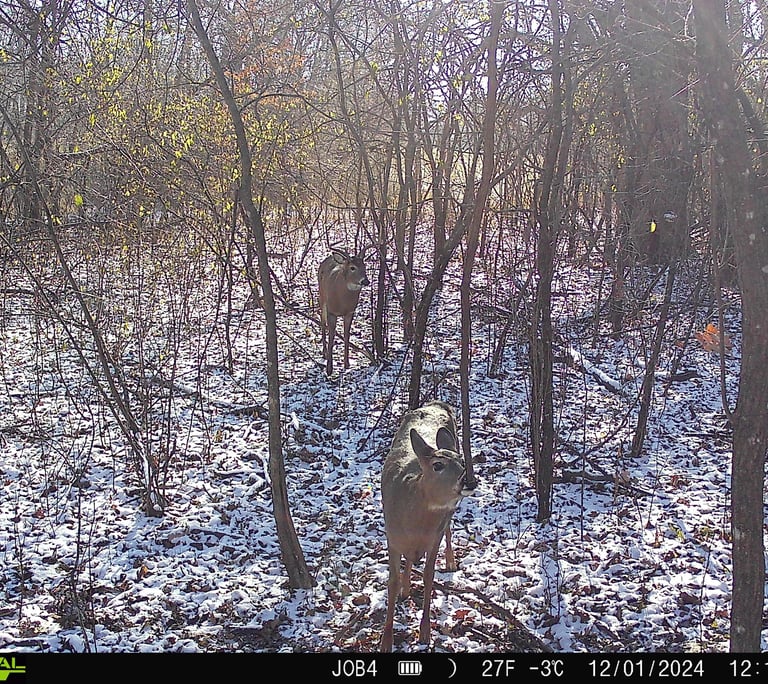
Evening hunts tend to be the most productive. Movement toward unpressured, high-quality late-season food sources is stronger than it is during the primary rut. Any safe, quiet food source becomes a magnet, drawing large numbers of does and fawns. Where the does gather this time of year, the mature bucks follow, often with renewed rut intensity. Continue to hunt like a predator: use clean access routes and hunt safely from a distance.
Conclusion
The second rut may be overlooked by many hunters, but for those who understand its timing and patterns, it’s one of the best opportunities of the entire season. With pressure peaking and the woods growing quiet, deer gravitate toward the few remaining secure areas, creating a predictable opportunity. It’s also one of my personal favorite times to be in the woods. The chaos of the primary rut has faded, gun seasons are ending, and the hunt settles into a calm, peaceful atmosphere. That quietness, paired with the potential for mature-buck movement, makes the second rut a special phase worth taking advantage of this fall and for years to come.
Copyright© 2026 WHITETAIL SYSTEMS AND SERVICES, LLC